
This post may contain affiliate links. By purchasing through my links you can help support me at no additional cost to you, thank you!
Last Updated on January 21, 2026 by Shiraz
If you’re planning a trip to Berlin, then check out this post for 12 best day trips from Berlin to add a few (or all) to your itinerary!
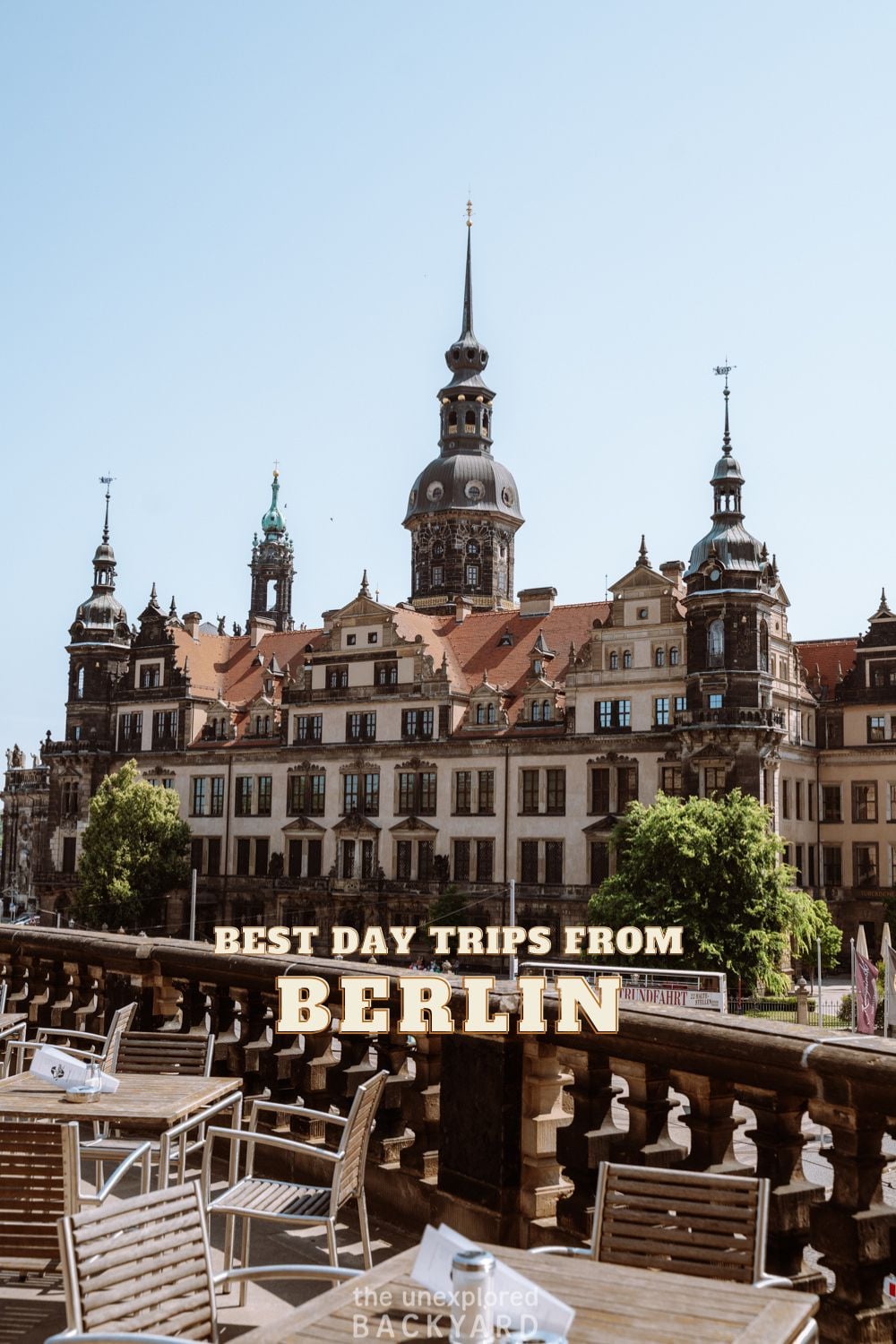
If you’re planning a visit to Germany’s vibrant capital, you’ll quickly discover that Berlin is more than just its bustling streets, iconic landmarks, and rich history. While the city itself has endless attractions, the surrounding region is brimming with hidden gems and unforgettable experiences, making day trips from Berlin an absolute must for travelers seeking variety and adventure. Whether you’re in the city for a weekend or a longer stay, venturing beyond Berlin opens the door to charming towns and stunning natural landscapes that perfectly complement the urban energy of the capital.
This guide will take you through the 12 best day trips from Berlin, covering everything from family-friendly excursions to nature day trips from Berlin and historical day trips from Berlin. Having spent around 7 months living in Berlin and countless visits since, I’ll show you the hidden gems near Berlin that most visitors overlook. In addition, for each day trip, I’ll make sure to break down the best things to do and how to visit.
From exploring medieval towns and castles to discovering the serene countryside, these one-day trips from Berlin promise unforgettable experiences just a short journey from the city. By the end of this guide, you’ll know exactly where to go, what to see, and how to make the most of every adventure. I’ll also make sure to link all of my Berlin travel guides so that this post can act as your one-stop shop for your trip!
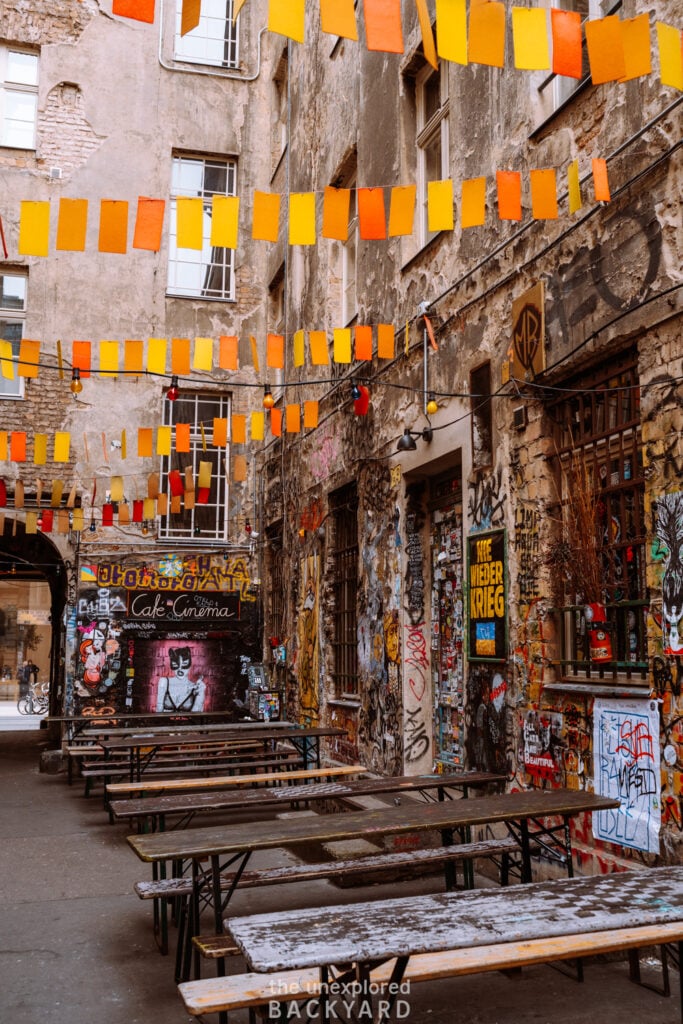
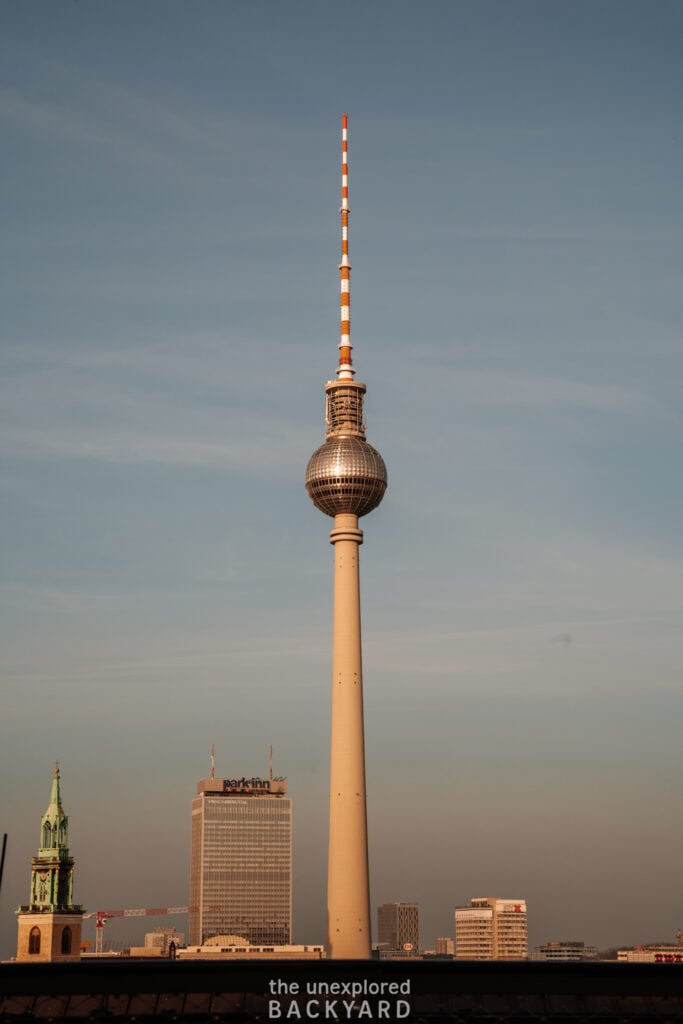
This post is all about day trips from Berlin!
FAQs about day trips from Berlin
What is the best day trip from Berlin?
While there are countless options for day trips from Berlin, I would say Potsdam is the best day trip from Berlin. This is because it’s just a short train ride away, making it super accessible. This charming city is famous for its opulent palaces, sprawling gardens, and historic streets. Highlights here include the stunning Sanssouci Palace, the colorful Dutch Quarter, and the tranquil lakes that surround the city. I have been to Potsdam over 5 times and always love visiting this beautiful city, which perfectly combines history, architecture, and nature.
What city is close to Berlin by train?
One of the closest and most convenient cities to visit by train from Berlin is Leipzig. In just over an hour, you can travel from Berlin to this lively city, known for its vibrant arts scene, rich musical heritage, and beautifully preserved architecture. Other nearby options include Dresden, Magdeburg, and Brandenburg an der Havel, all of which are perfect for easy day trips from Berlin by train.
How far is Berlin to the Polish border?
Berlin sits approximately 145 kilometers from the Polish border, making it surprisingly accessible for a cross-border day trip. With modern highways and train connections, reaching cities like Szczecin or even Poznań can be done in just a couple of hours.
Read More: One week in Berlin itinerary!

Where to stay in Berlin
Berlin is a huge city, so choosing where to stay can often be overwhelming, especially since each district is quite unique. However, for easy access to trains, I recommend staying either in Mitte, Prenzlauer Berg, or Charlottenburg. Not only are these some of the districts with the most attractions, but they are conveniently located near the Hauptbahnhof (central station) or other large train stations. Below is a quick guide for each of these neighborhoods and some hotel options to help you plan your trip!
Mitte
- Vibe: Central, Historic, Trendy
- Best for: First-time visitors, culture enthusiasts, luxury travelers
- Description: As the historical and geographical heart of Berlin, Mitte is home to major landmarks like the Brandenburg Gate, Museum Island, and Alexanderplatz. It’s perfect for those wanting to be in the thick of the action, with easy access to museums, upscale shopping, and fine dining.
Best mid-range hotel: Hotel ZOE by AMANO
Best luxury hotel: JW Marriott Hotel Berlin
Prenzlauer Berg
- Vibe: Bohemian, Family-Friendly, Stylish
- Best for: Families, couples, and those who enjoy cafes, parks, and boutiques
- Description: Known for its picturesque streets lined with restored historic buildings, Prenzlauer Berg offers a laid-back vibe with plenty of cafes, independent shops, and parks. It’s a great area for those who prefer a more relaxed atmosphere with a touch of trendy culture.
Best mid-range hotel: limehome Berlin Prenzlauer Allee
Best luxury hotel: numa I Belfort Rooms & Apartments
Charlottenburg
- Vibe: Elegant, Upscale, Historic
- Best for: Luxury travelers, history buffs, shoppers
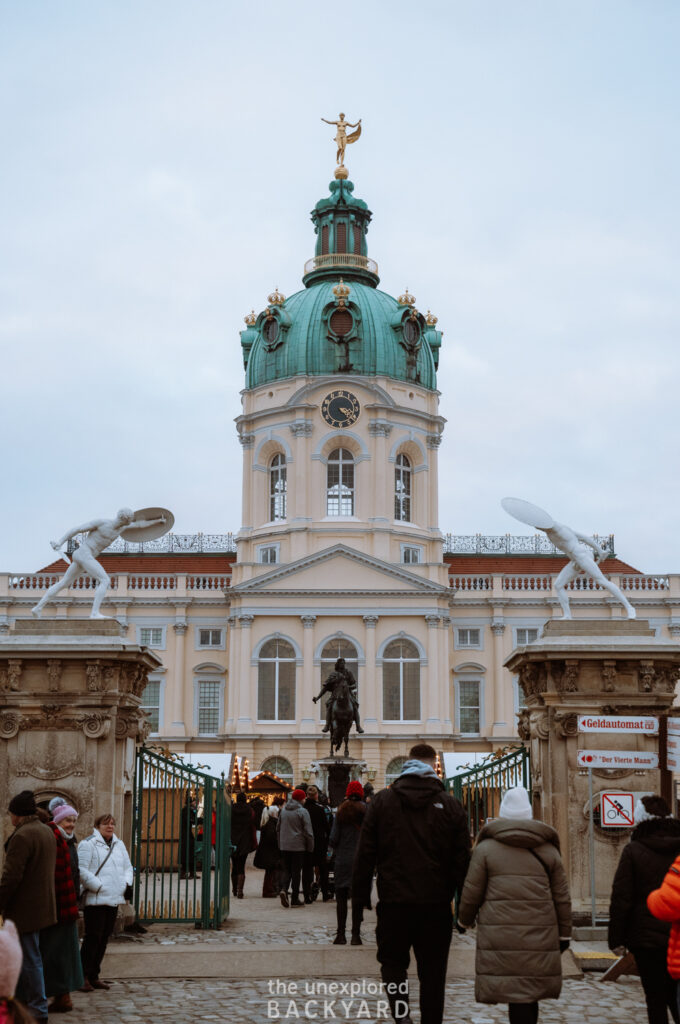
- Description: Charlottenburg offers a more traditional and refined experience with landmarks like Charlottenburg Palace and high-end shopping on Kurfürstendamm (Ku’damm). It’s ideal for those seeking a quieter, more sophisticated stay.
Best mid-range hotel: The Hoxton, Charlottenburg
Best luxury hotel: Waldorf Astoria Berlin

Do you need to rent a car?
Whether you should rent a car while exploring the day trips around Berlin is going to depend on your preference. Many of these day trips can be easily explored with public transport. However, some of them will be a little tricky to get to without a car. I will be sure to include guided tour options when available to give you an option to join a tour instead of renting a car for convenience. However, there will be places where it’s best to explore by car. These are mostly the day trips that are on the farther side from Berlin, which only make sense as day trips if you have a car – otherwise it would take too long to get there.
If you do decide to visit these spots, I would also recommend considering making some of them weekend trips to allow yourself more time to really explore the area. These spots specifically include Hamburg, Saxon Switzerland National Park, and the Harz Mountains. When it comes to car rentals I have always relied on Sunny Cars! I have always found the cheapest prices with them, and they have the best customer service I have ever experienced (+ insurance is automatically included in the price). Click here to check out their rental options!
When is the best time to visit Berlin
If your main goal is to explore day trips from Berlin, timing your visit can make a big difference. While Berlin itself is a year-round destination, late April through October is generally the best period for day trips thanks to mild temperatures, longer daylight hours, and lush landscapes.
That said, some destinations near Berlin also shine in winter – especially if you’re interested in festive cities or snowy mountain scenery. Below is a season-by-season breakdown to help you choose the best time for your itinerary.
If you are also planning to spend a few days in Berlin then make sure to check out my guides for the best things to do in Berlin!
Read more:
Alternative things to do in Berlin
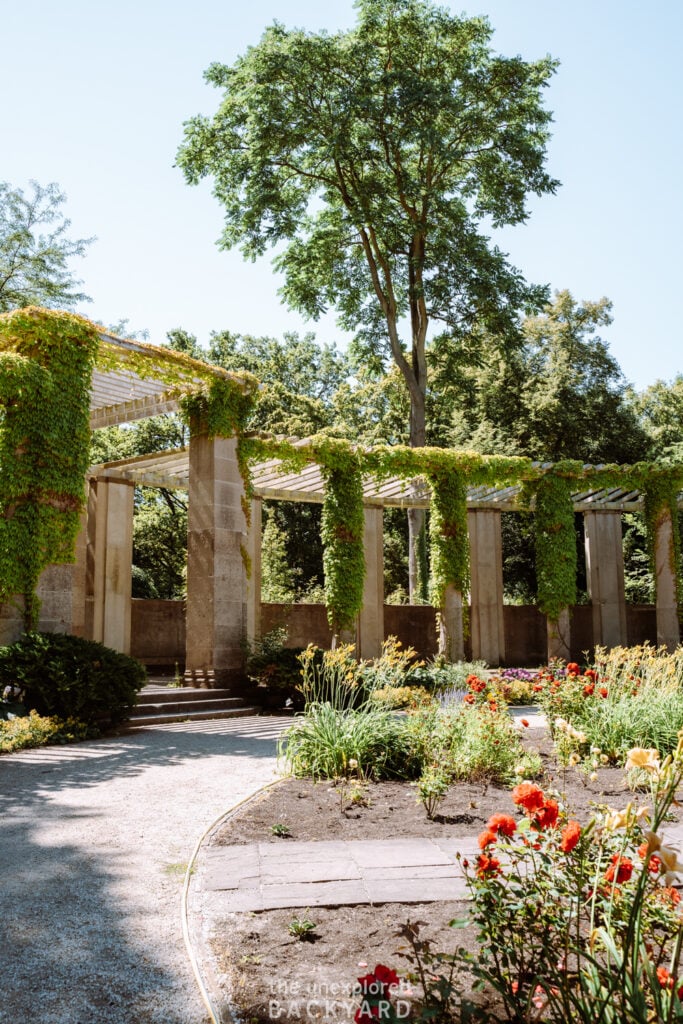
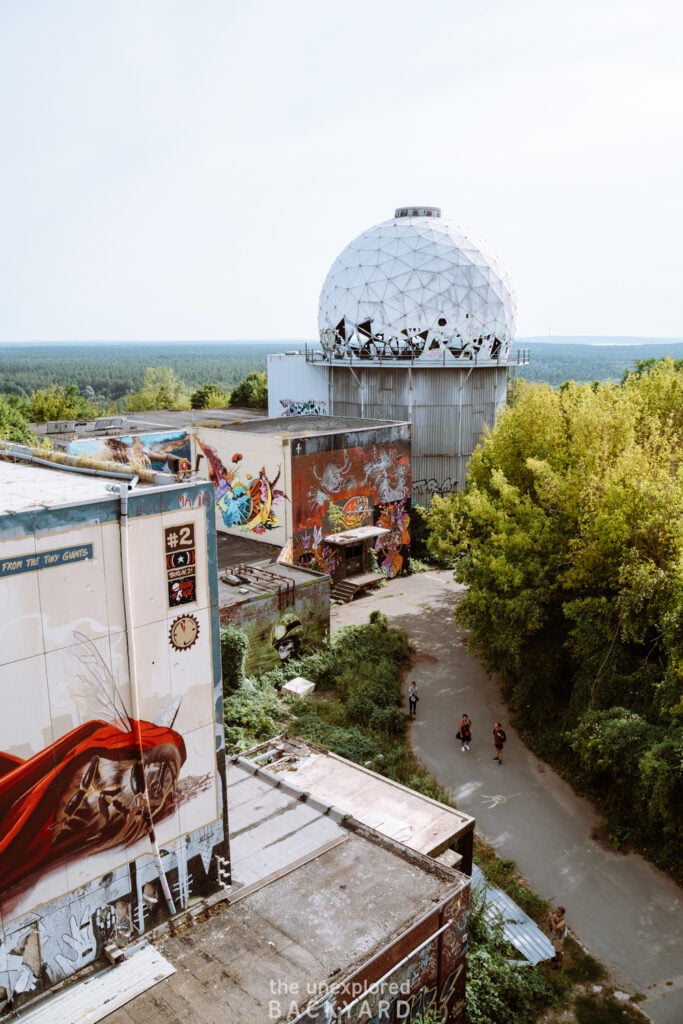
Spring (Late April – May)
Spring is one of the best times for day trips from Berlin, particularly from late April onward when leaves return to the trees and outdoor attractions reopen. Temperatures are comfortable for walking, gardens and parks are in full bloom (the best part!), and popular destinations are less crowded than in summer. This season is ideal for historic towns, nature reserves, and scenic landscapes close to Berlin.
Best spring day trips:
-
Potsdam: gardens, palaces, and cherry blossoms
-
Spreewald: canals, forests, and traditional villages
-
Saxon Switzerland National Park: hiking and viewpoints
Summer (June – August)
Summer is peak season for day trips from Berlin, offering the widest range of options and the best weather for outdoor exploration. Long daylight hours make even longer journeys worthwhile, and lakes, mountains, and coastal destinations are at their most accessible. While it’s busier, summer is the most reliable time for nature-based and extended day trips. Keep in mind that in summer, the weather in Berlin (and the area) is around 30 degrees most days.
Best summer day trips:
-
Hamburg: vibrant harbor city with outdoor cafés and boat tours
-
Wannsee: lots of swimming spots
- Wackerbarth and Potsdam: stunning views of the lush vineyards
Autumn (September – November)
Autumn is a shoulder season that works well for day trips from Berlin. In September you can enjoy slightly cooler weather with fewer crowds, while still enjoying the lush scenery. From Mid-October the colorful foliage arrives, making it a great time for hiking regions and cultural destinations. While daylight hours shorten, autumn scenery adds a unique atmosphere to many popular excursions. This area typically experiences slightly later foliage, with its peak occurring around late October – beginning of November.
Best autumn day trips:
-
Harz Mountains: autumn colors and cute towns
- Saxon Switzerland: incredible autumn colors and wonderful hiking options!
-
Rakotzbrücke: by far the best season to visit!
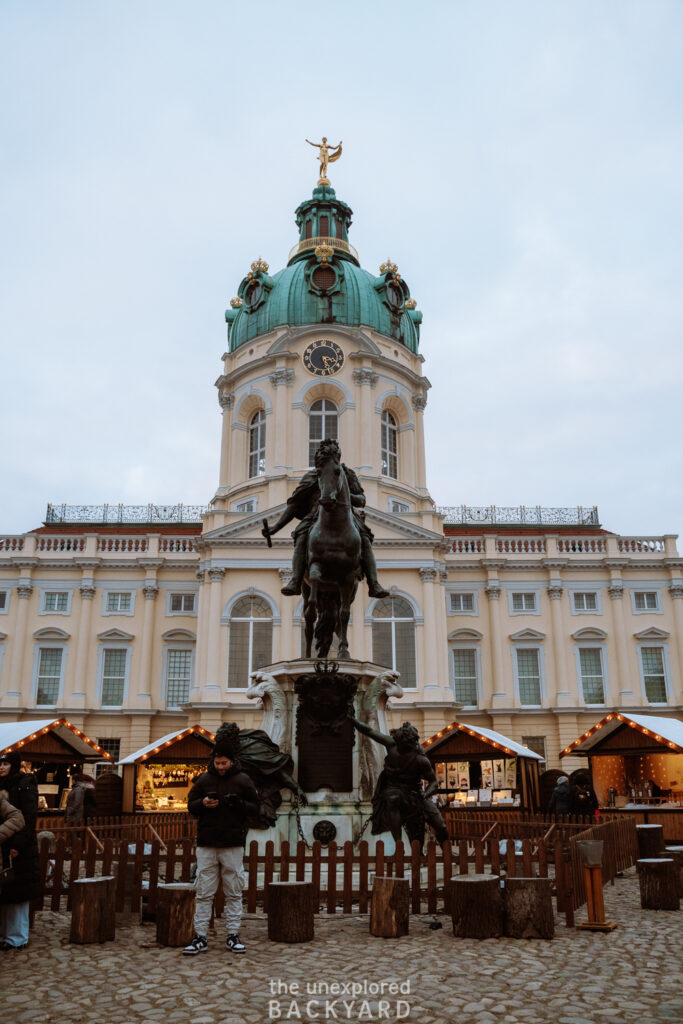
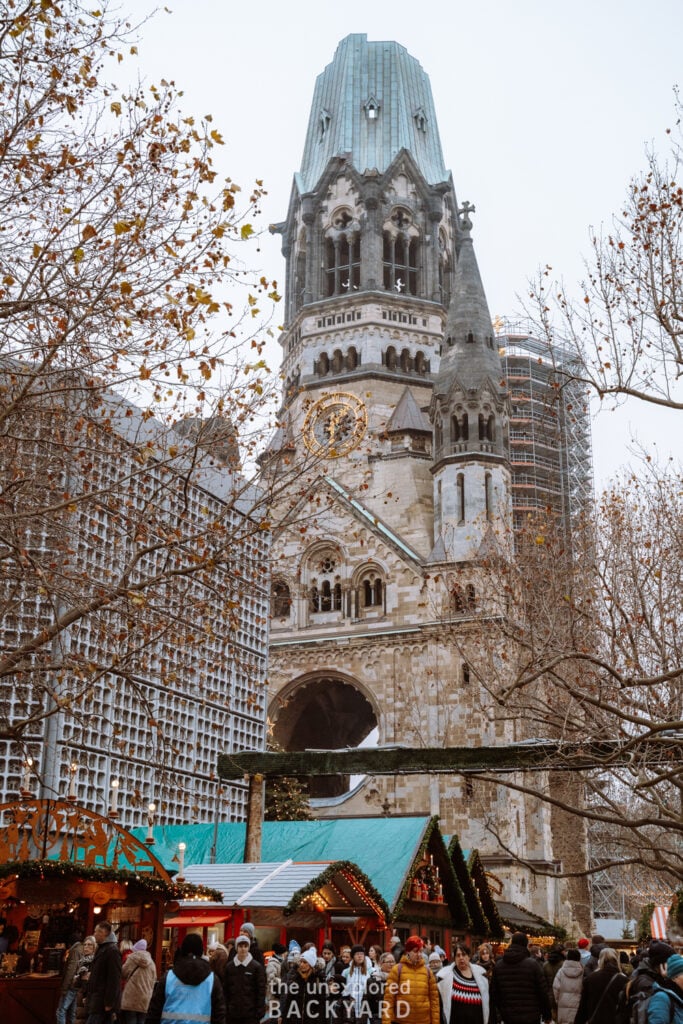
Winter (December – March)
Winter is not the best season for most outdoor day trips from Berlin, but a few destinations truly shine during this time. While weather can be cold and daylight limited, winter brings festive markets, fewer crowds, and snowy landscapes in certain regions. Cities and mountain areas are the strongest winter options.
Best winter day trips:
-
Harz Mountains: often snowy, perfect for winter hiking and skiing from January
-
Hamburg: great year-round with museums, cafés, and Christmas markets
-
Dresden: the most magical German city during the Christmas season!
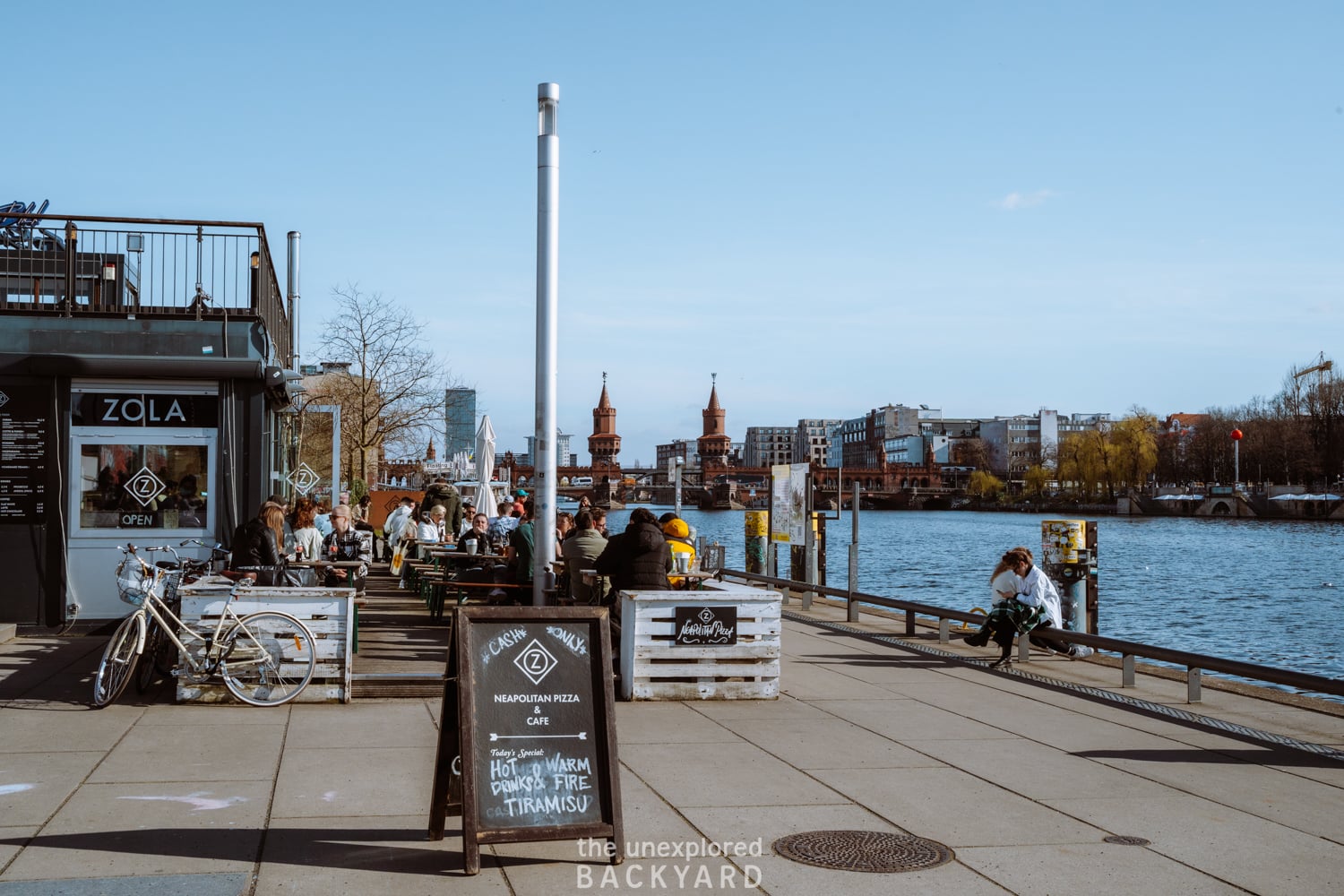
Best day trips from Berlin
1. Potsdam
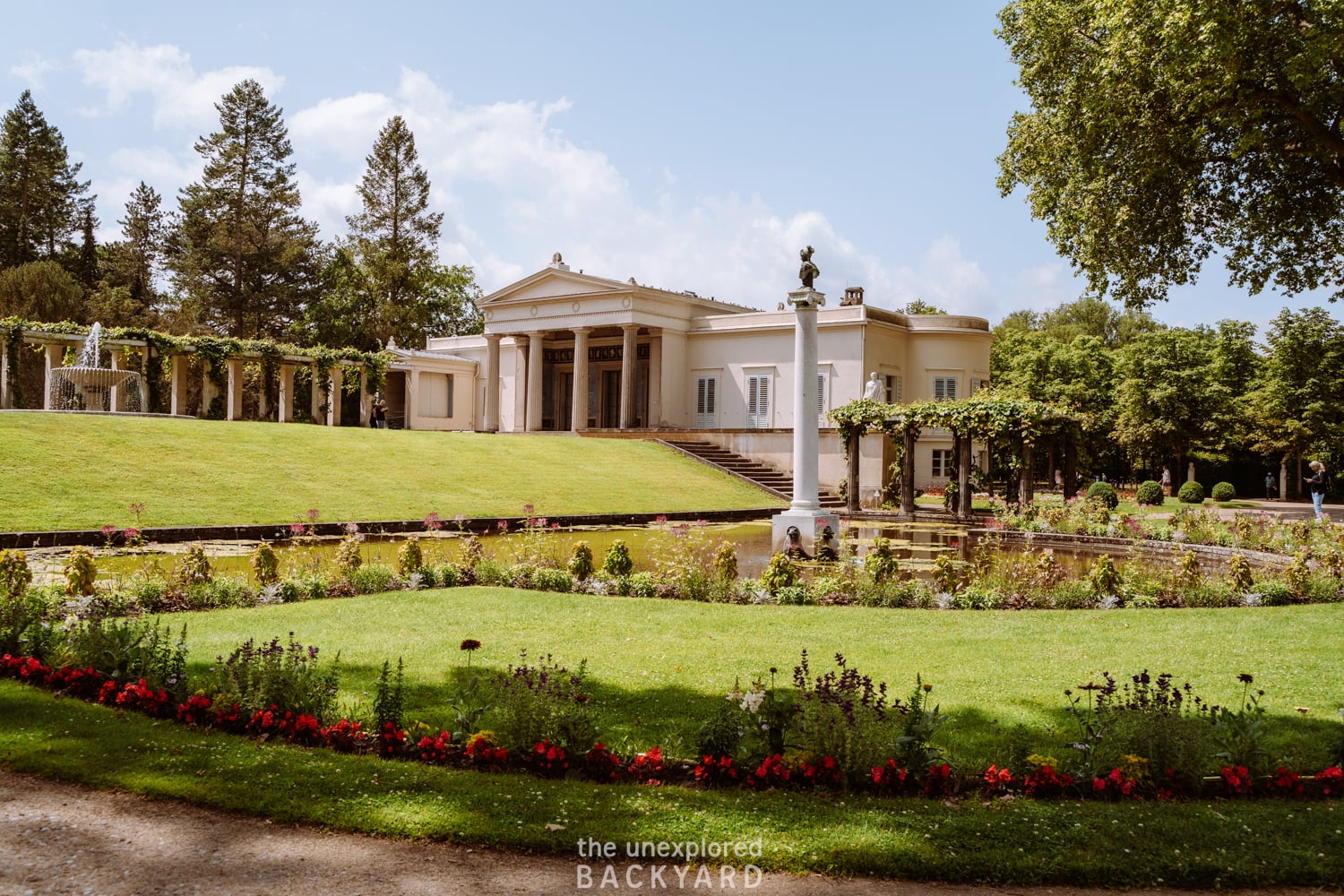
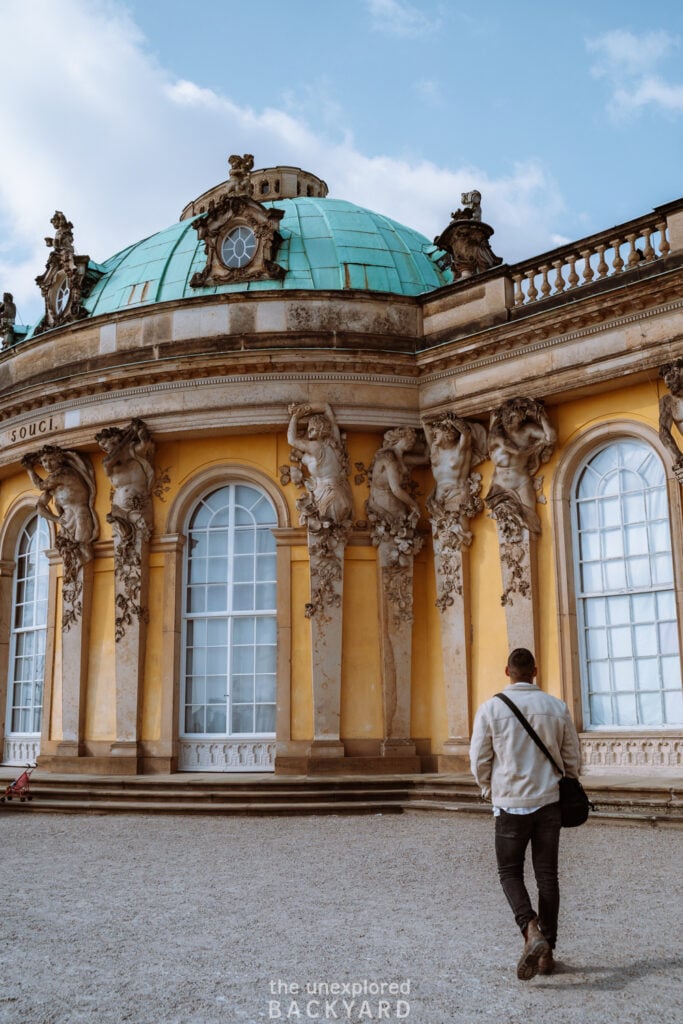
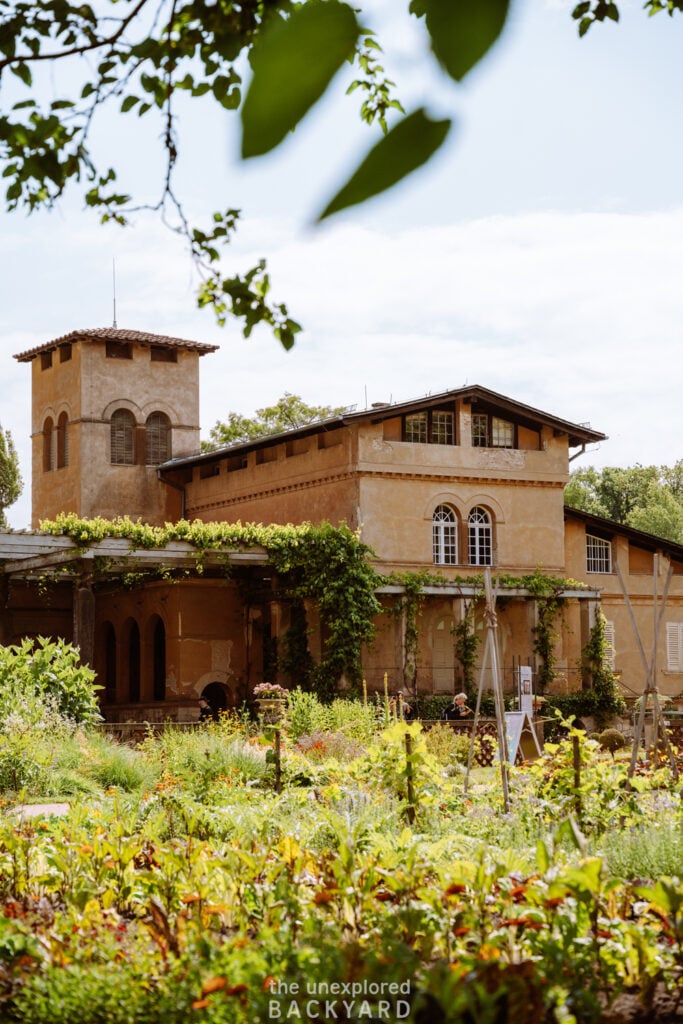
Potsdam is one of my all-time favorite day trips from Berlin, and it’s one of those cities that I never get tired of revisiting (and I say that after about 5-6 trips here!). Not only is this city beautiful, filled with stunning gardens and castles, but it’s also incredibly accessible, as it’s only 30 minutes away from Berlin. If you only have time for one day trip from Berlin, I recommend making it to Potsdam – but I’ll let you decide as you read through all of these options! 😇
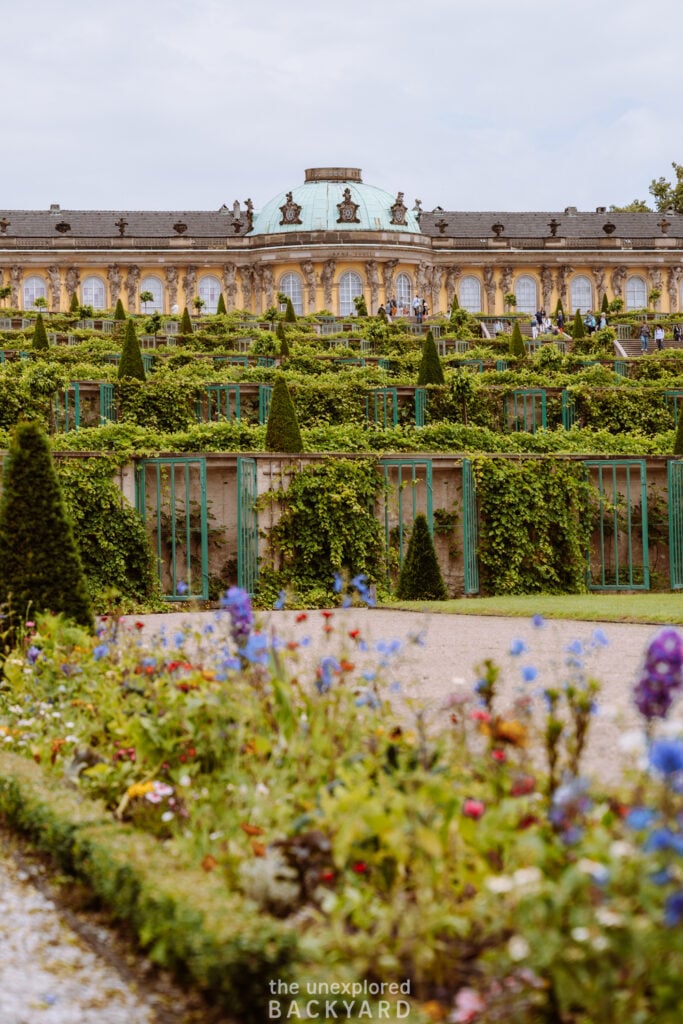
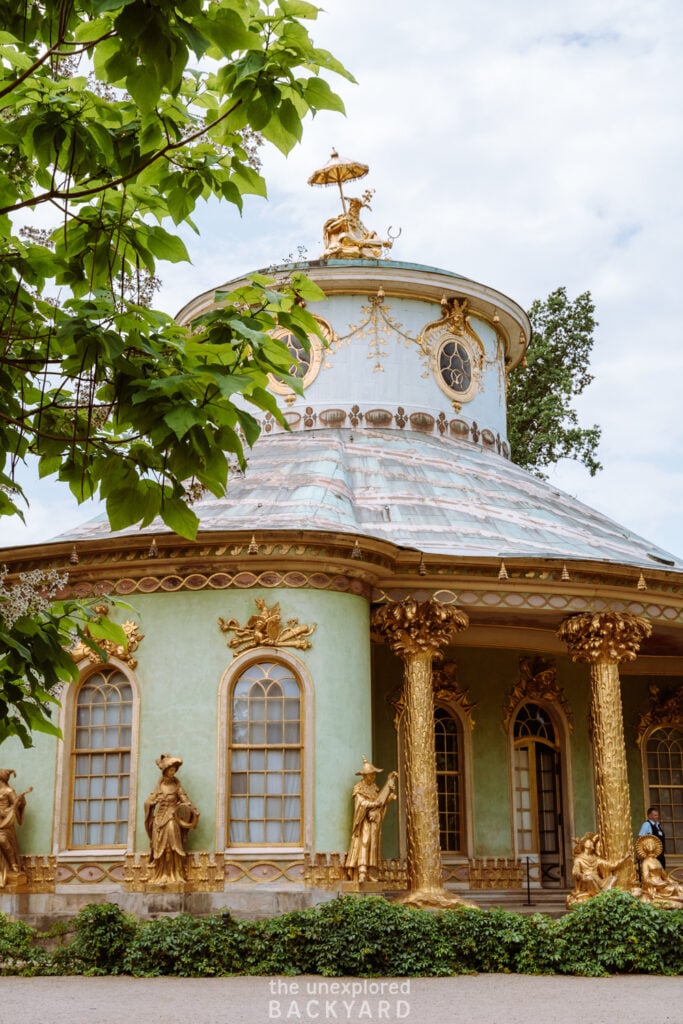
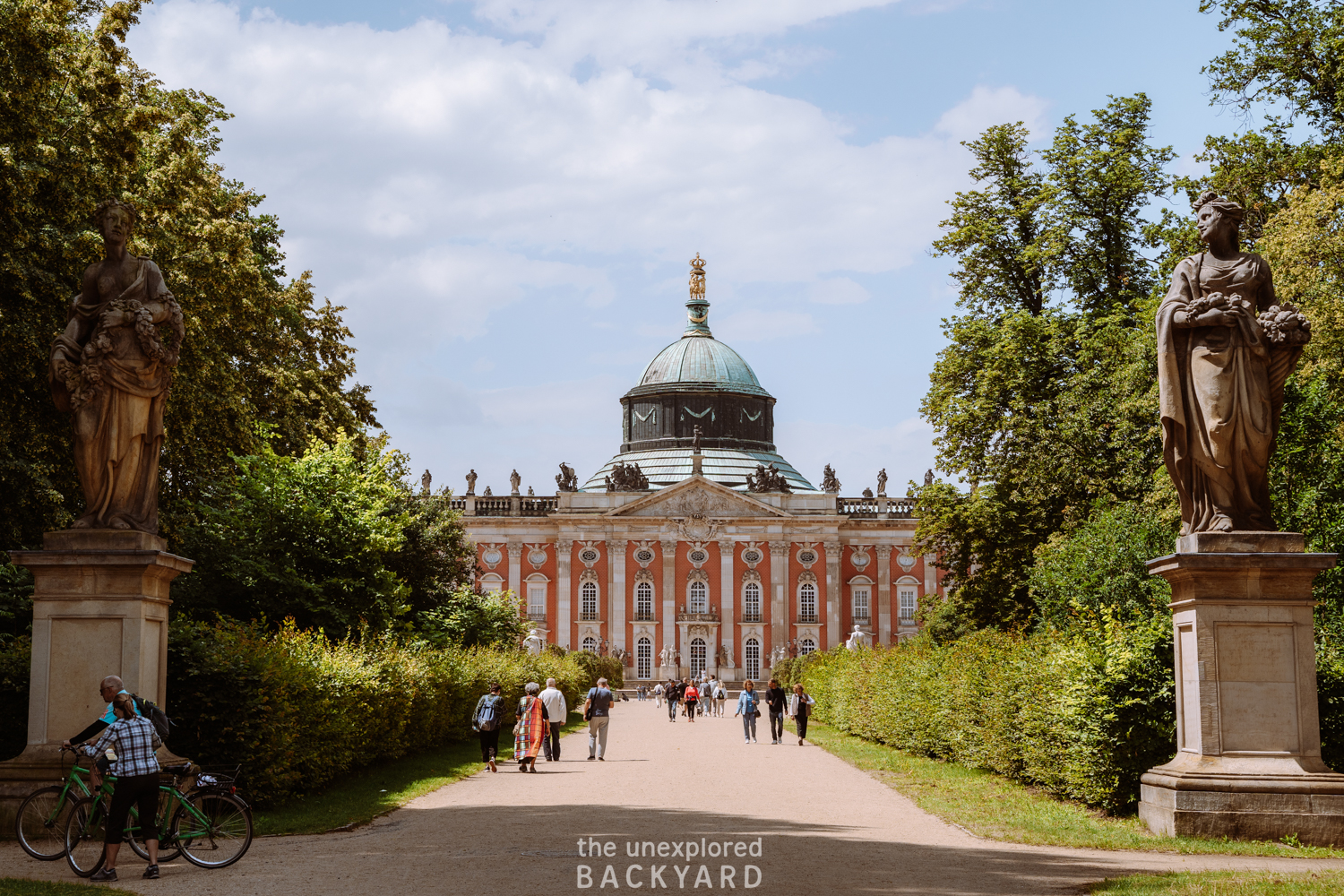
There are a lot of different things to do in Potsdam, and you can check out my full guide here! That being said, for a quick guide to my favorite spots here, I would recommend spending a few hours at Park Sanssouci. This is in itself one of the top attractions near Berlin for a day trip – filled with so much history and stunning castles. The park is home to the famous Schloss Sanssouci and Neues Palais. I highly recommend visiting in June if possible, the whole park is blooming with such a wide array of flowers, making it even more magical! Plan to spend at least 4 hours here, stopping by all of the stunning buildings and gardens, and consider touring the interior of Schloss Sanssouci.
Potsdam is incredibly walkable, so after a few hours in the park, you can easily walk to the city center to explore other iconic spots. These include the Brandenburg Gate and the Dutch Quarter! For more things to do in Potsdam, make sure to read the full guide linked below!
Read More: 17 things to do in Potsdam
How to get to Potsdam
By Public Transport:
Getting to Potsdam by public transport is fairly easy. You can either take the regional train (RE1) or the S train (S7) to get here. The regional train goes from the Berlin Central Station (Berlin Hauptbahnhof), leaving roughly every 20 minutes. The train takes just 25 minutes, and then you can get off at Potsdam Central Station. This train also stops at Zoologischer Garten and Charlottenburg train stations if your accommodation is closer to those stations!
The second option is the S7 train, also leaving from Berlin Central Station. The departures are slightly more frequent with trains roughly every 15 minutes, with a slightly longer journey time of around 35 minutes. This train also stops at both Zoologischer Garten and Charlottenburg, as well as other stations in Berlin. Make sure to check out the route in advance so that you can check which station is closest to you! Once again, get off at Potsdam Central Station. From here it’s a 25-minute walk to the city center. You can also take bus 695 to get to the city center faster (roughly 10 minutes).
By Car:
If you are arriving by car, then I recommend parking at Contipark Tiefgarage Luisenplatz in the city center. The location is extremely convenient, located by the Brandenburg Gate, making it easy to walk to most attractions in Potsdam. Parking prices are around 3 euros per hour (subject to change), and there are always lots of spaces available. If you prefer to find free parking, you may be able to find some spots in the side streets. If you’re lucky, there is a large parking space near the Church of Saints Peter and Paul that is free to park in when there aren’t events here (such as a weekend market, etc.).
By Guided Tour:
Lastly, if you prefer to join a pre-organized tour to Potsdam, then this is also possible! If you are also interested in learning more about the history of Potsdam, then I highly recommend taking a tour to learn more. Most tours focus on Park Sanssouci, which I also think is the highlight here, but you can also search for ones that explore other areas of Potsdam. Below is an overview of the top-rated day trip tours to Potsdam from Berlin.
2. Dresden
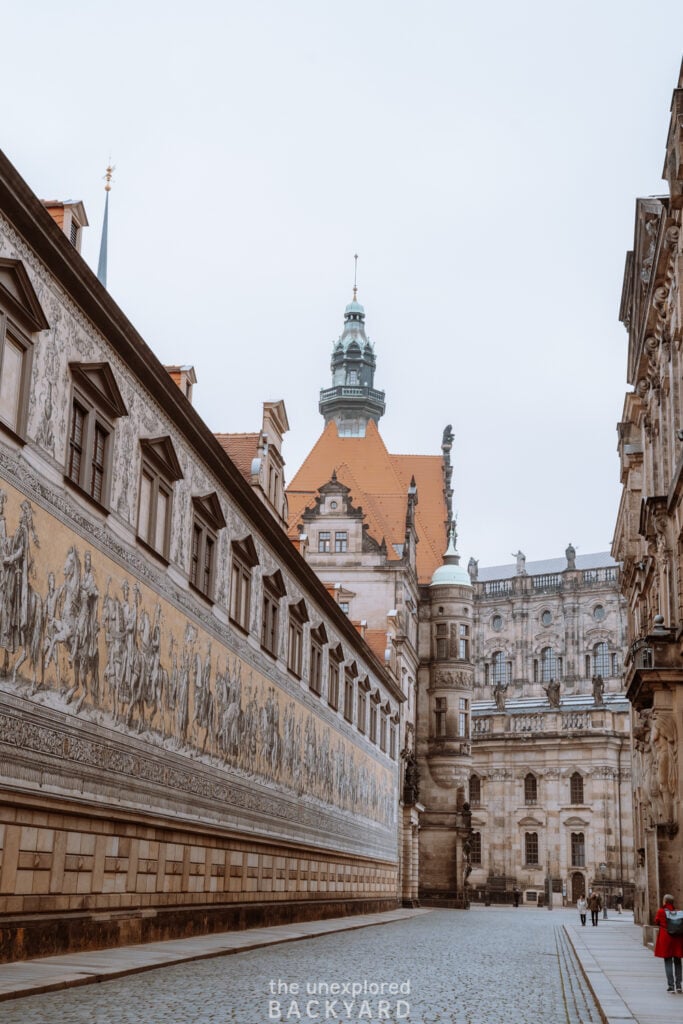
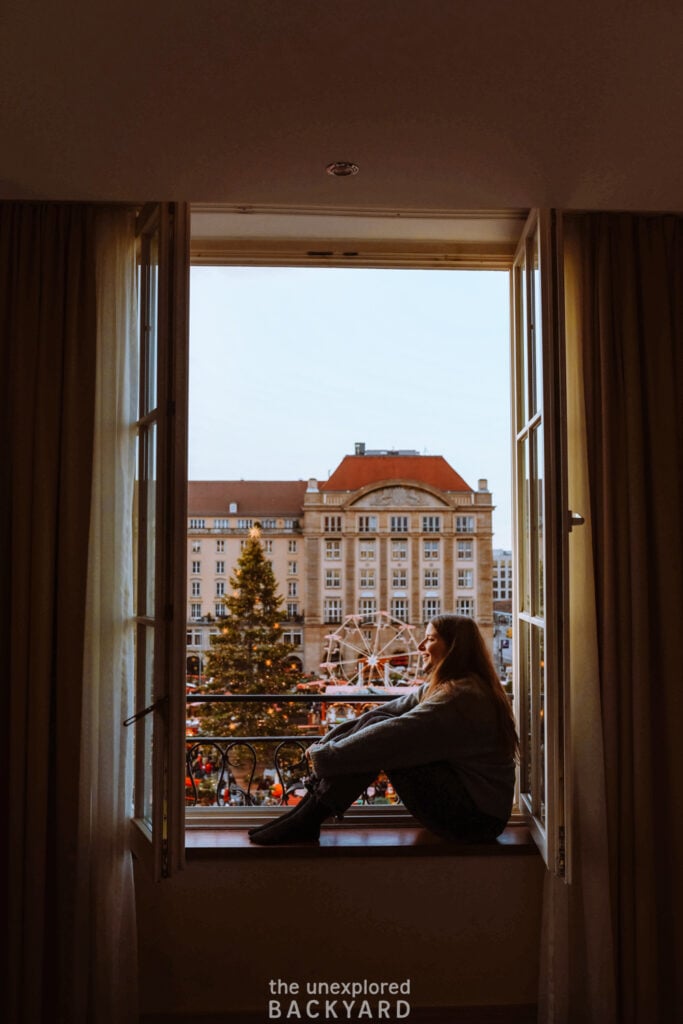
Another one of my favorite day trips from Berlin is Dresden, located around 2 hours from Berlin! In general, Dresden is one of my all-time favorite cities in Germany, as the architecture here is simply unmatched! If you love history or just enjoy beautiful architecture, then you must add Dresden to your travel itinerary!
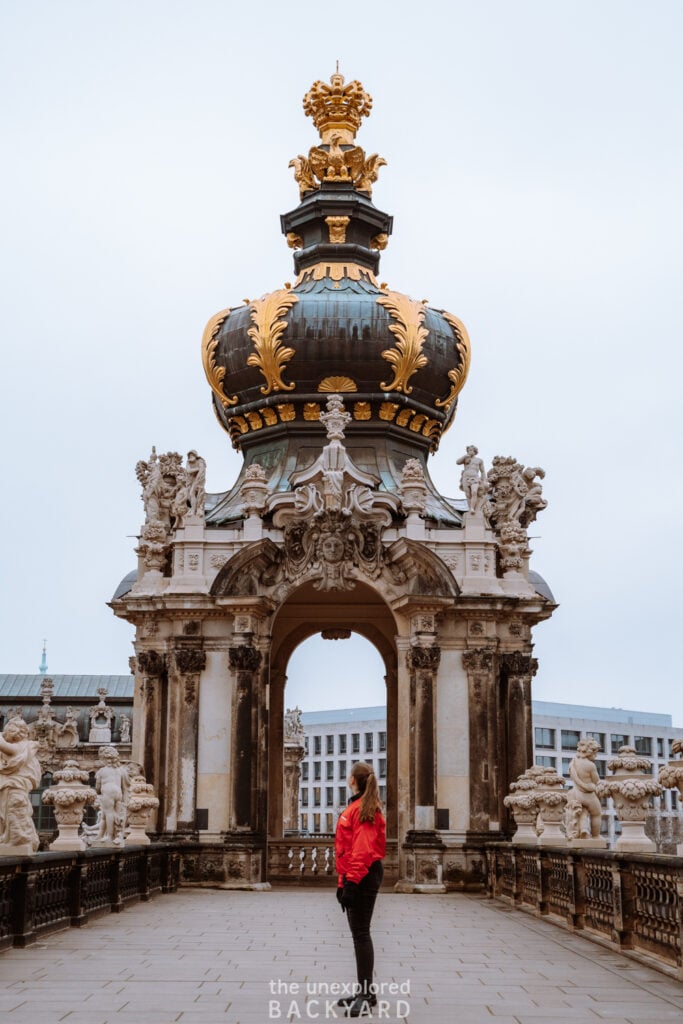
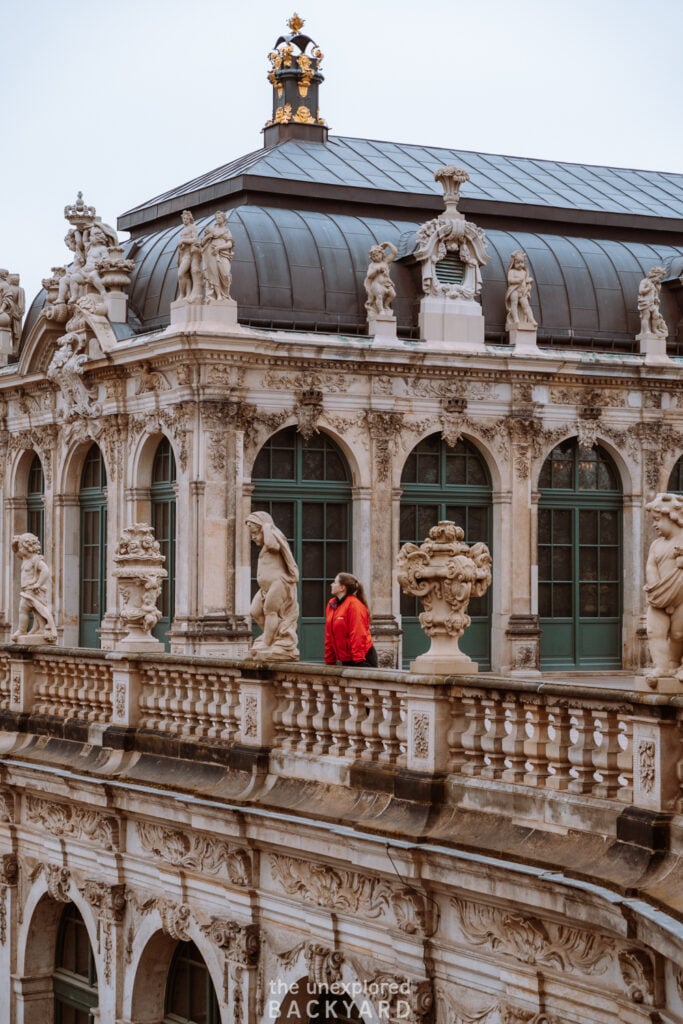
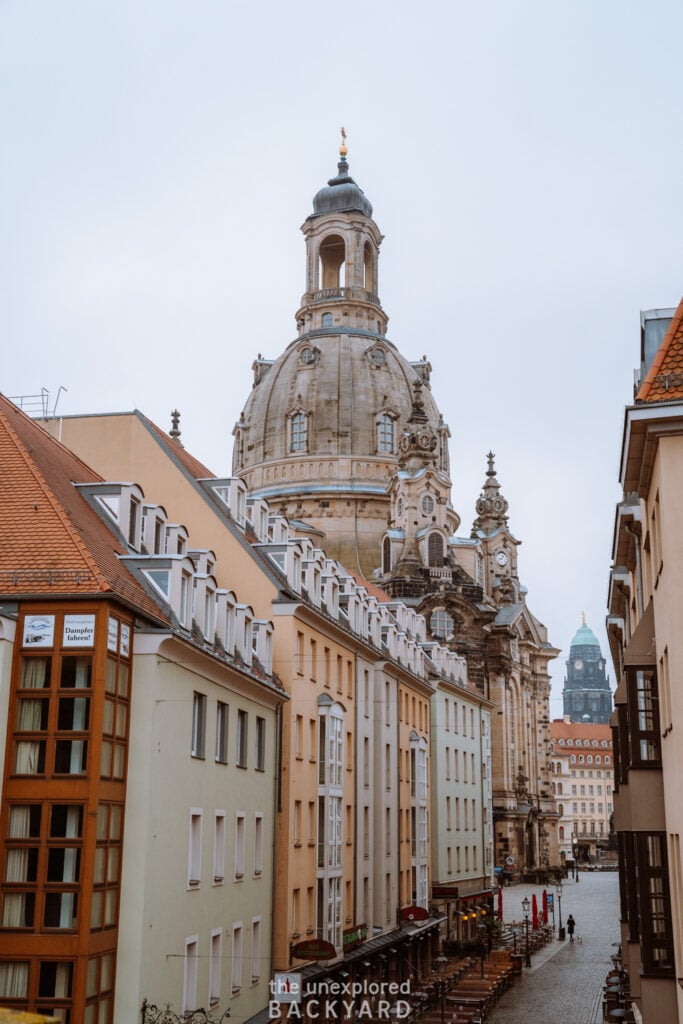
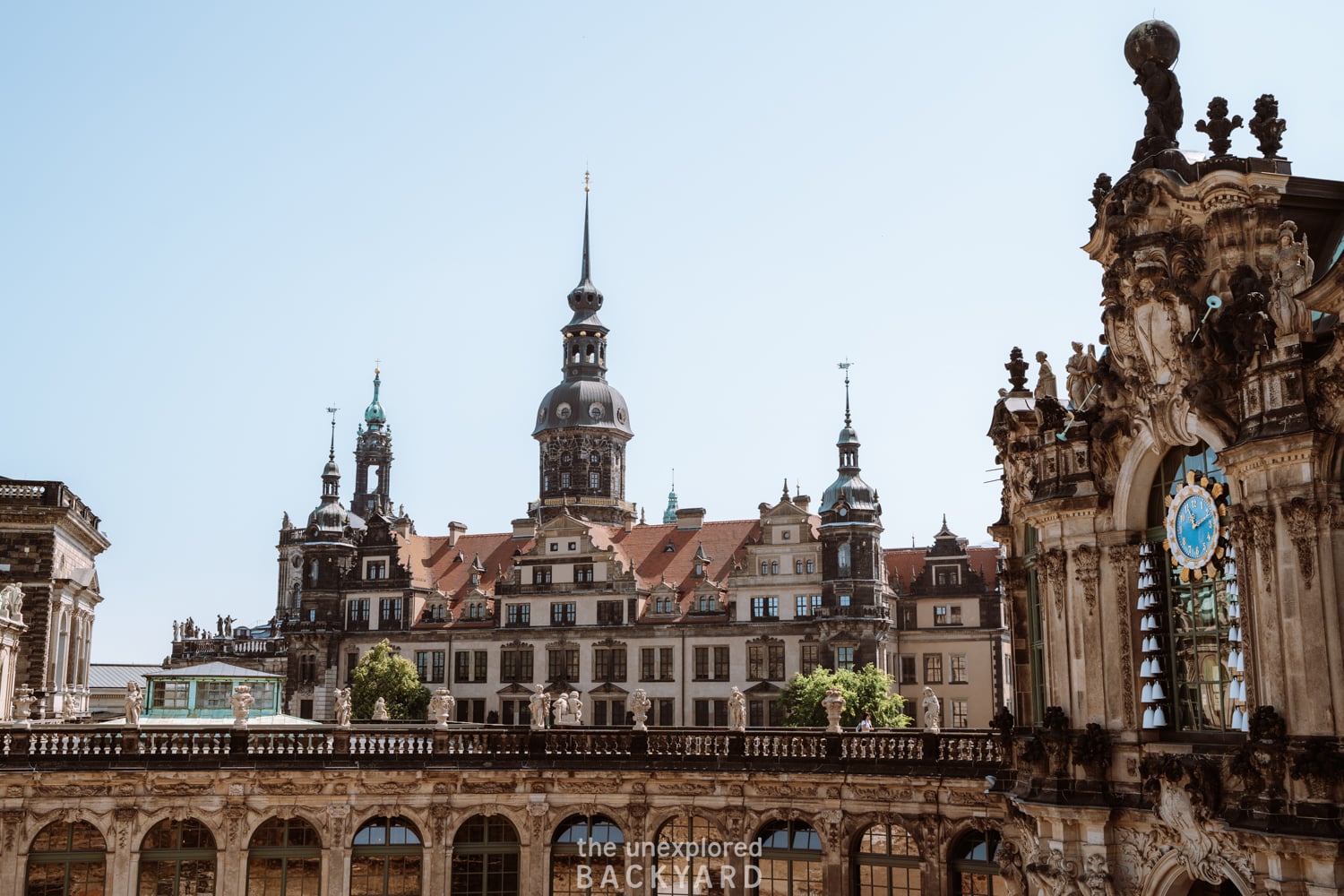
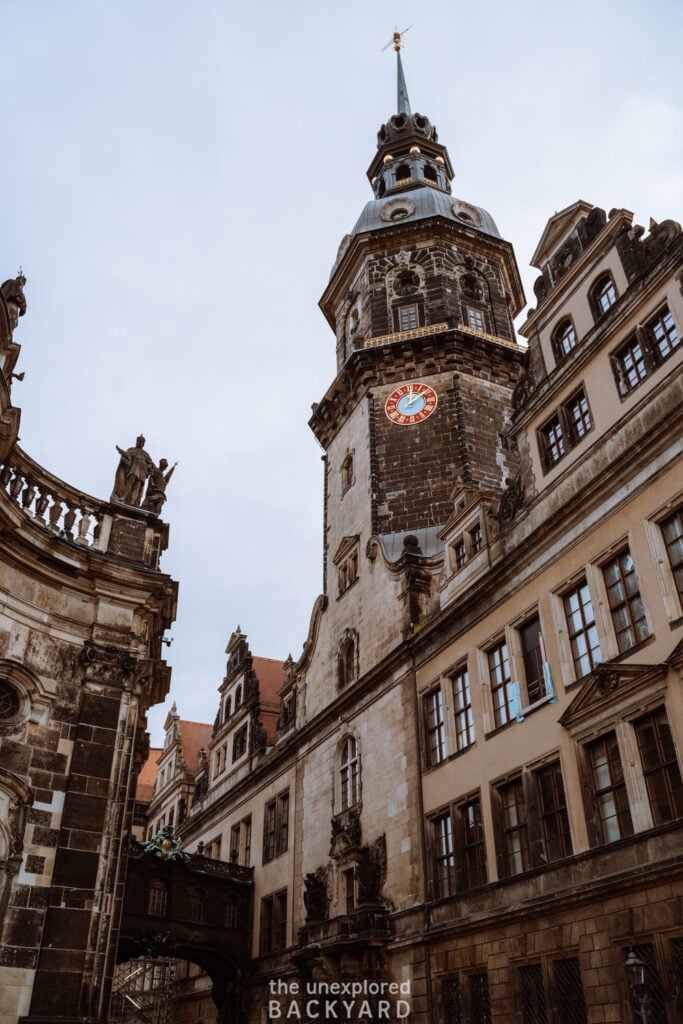
The city is filled with incredible baroque architecture, with the old town reminding me of cities like Edinburgh. One of the most fascinating things here is the fact that the city basically burned to the ground in World War II, so all of the amazing architecture here is actually exact replicas of the buildings that were destroyed. As you can probably hear, Dresden is one of the best historical day trips from Berlin that you can take!
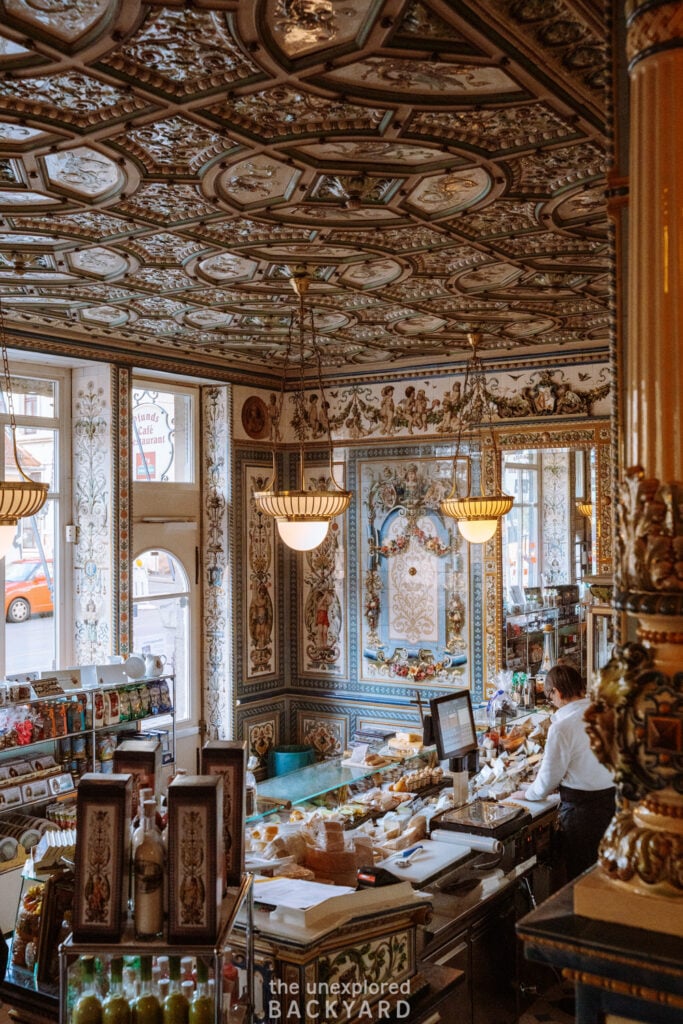
It’s also a super walkable city, making it easy to explore all of the best spots in the old town in just a few hours! My favorite spots in Dresden include the Zwinger Castle Complex, Frauenkirche, Theaterplatz, and Residenzschloss. If the weather is good, then you also must visit Brülsche Terrasse for a drink with a view over the Elbe River. Outside of the old city, you also absolutely have to check out the most beautiful milk shop in the world (I know it sounds a bit odd, but trust me on this!). It’s called Pfunds Molkerei, and it’s totally worth the little detour. For more things to do in Dresden, make sure to check out my blog post below.
Read More: Best things to do in Dresden
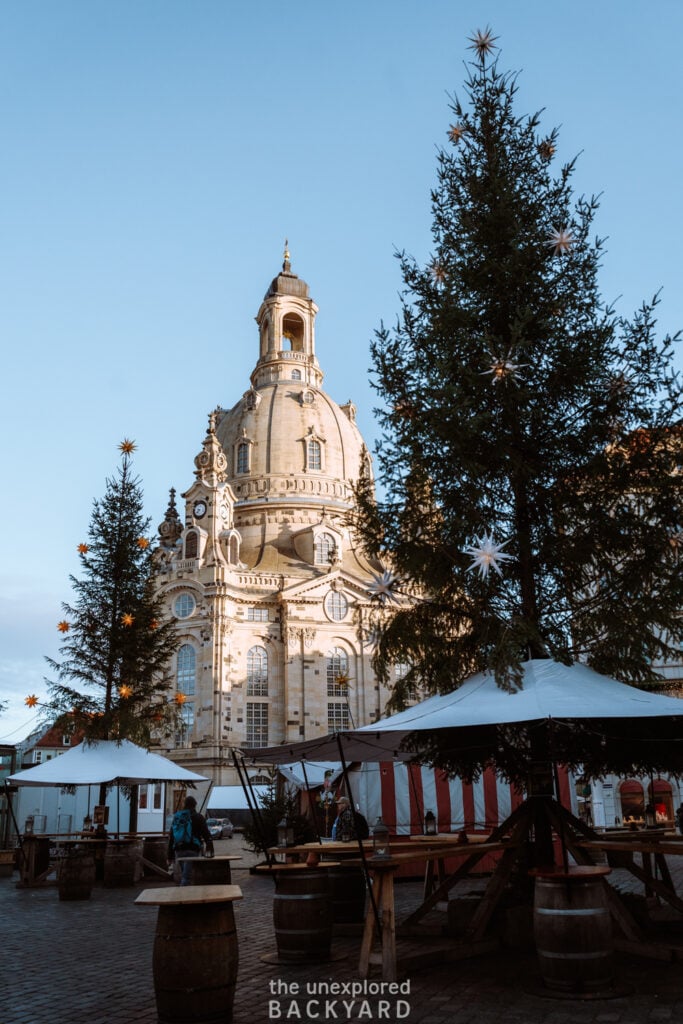
PS. If you’re thinking about visiting Dresden during Christmas time, then make sure to check out my guide for the best Christmas Markets in Dresden!
Read More: Best Christmas Markets in Dresden
How to get to Dresden
By Public Transport:
Getting to Dresden by public transport from Berlin is a breeze. For a convenient and comfy ride, definitely book a train between these two cities. The journey takes around 1 hour and 50 minutes by train. While this is the ideal way to travel between cities, tickets can cost anywhere between 14 – 55+ euros for a single ticket, so it’s not always the budget-friendly option. If train ticket prices are too high when planning your trip, consider taking the FlixBus instead! You can take a direct FlixBus which takes around 2.5 hours in total. The typical price per ticket is around 15 euros making it ideal for last-minute bookings.
By Car:
If you would like to combine a visit to Dresden with some other spots on the list, then I would recommend getting here by car to have maximum flexibility. In general, you will find that several of the other spots on this list are quite close to Dresden. More specifically, you could take a weekend trip here and stop by Spreewald Biosphere Reserve, Schloss Moritzburg, Schloss Wackerbarth, Rakotzbrücke, Schloss Muskau, and Saxon Switzerland National Park.
PS. I’m obviously not suggesting that you should do all of these in one weekend!
When it comes to parking in Dresden, you have many options. Personally, I recommend parking near Altstadt for convenient and central parking, for a fairly reasonable price. Tiefgarage Altmarkt is huge and has comfortable parking spaces for larger cars as well. Parking is on the expensive side here at around €3 per hour, and €28 for a day ticket. This parking lot should be open 24/7 and accept card payments without any issues. Another nearby option is the Tiefgarage Altmarkt-Galerie, which should be a bit cheaper at around €2.5 pr hour and €20 per day. Keep in mind that this parking lot is open from 8 AM to 9:30 PM, and it appears to be cash only.
Book your rental with Sunny Cars here!
3. Spreewald Biosphere Reserve
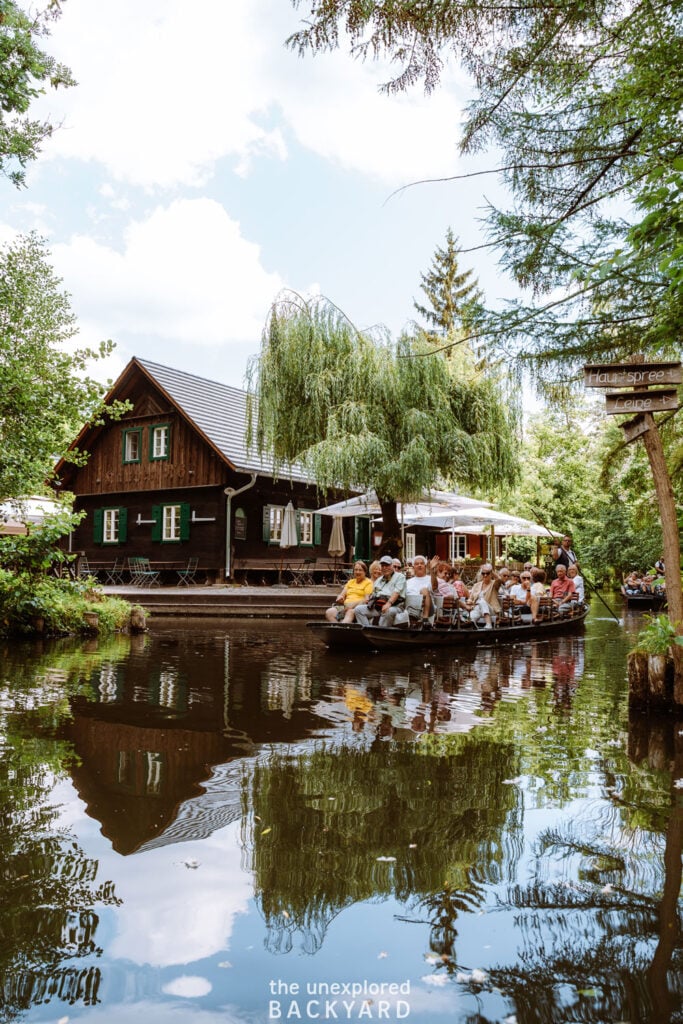
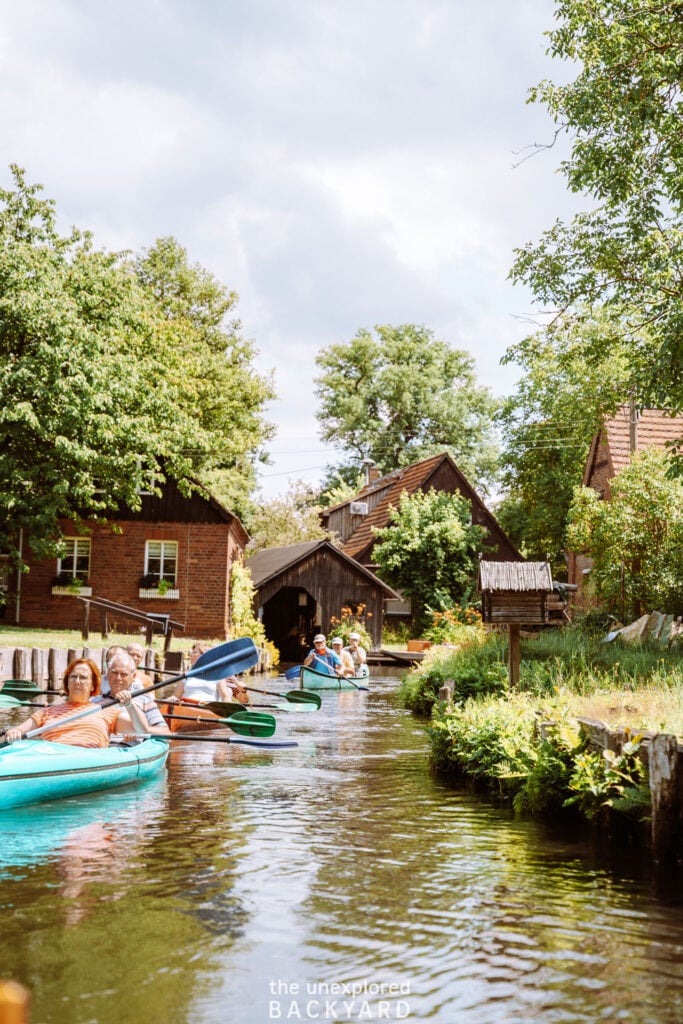
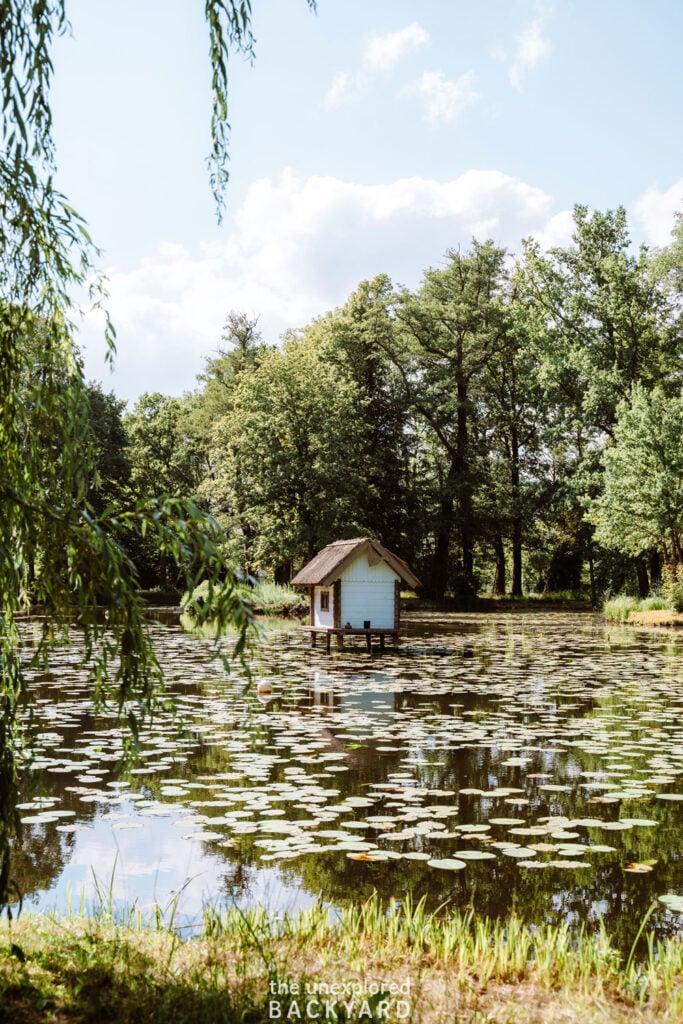
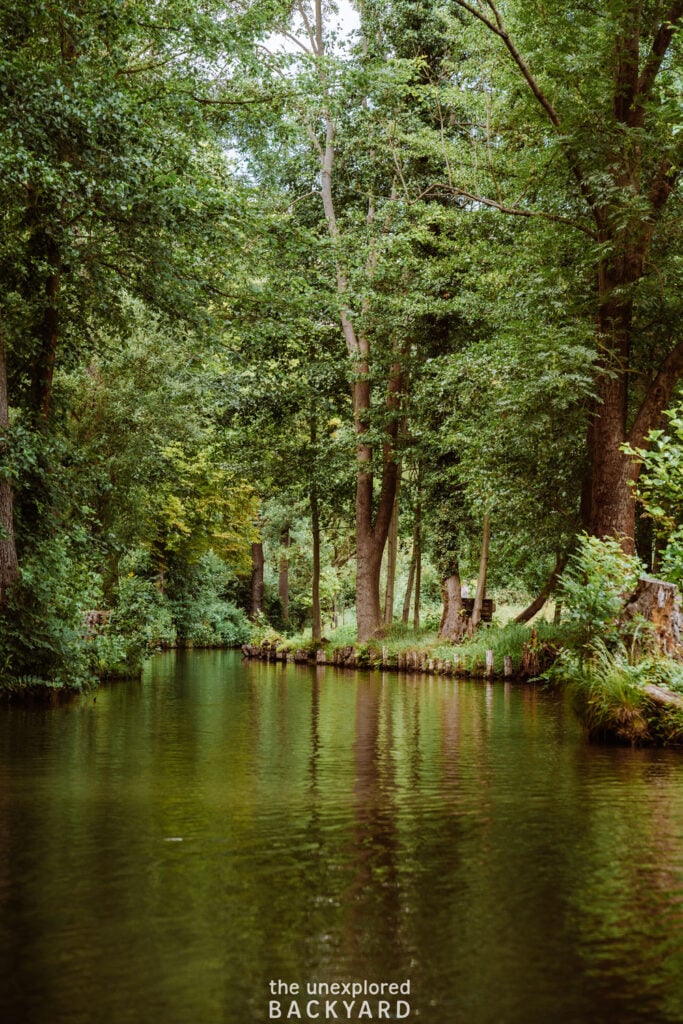
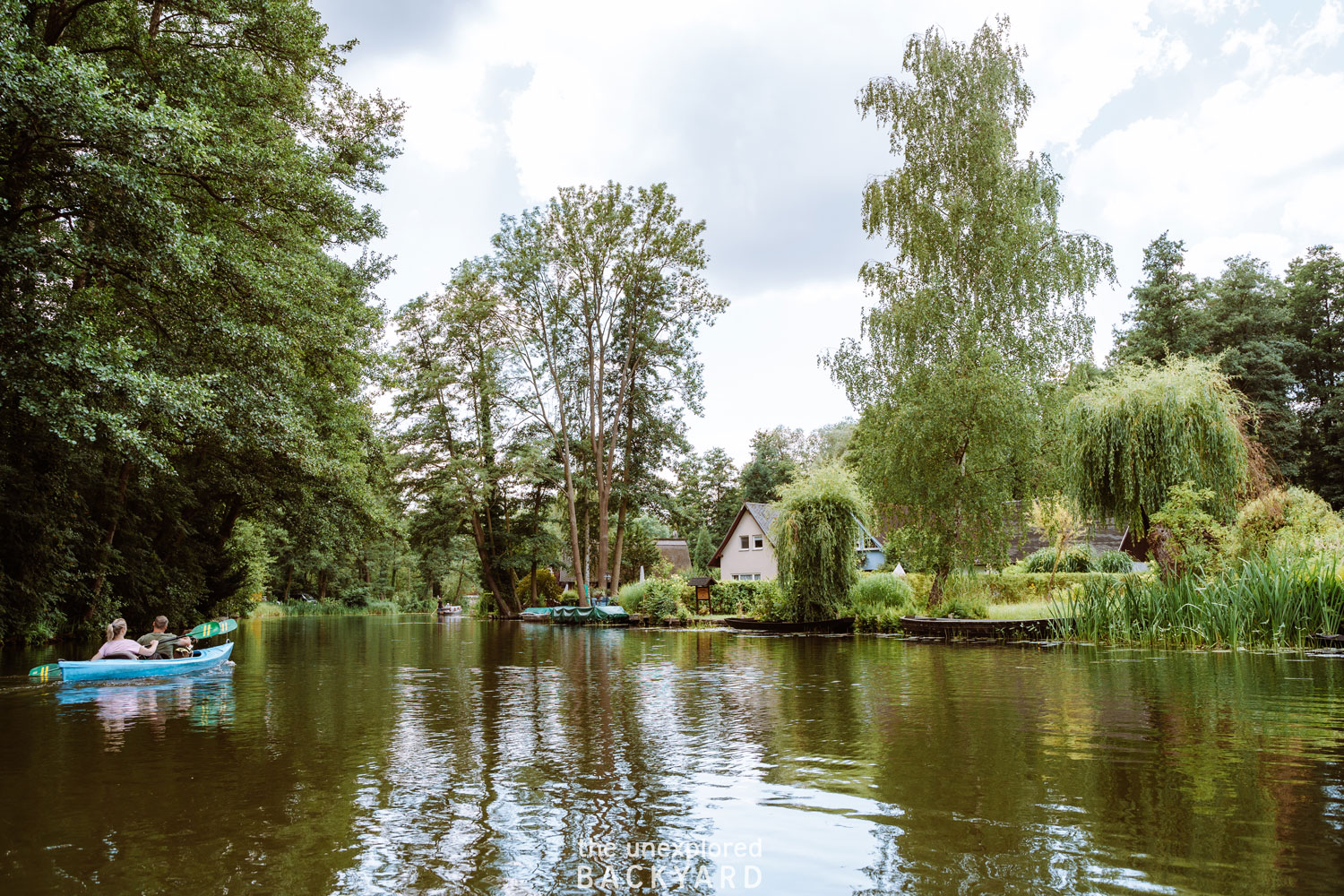
To close off the top three day trips from Berlin, we have Spreewald! Spreewald Biosphere Reserve is actually a UNESCO site located just about an hour away from Berlin. This is one of those spots that still feel like they are completely off the radar of most travelers. While visiting, most people here didn’t speak any English, and we even joined an all-German cruise, which was still a super fun experience. Spreewald is kind of like the countryside version of Venice, with an expansive canal system running through the region.
The main town here is Lübbenau, and it’s super cute! Most of the region consists of summer houses and cottages, and it makes for such a wholesome day. In my opinion, Spreewald is the perfect nature day trip from Berlin, as it’s quite easily accessible. The best thing to do here is either join a canal cruise or rent your own kayak to explore the area on your own. You also must explore Lübbenau while here, making sure to see the stunning Palace gardens (free to visit!).
I would recommend planning to spend at least 5 hours here, as most canal tours last around 2 hours. For a more detailed guide for visiting Spreewald and things to do there, check out my full blog post.
Read More: Things to do in Spreewald
How to get to Spreewald Biosphere Reserve
By Public Transport:
If you don’t have a car, you can still visit Spreewald Biosphere Reserve with public transport! The train station in Lübbenau is just a few minutes away from the parking lot above, meaning it’s super easy to get around and do all of the activities listed below even without a car.
To get to the Lübbenau train station from Berlin, you need to take the RE2 regional train line. You should be able to take this regional train from a variety of stations around Berlin but if you take it from Ostkreuz then the journey will take you just around 50 minutes. Once you arrive at Lübbenau (Spreewald) train station, you can either head into Lübbenau town center, or to the parking lot above to find a canal tour.
By Car:
The easiest way to get to Spreewald Biosphere is definitely by car. As previously mentioned, Spreewald Biosphere Reserve is a huge area in Brandenburg, Germany. However, the best activities in the region lie around the city of Lübbenau, therefore I highly recommend making that your base during your visit. In addition, canal tours start from specific spots around the area, so I recommend parking near the city and a spot for a canal tour, as that will be the ideal location for all of the activities below.
Set your navigation system to Dammstraße 71, Lübbenau where you will find a large parking lot. It should cost 7€ to park here for the day, and you will find a canal tour starting point at the end of the parking lot.
Book your rental with Sunny Cars here!
By Guided Tour:
If you want a completely hassle-free trip to Spreewald Biosphere Reserve, then you can also book a guided tour here instead! There are currently two tour options available from Berlin, both offering something different. The first tour option takes you on a canal cruise and includes free time in Lübbenau. The second tour allows you to choose between a kayak or a canoe to explore the canals of Spreewald on your own. Afterwards, you also get free time in Lübbenau. If you’re interested in taking a guided trip, then make sure to decide whether you want a relaxing canal cruise or to be active on the water before booking your tour!
4. Schloss Moritzburg
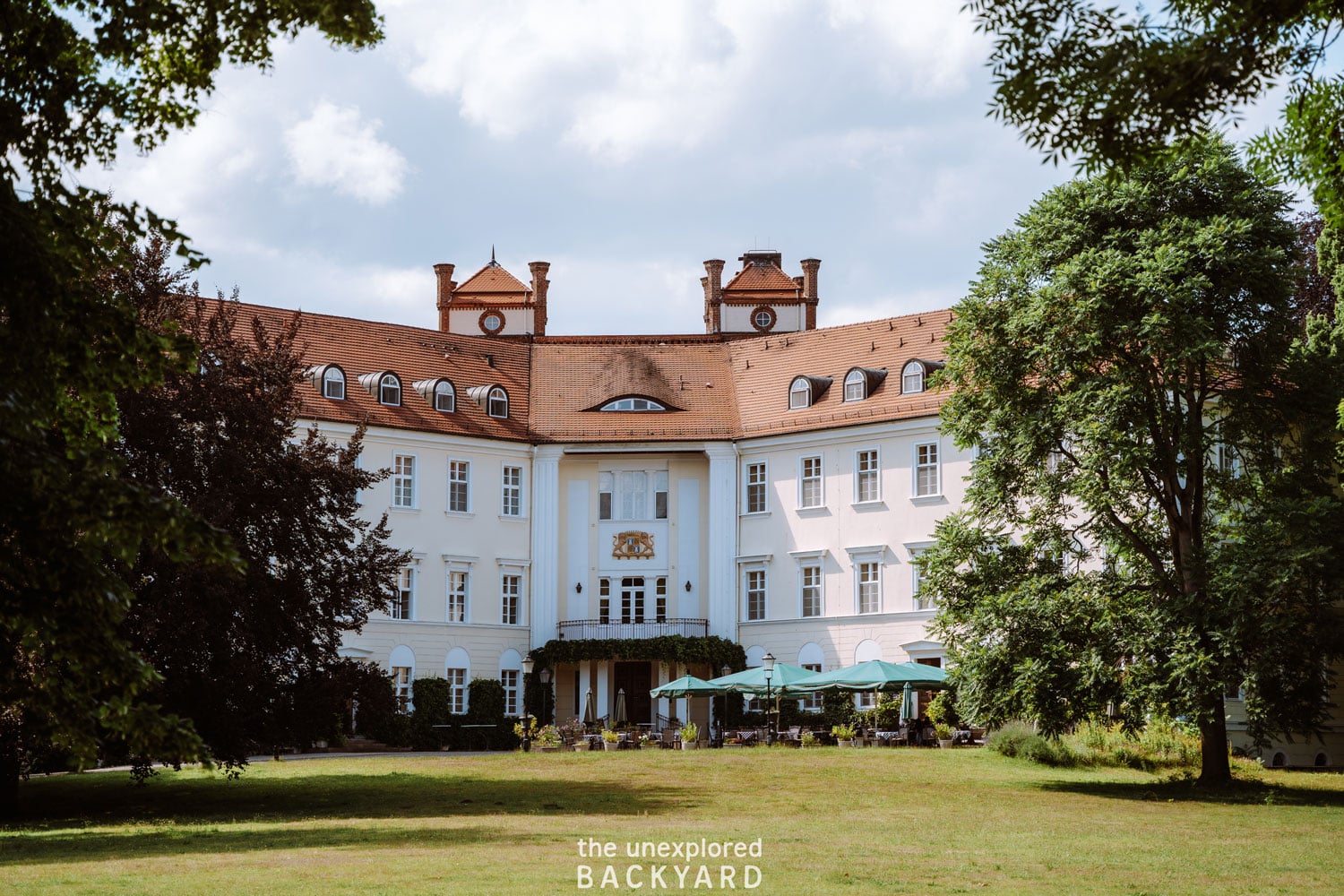
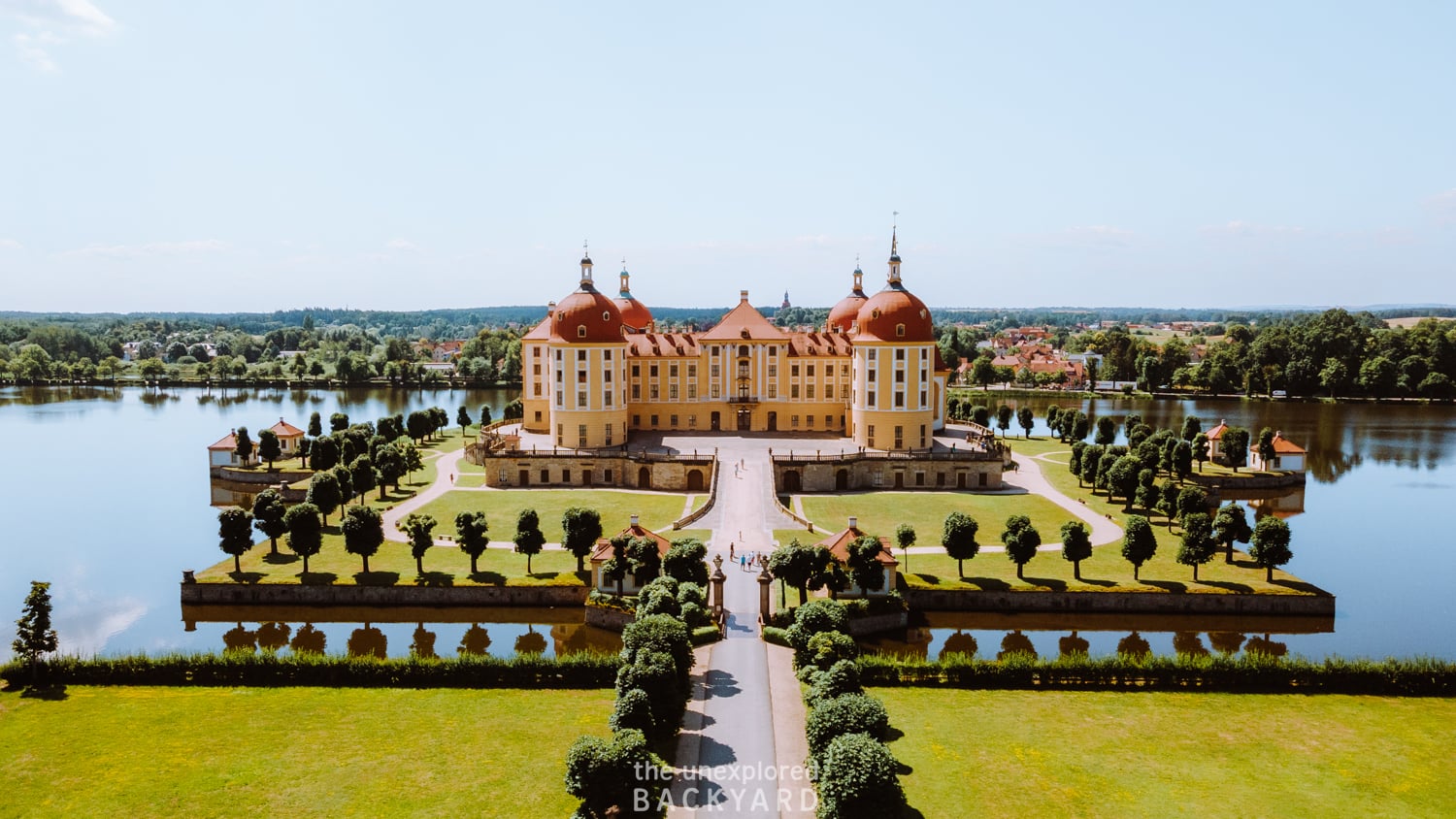
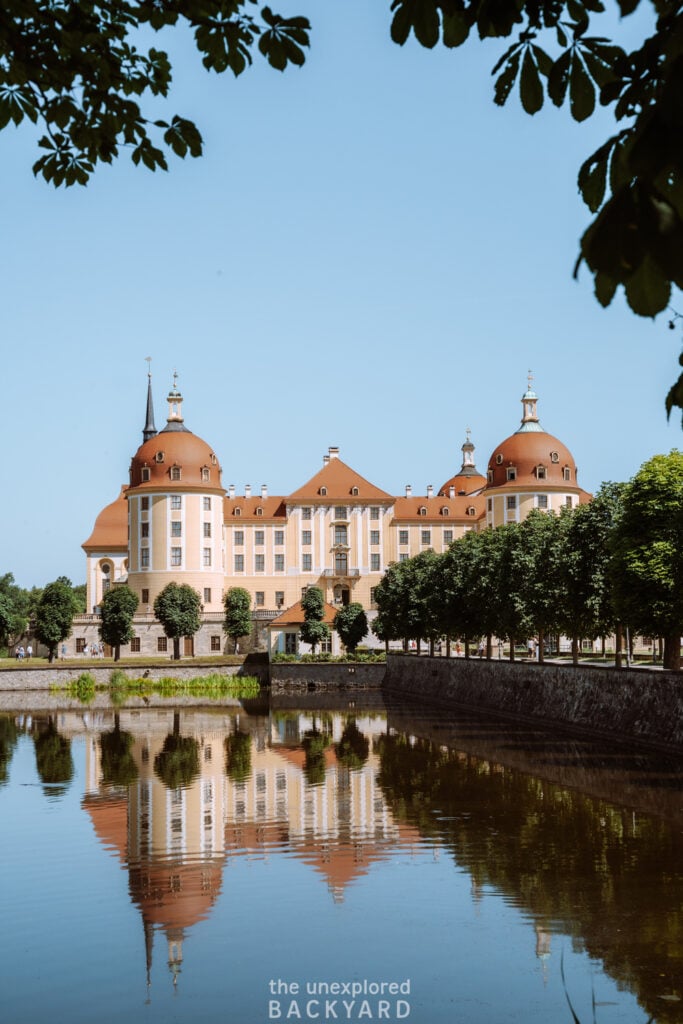
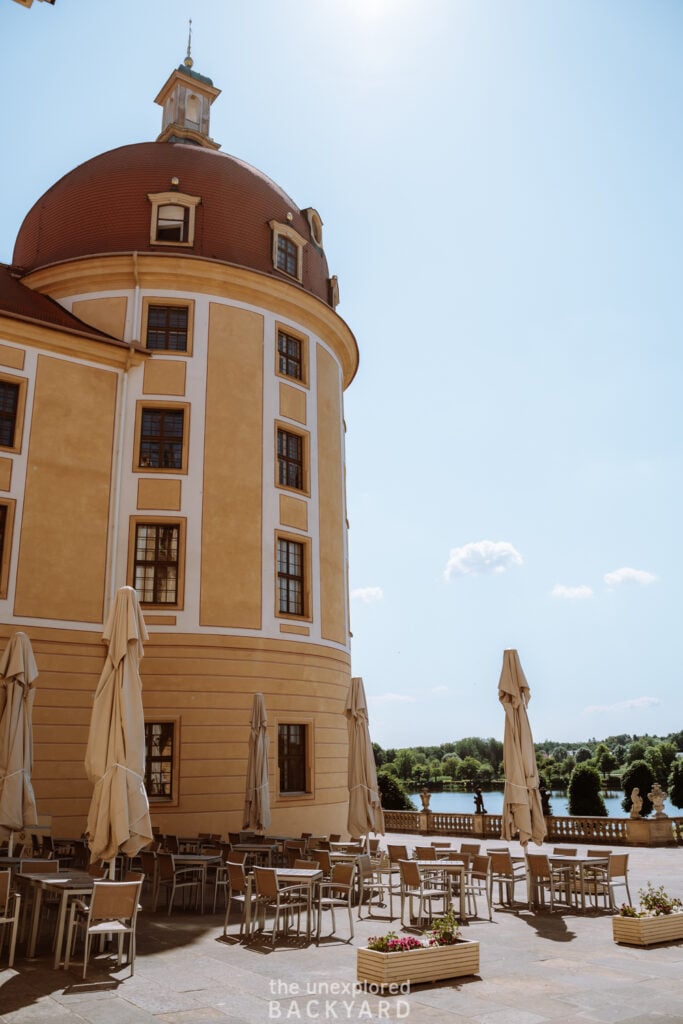
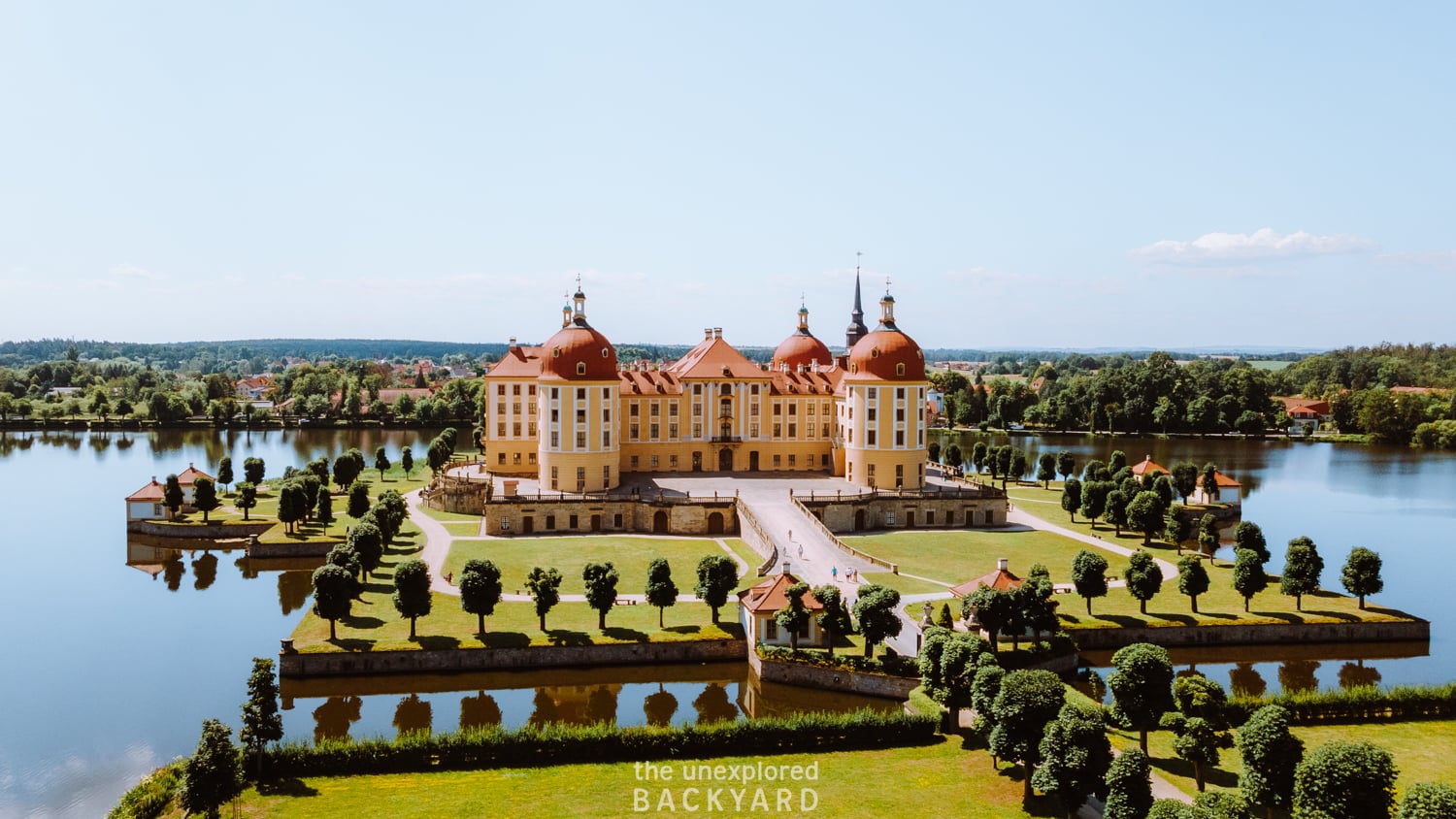
Schloss Moritzburg is a super special castle located close to Dresden thats definitely worth exploring. The castle is quite unique in its design and decor, as it’s painted all yellow. In addition, the castle is located in the middle of a lake, with a surrounding garden. Personally, I love visiting castles and exploring how their design differs quite drastically based on the region (or who commissioned it).
While Moritzburg Palace is super cute, it’s about an hour and 45 minutes away from Berlin. If you are a castle lover, then I definitely think that this is worthy of a day trip by itself. However, personally, I would recommend considering combining it with one of the other attractions in this list. From this list, I would recommend combining Schloss Moritzburg with either Schloss Wackerbarth (incredible winery) or with Dresden.
Personally, I combined Schloss Moritzburg with a weekend trip to Saxon Switzerland – you can find the full itinerary here.
Read More: Weekend in Saxon Switzerland National Park
How to get to Schloss Moritzburg
By Public Transport:
If you are coming by public transportation, then you can easily get to Moritzburg Castle by bus. Take bus number 477 from Dresden Liststraße towards Moritzburg Markt. After 20 minutes, get off at the Moritzburg Schloss stop, and you will arrive at the entrance to the castle.
By Car:
Set your navigation system to “Parkplatz Schloss Morizburg“. It will take you just over 2 hours to get here from Berlin and 20 minutes from Dresden. It costs 1.50 euros to park here for an hour. The parking lot is located right by the path to the castle, making it the perfect spot to stop for a beautiful nature break.
5. Rakotzbrücke
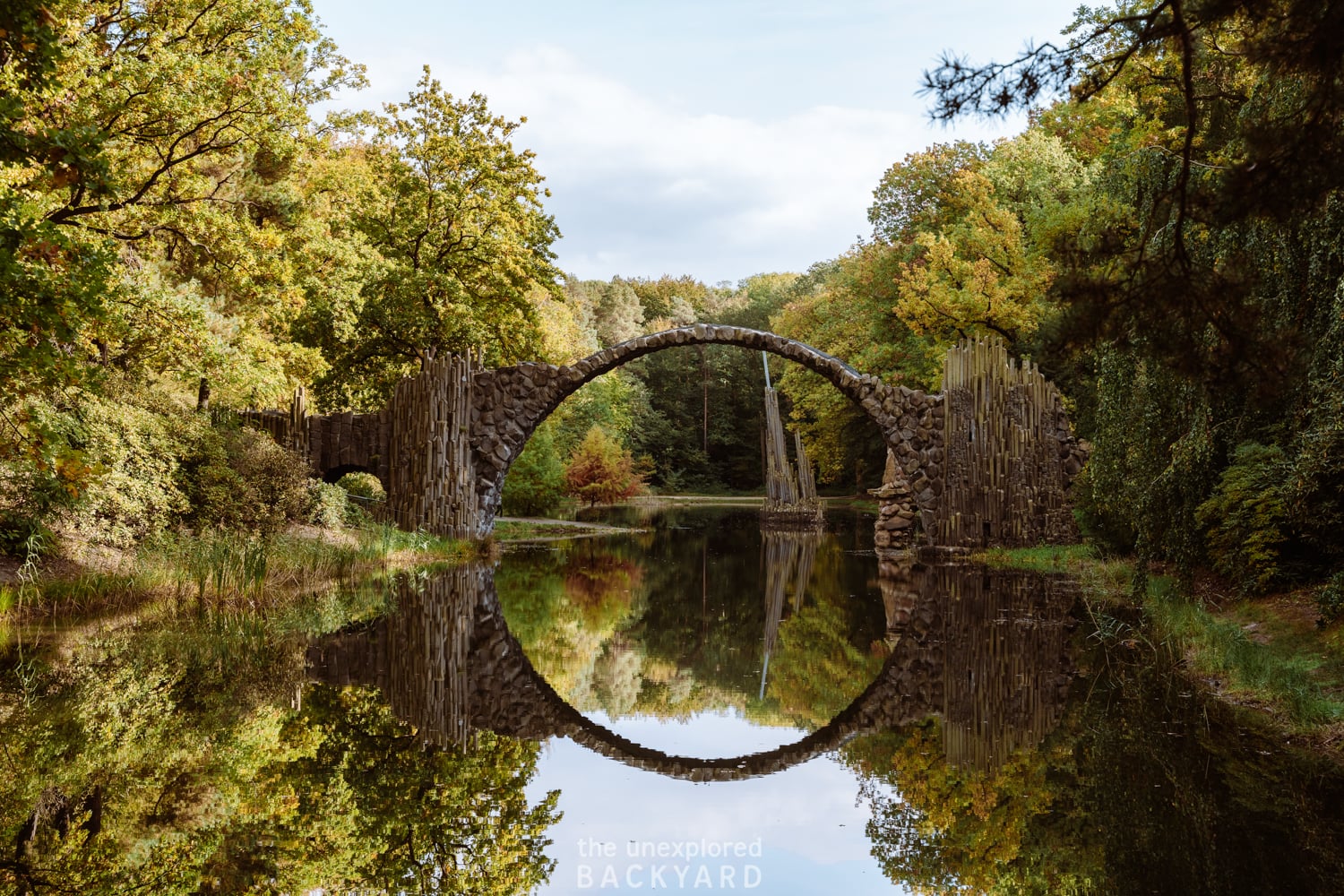
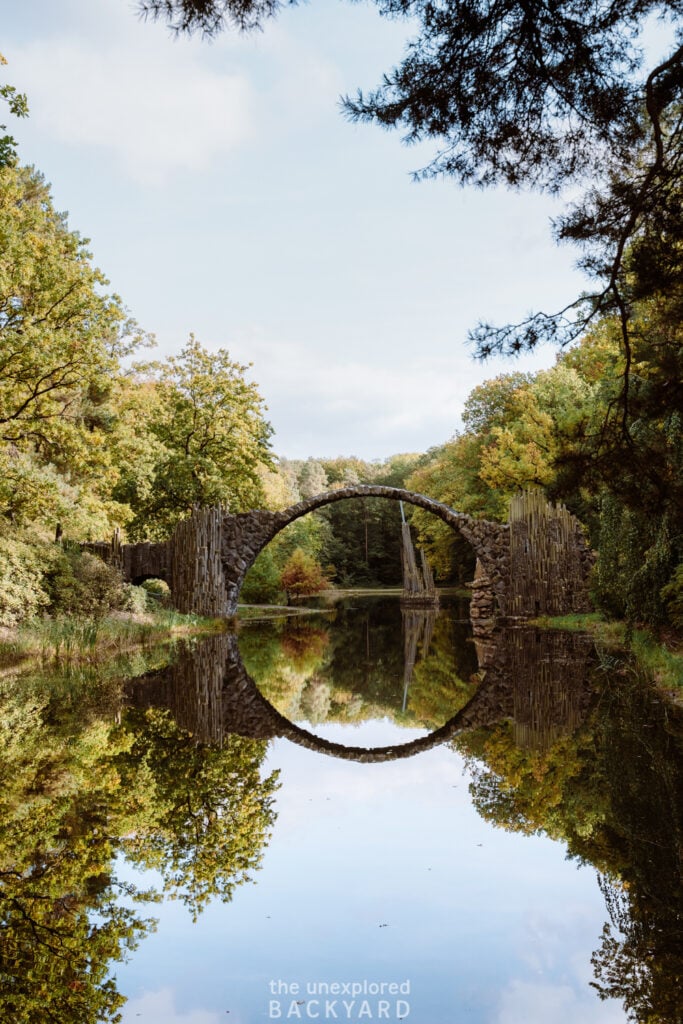
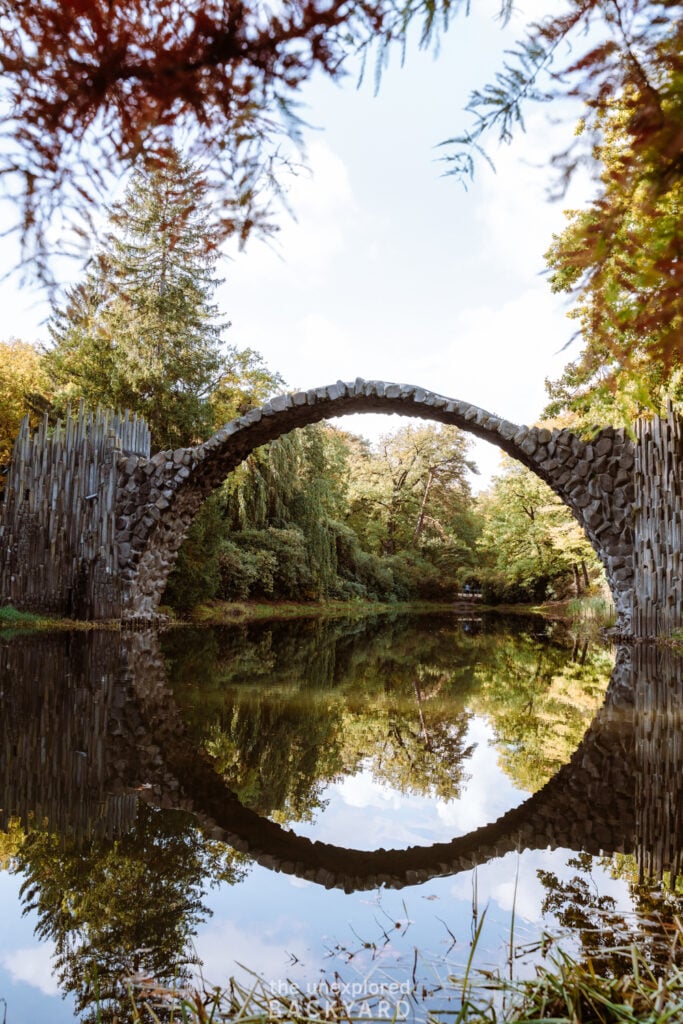
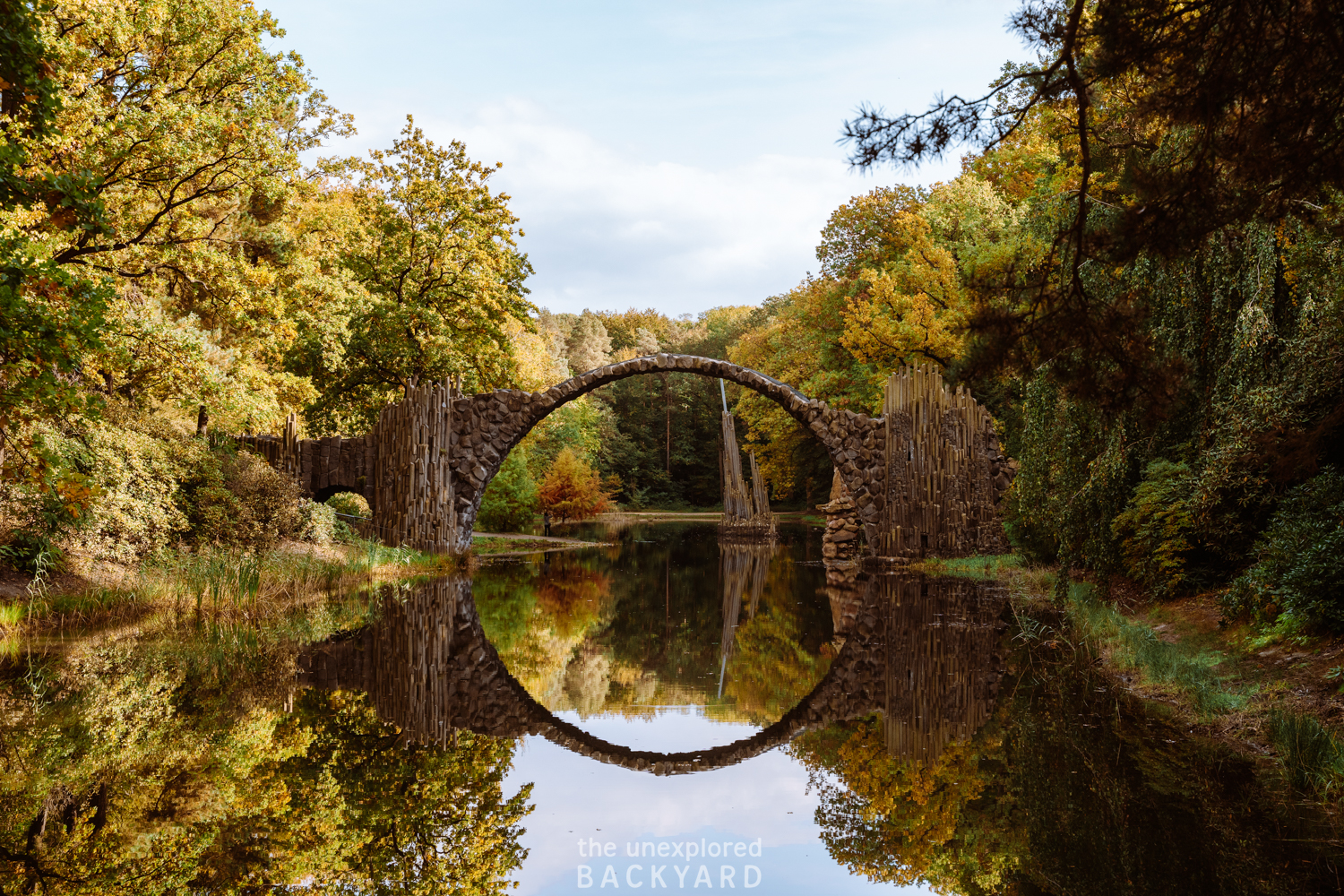
Rakotzbrücke translates to Devil’s Bridge and is a fairly well-known spot – especially among photographers. Located in Kromlau Park in Saxony, this fairytale stone arch was built in the 19th century and has become one of the most photographed bridges in Europe. Its nickname, “Devil’s Bridge,” comes from legends suggesting only the devil could have created such a perfect circle when reflected in the water.
The water is always quite still here, meaning that you can expect to get a beautiful circle reflection at any time of the day. That being said, I would highly recommend visiting on a sunny day for the best lighting conditions and to avoid very windy days. The best time to visit Rakotzbrücke, in my opinion, is during Autumn as the fall foliage here is simply breathtaking! That being said, the lake is also surrounded by a rhododendron park, which is in bloom in late spring, so this would also be an amazing time to visit.
Overall, I think Rakotzbrücke is an amazing day trip from Berlin, and definitely a worthy spot to visit. However, once again, I would recommend that you pair it with another attraction nearby to make the most of your drive out here. I combined a visit here with Schloss Muskau, which is nearby, and it was the perfect day out. For a full guide to visiting Rakotzbrücke, check out my guide below!
Read More: How to visit Rakotzbrücke – Devil’s Bridge
How to get to Rakotzbrücke
By Public Transport:
Getting to Rakotzbrücke by public transport is a little more complicated, but still doable! I will say that if you decide to visit by public transport, it will likely take closer to 3-4 hours to get here. Therefore, I would recommend considering staying overnight to avoid stress about time. Below is the exact route I would recommend.
Start by taking the train from Berlin Ostbahnhof to Cottbus Hauptbahnhof (RE 2). It should take roughly 1 hour and 20 minutes. Then switch to the RB65 towards Zittau, Bahnhof, getting off at Weißwasser (Oberlausitz). The train runs roughly every hour, and this part of the journey takes 32 minutes. Once at Weißwasser Bahnhof, take bus 78 to Schleife Bahnhof and get off at Kromlau (11 minutes). From here, it takes 10 minutes to walk to the park where Rakotzbrücke is located.
By Car:
Rakotzbrücke (Devil’s Bridge) is located roughly 162 km from Berlin. If you have a car, then you can easily visit the area as a day trip, as it takes 2 hours to drive here. There is a parking lot located close to Rakotzbrücke; you can find the exact location here. The machine here only takes coins, and while it shouldn’t be expensive, make sure to have at least 5 euros with you just in case. This is a fairly remote area, and prices are subject to change, so it’s best to be prepared 😅. As far as I know, it should cost 3 euros for 2 hours!
If you are visiting Berlin without a car and would like to rent one for day trips, then I highly recommend checking out SunnyCars, which I have been using for years! They offer competitive prices and all-inclusive insurance, as well as perks such as free cancellation and unlimited mileage.
6. Schloss Muskau
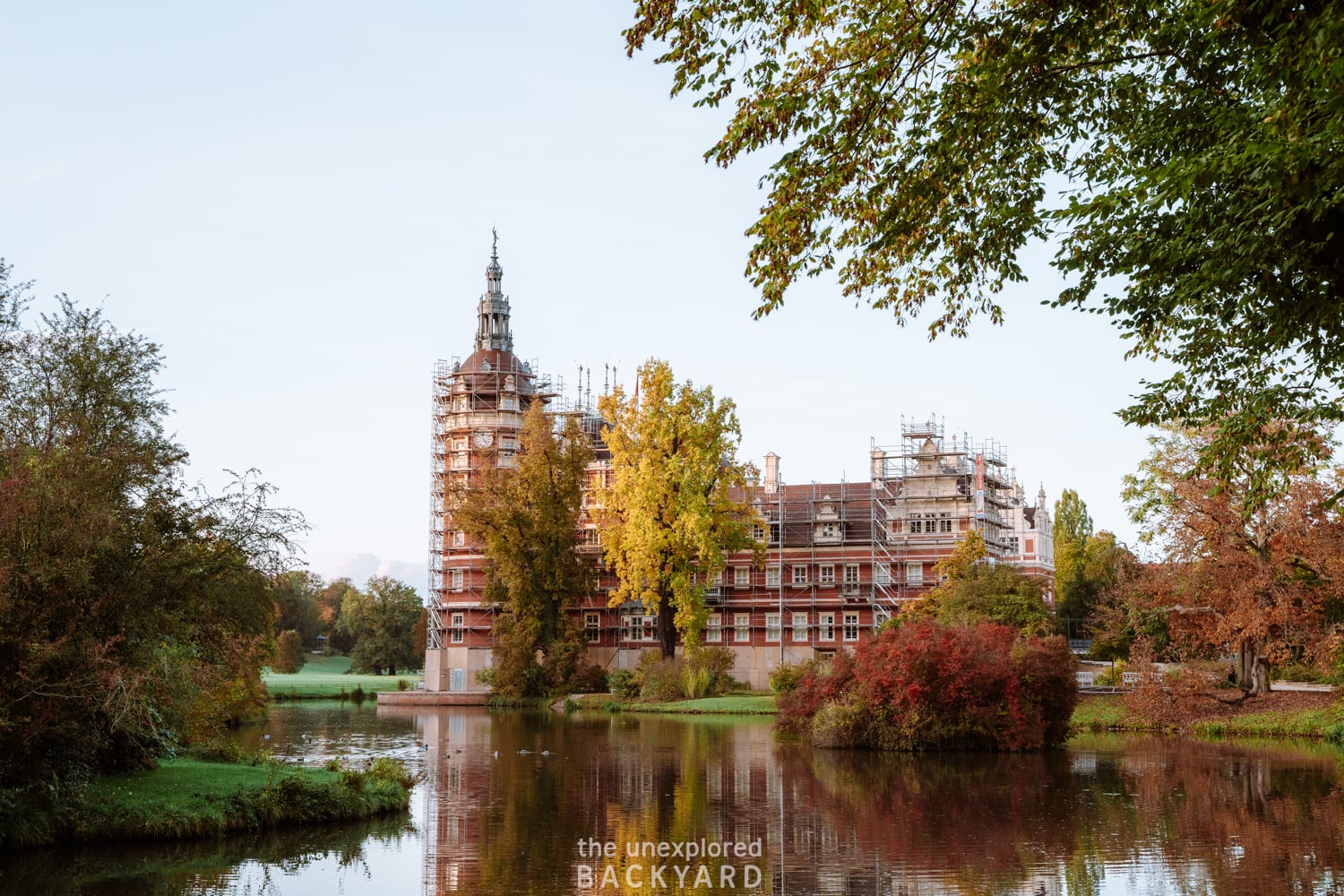
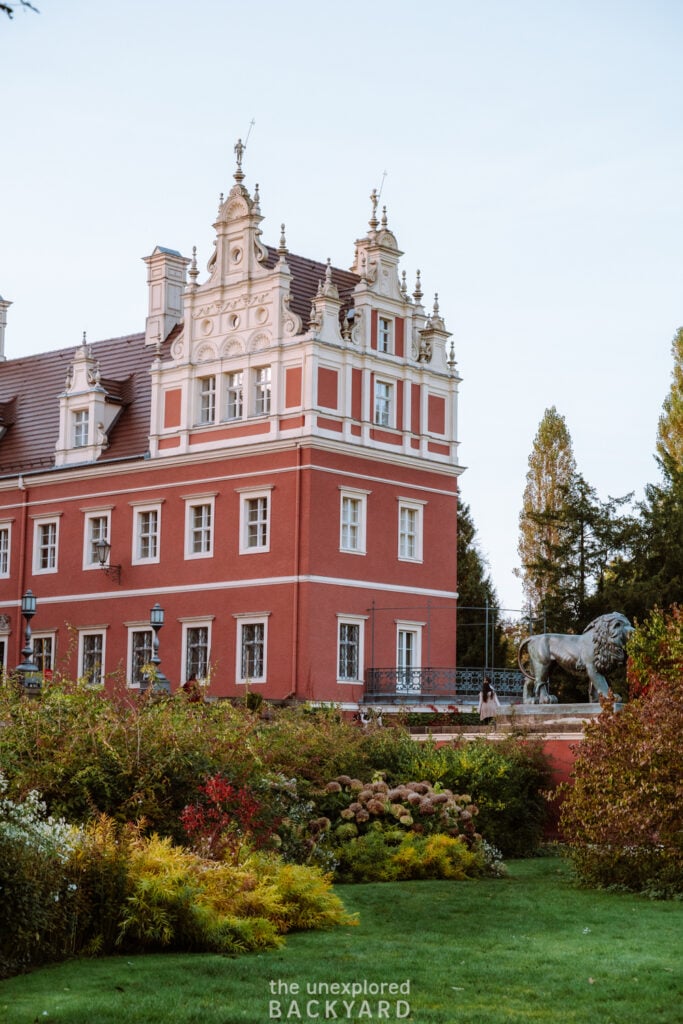
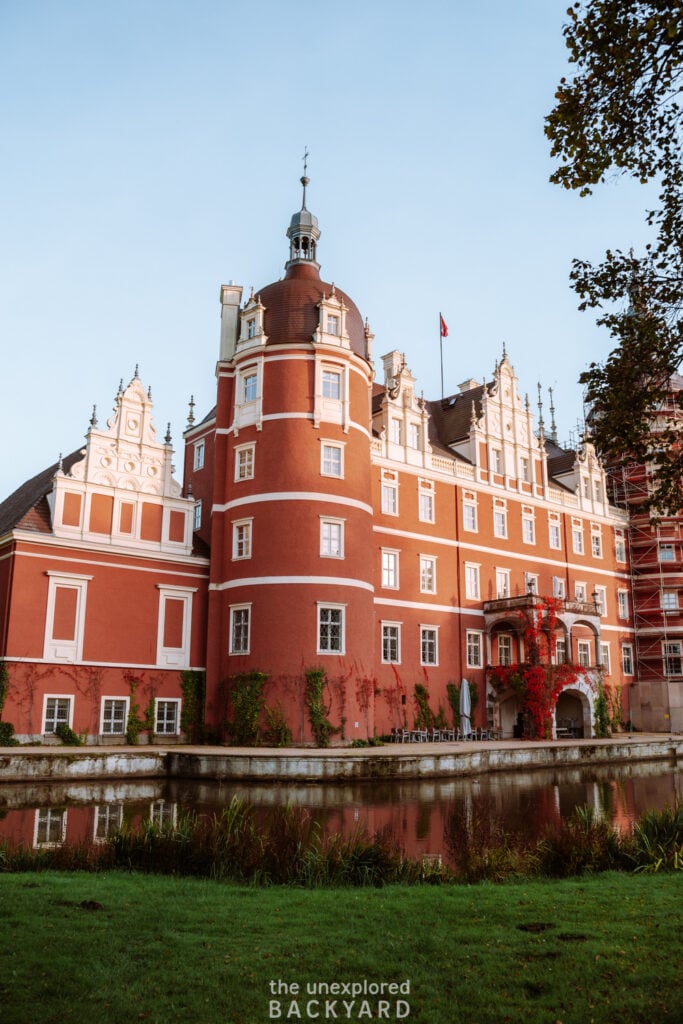
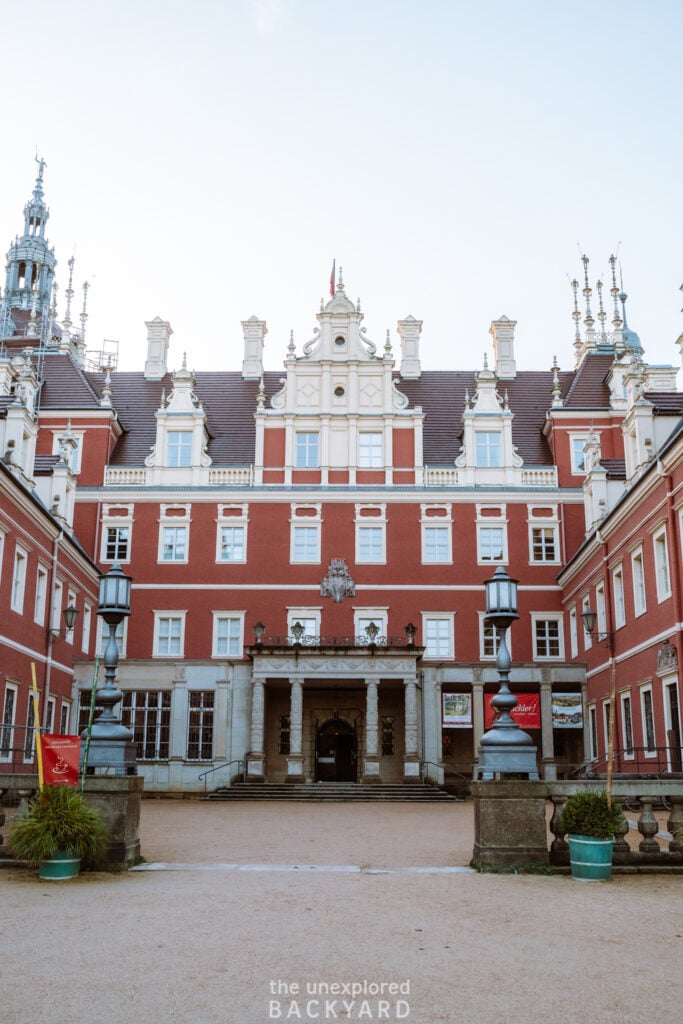
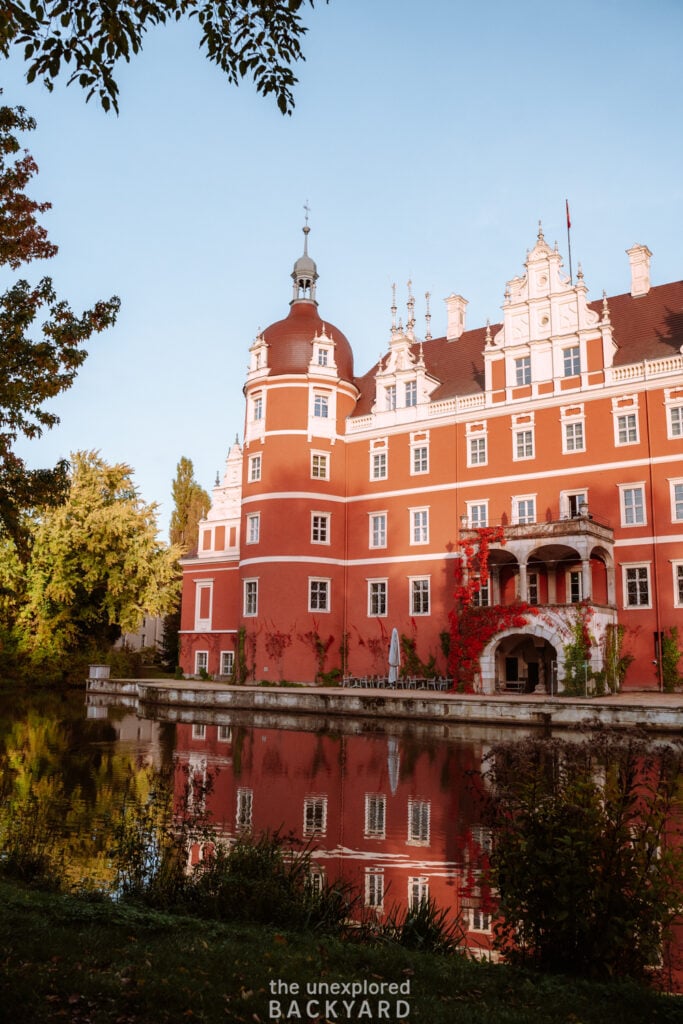
Schloss Muskau is one of the prettiest castles that I have seen near Berlin. Located just a 10-minute drive from Rakotzbrücke, it’s an absolute must-see attraction. The pink castle is a UNESCO World Heritage Site, and the garden actually stretches across the border into Poland. Like most castles in Germany, it is completely free to wander the castle gardens, which are just beautiful. The castle is located on a lake and boasts some of the most impressive architecture that I have ever seen!
The park is around 1700 acres in size, which means that you could easily spend a few hours just exploring the area! I absolutely loved wandering around here and enjoying the beautiful autumn colors.
How to get to Schloss Muskau
By Public Transport:
Start by taking the train from Berlin Ostbahnhof to Cottbus Hauptbahnhof (RE 2). It should take roughly 1 hour and 20 minutes. Then switch to the RB65 towards Zittau, Bahnhof, getting off at Weißwasser (Oberlausitz). The train runs roughly every hour, and this part of the journey takes 32 minutes. This is the same spot you need to get to for a bus to Rakotzbrücke in case you want to combine your visit.
Once at Weißwasser Bahnhof, take bus 80 to Bad Muskau for 17 minutes. Get off at Bad Muskau Kirchplatz, then it’s just a 7-minute walk to the castle.
By Car:
The castle is located right by the village of Muskau, so you can easily find parking around the village. I would recommend setting your GPS for this parking lot, and if it’s full, then just drive around until you find a spot.
7. Wannsee
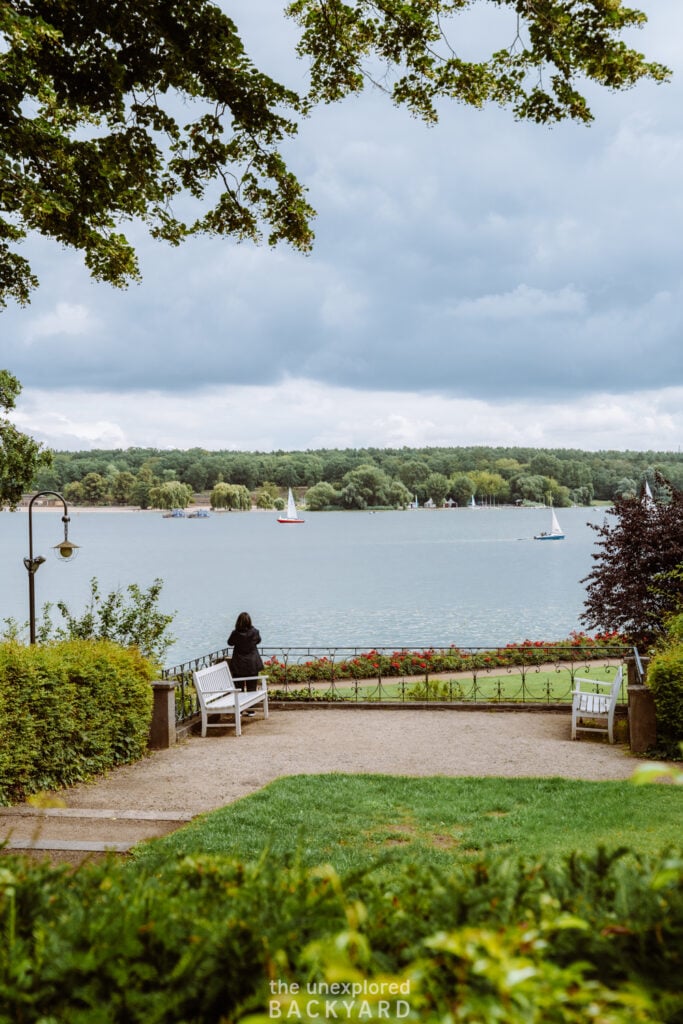
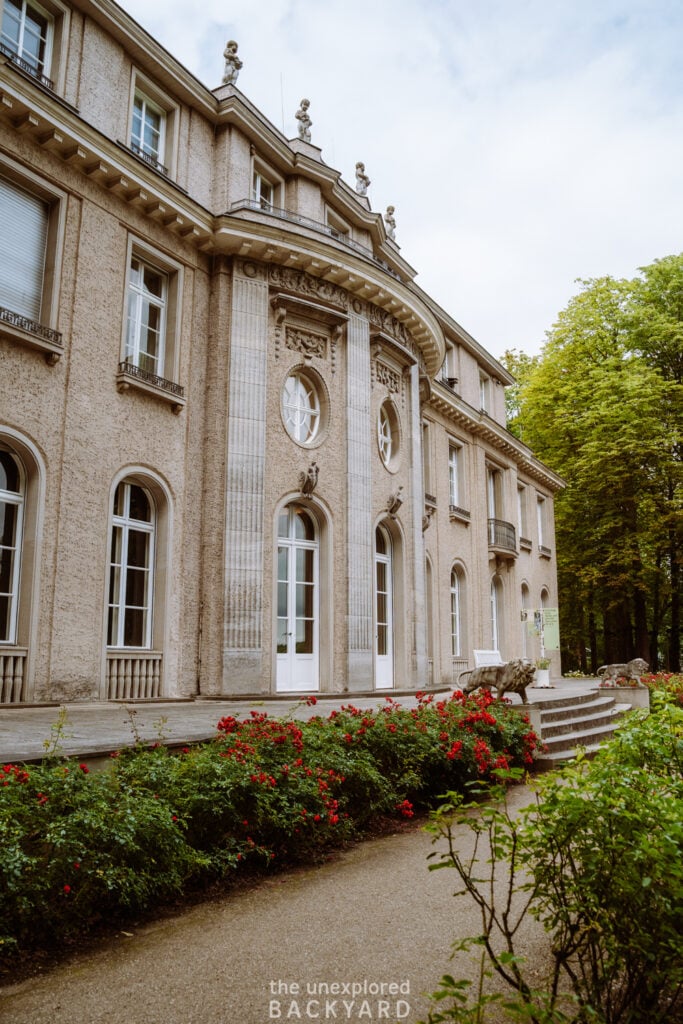
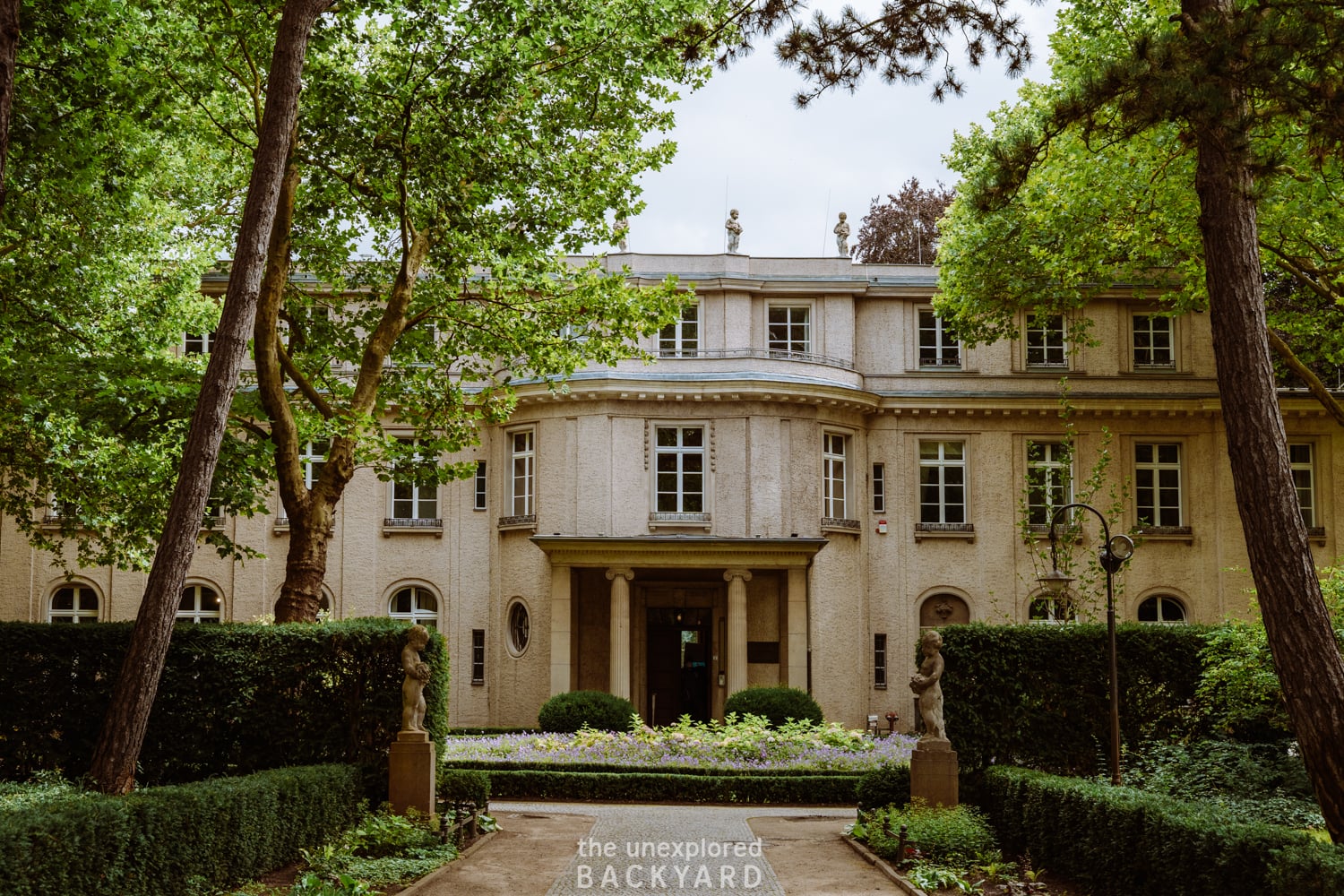
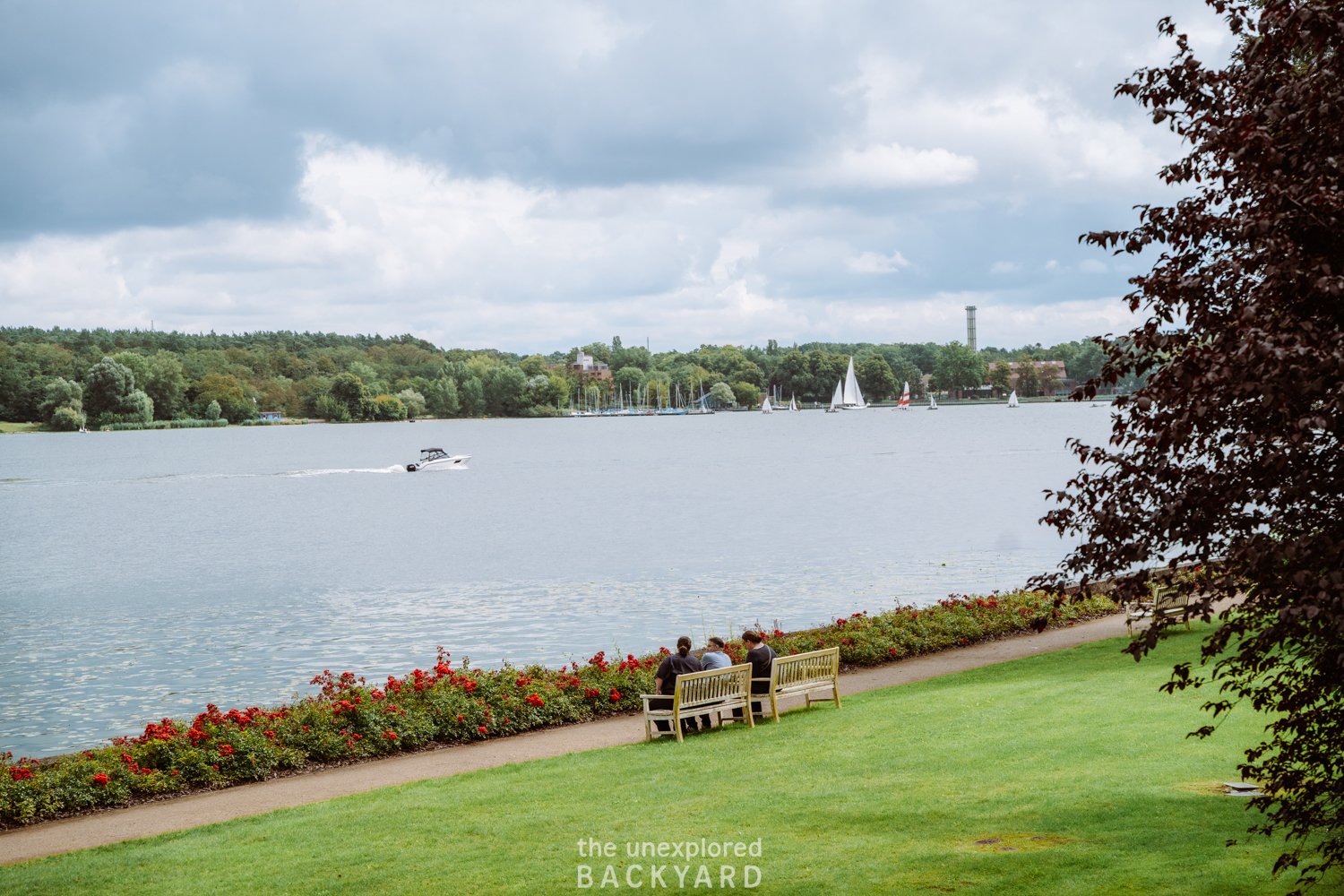
Wannsee is one of the most famous places near Berlin, historically known for the Wannsee Conference in Villa Wannsee, where the final solution was decided upon during World War II. This makes Wannsee the most important historical day trip from Berlin. Wannsee is its own little island located just before Potsdam. While it’s well known for its historical importance, Wannsee is also home to one of the most popular beaches near Berlin. Strandbad Wannsee is a popular beach located just across the water from Villa Wannsee.
In general, there are a lot of things to do in Wannsee. From going to the beach and exploring Villa Wannsee, there is also Peacock Island, which you can take a ferry to. Here you can find a small island with a fun, small Disney-style castle, a beautiful garden, and some free-roaming peacocks! You can also visit Schloss Cecilienhof, located nearby in the outskirts of Potsdam. This is where the Potsdam Conference was held at the end of World War II, where Churchill, Truman, and Stalin met to plan the post-war plans, and divide Germany into 4 occupation zones.
Lastly, if you visit Wannsee during the summer, I highly recommend taking a boat tour to enjoy the area. It is completely surrounded by water, with lots of beautiful castles lining the waterfront. This is one of the prettiest places near Berlin in the summer, so spending some time on the water is a must!
How to get to Wannsee
By Public Transport:
The route for getting to Wannsee will highly depend on where exactly you want to go. I have outlined the route for getting to either Villa Wannsee or Strandbad Wannsee below. Getting to Villa Wannsee from Berlin Central Station is very easy and takes roughly 35 minutes. Take the RE1 regional train to Brandenburg Hauptbahnhof for 17 minutes, getting off at Wannsee. From S Wannsee Bahnhof take the 114 bus towards Heckeshorn for 7 minutes, getting off at Haus der Wannsee-Konferenz. For the Strandbad Wannsee beach, all you need to do is take the S7 train from Berlin Central Station towards Potsdam. Ride it for 23 minutes, getting off at Nikolassee. From here it’s a 20-minute walk to the beach, making the total journey approximately 45 minutes from Berlin.
While you can visit both spots by car, I wouldn’t recommend it. It’s super easy to visit Wannsee by public transport, and parking here can often be limited and expensive. If you would still like to visit by car, simply look for the nearest parking lot in your navigation system.
8. Baumkronenpfad Beelitz Tree & Time
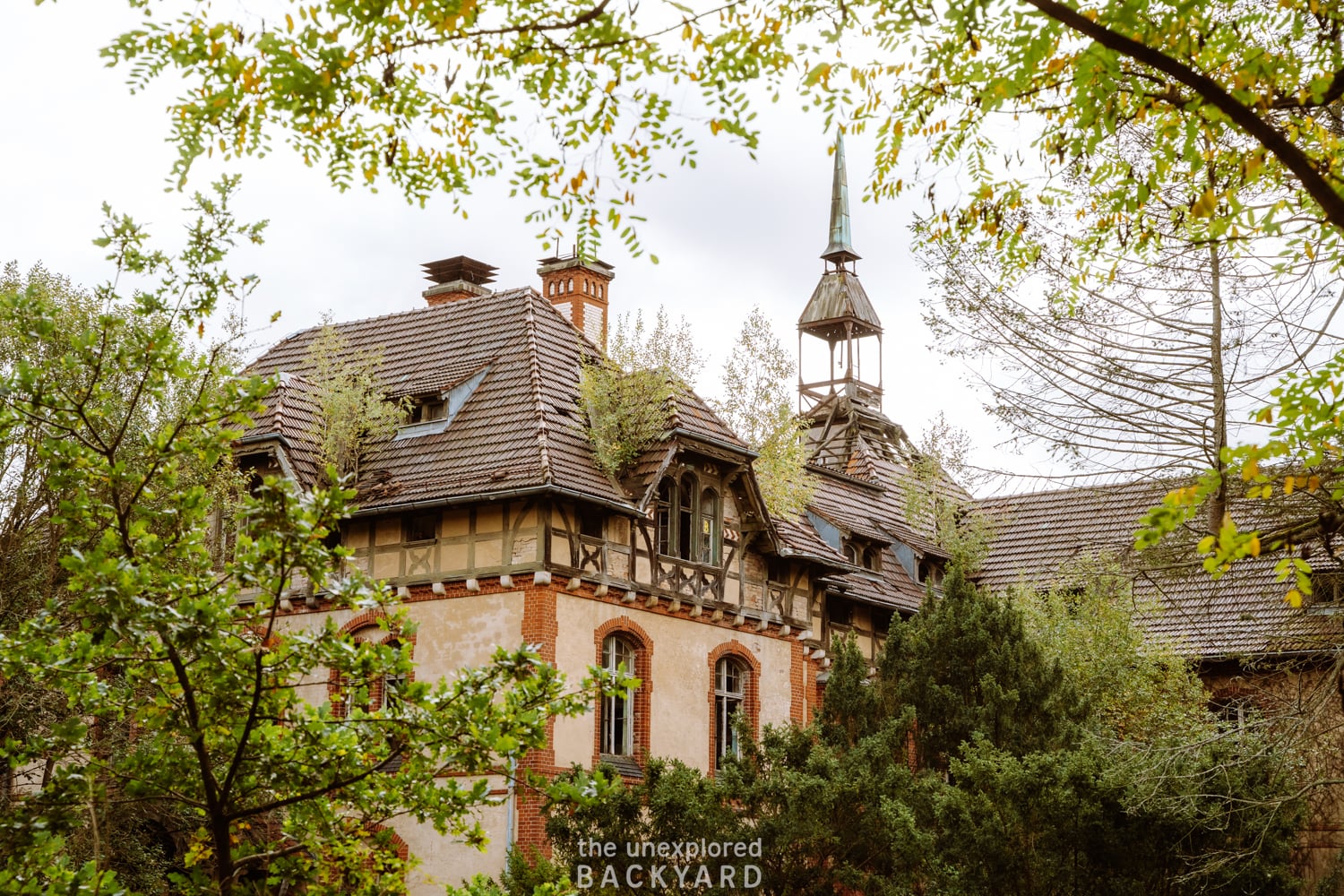
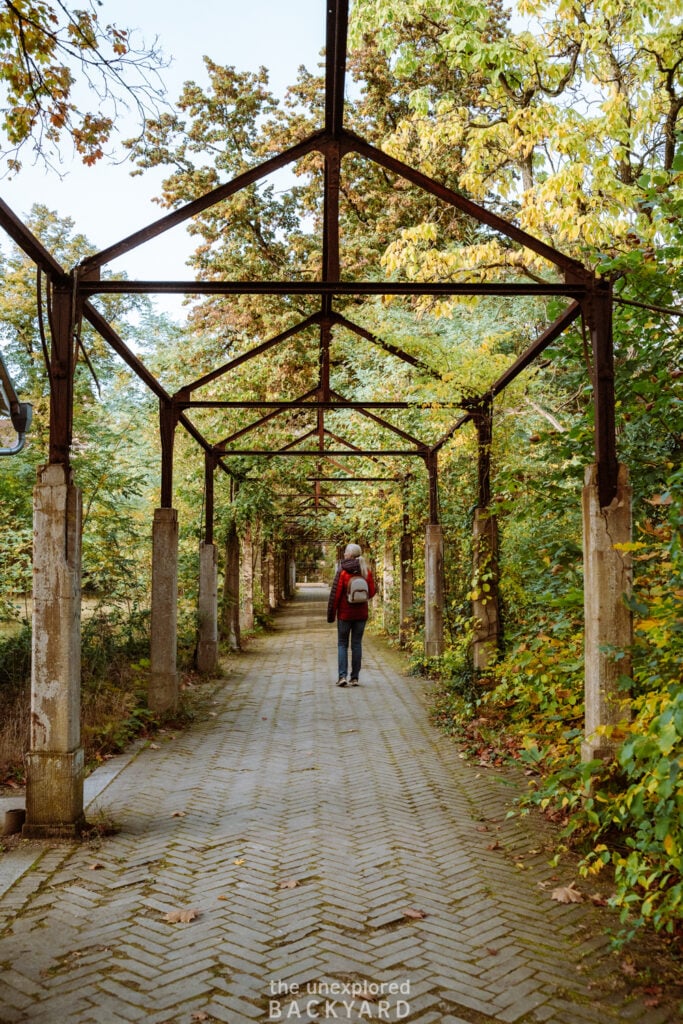
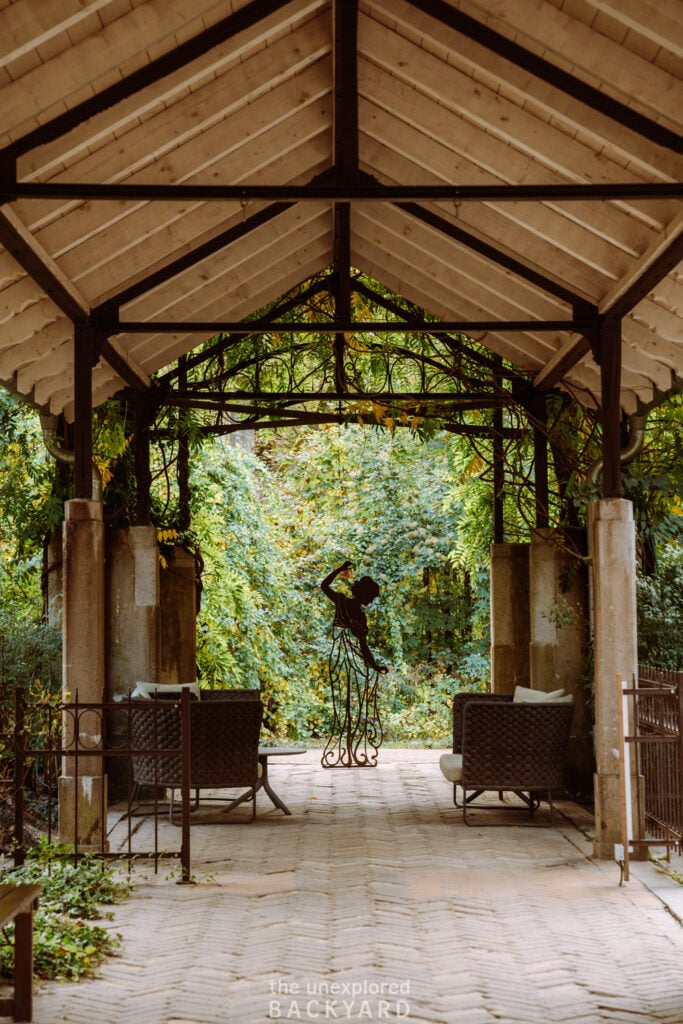
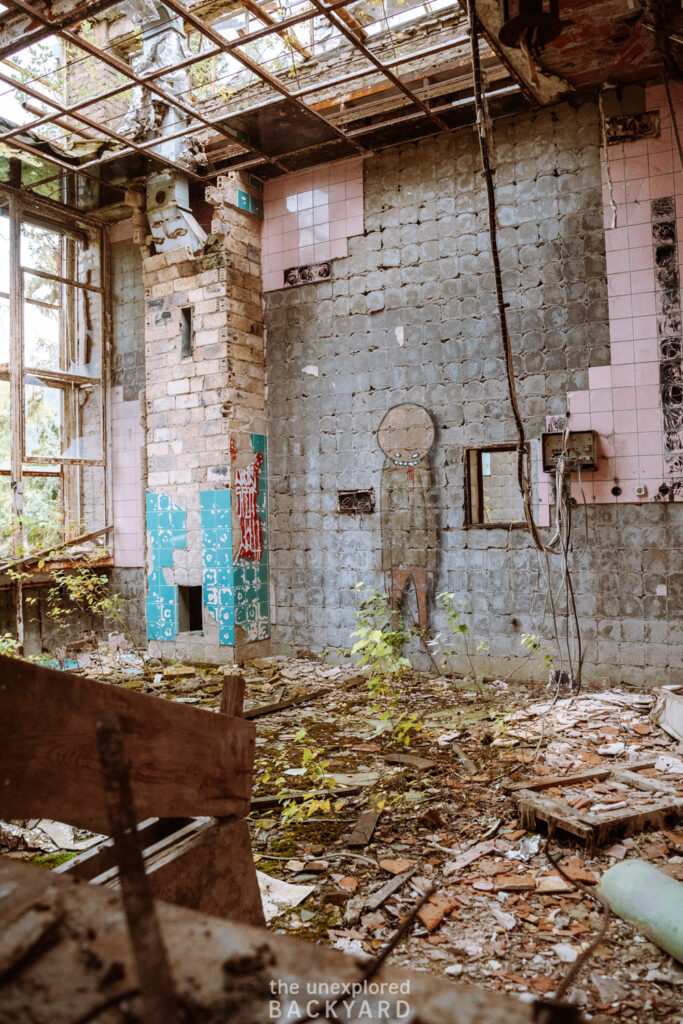
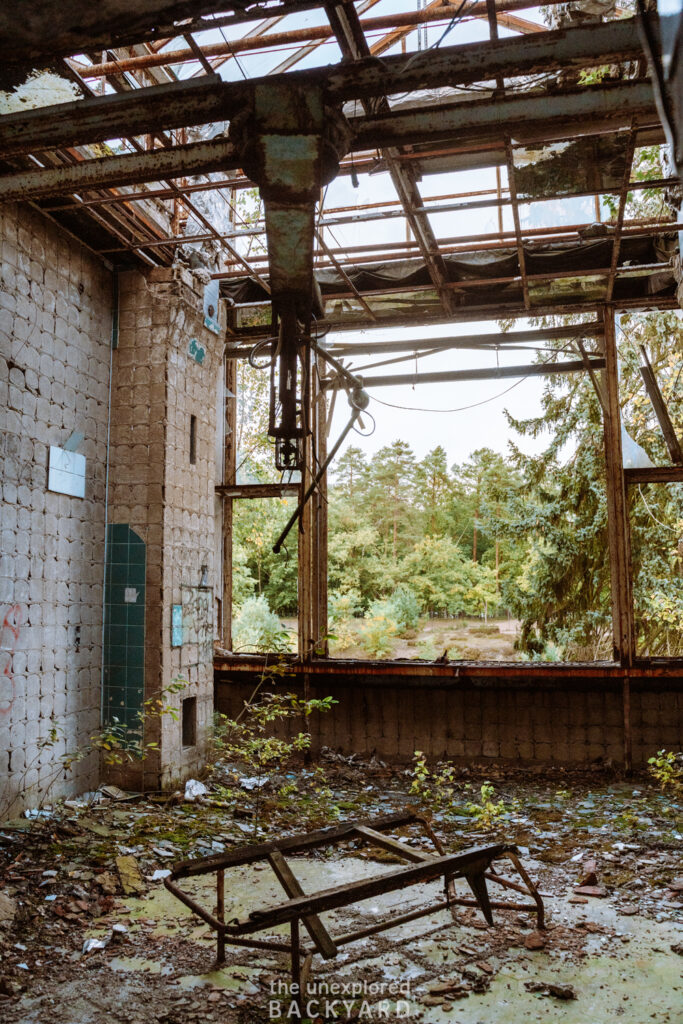
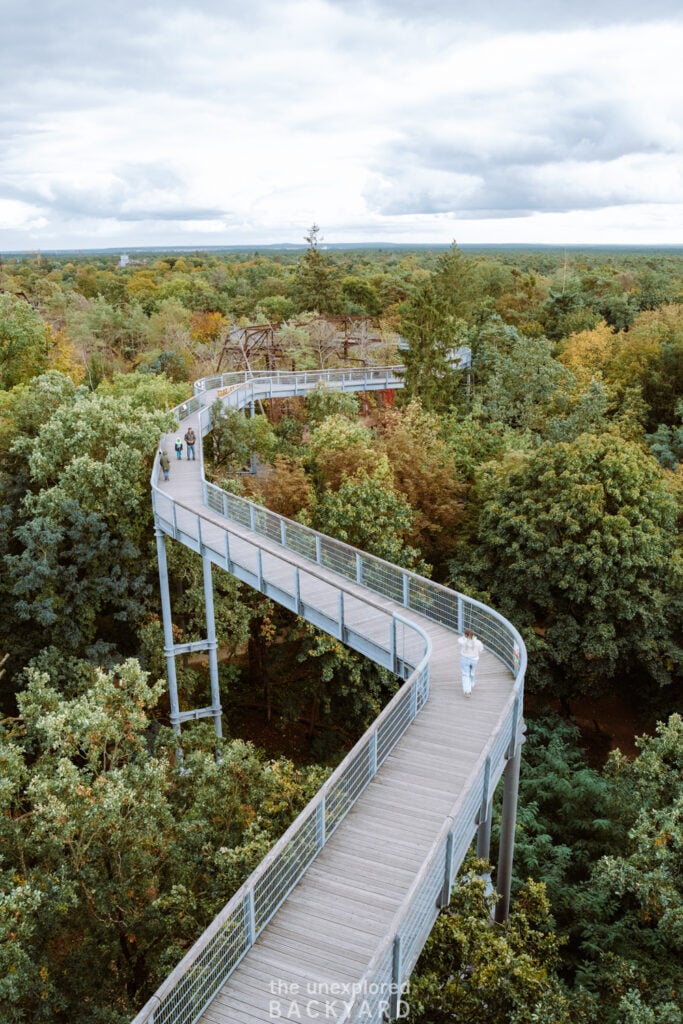
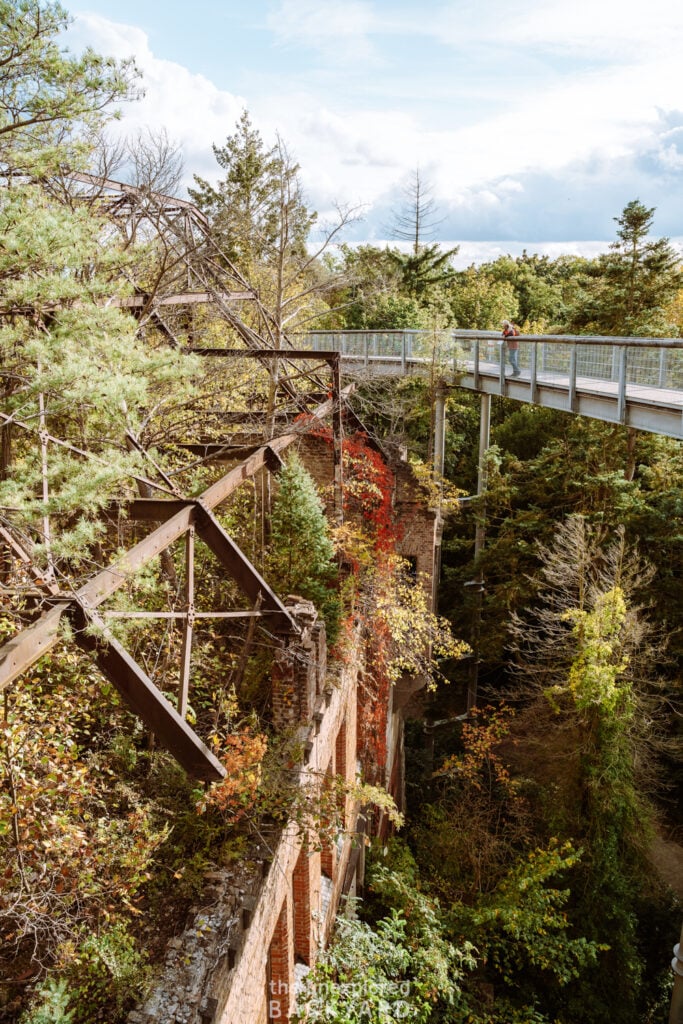
Baumkronenpfad Beelitz Tree & Time is one of the most fascinating day trips from Berlin. This park is actually an old sanatorium that was built in the early 1900s to treat tuberculosis patients. It was mostly ruined in World War II, and the buildings that survived were mostly used as a hospital for the Red Army until 1994. After that, it was mostly abandoned, and today you can visit the site to explore the buildings. You can learn about how they treated tuberculosis patients, explore how nature has taken over some of these buildings, and walk along a canopy walkway with stunning views of the area.
Berlin is well known for its harsh history and alternative attractions, and Baumkronenpfad Beelitz is the perfect example of this! This park is the perfect mix of eerie vibes and fascinating history that, in my opinion, makes it a must-see. If you are a photographer like me, then you will also love capturing the interiors of the abandoned buildings!
Entrance Fees
It costs €17 to enter the park per adult, with children’s tickets (7 – 17 years old) costing €12 per person. There are also several discounts available, which you can check out here. Opening hours and days depend on the season of the year. Typically, the park is open daily during the summer, but is open only on weekends in winter. I highly recommend checking the opening times on the official website when planning a visit.
Lastly, the entrance fee includes access to the park and the treetop walkway. While you will see many abandoned buildings here, you can only explore the interior on a guided tour for safety reasons. If you are planning a visit, I highly recommend booking this extra guided tour, as the building interiors are the most interesting part here, in my opinion. There are several tour options, but I took the one of the old surgery building, which cost around €12.50 per person. You don’t need to book in advance (it can also be difficult to find information online). Instead, I recommend booking a tour when you are there, either by asking the information office or scanning the QR code on the fliers for tours located around the park.
How to get to Baumkronenpfad Beelitz
By Public Transport:
It’s surprisingly easy to visit Baumkronenpfad Beelitz by public transport for a day trip from Berlin! From Berlin Central Station, take the regional train RE7 towards Dessau Hauptbahnhof. Ride it for 43 minutes, getting off at Beelitz-Heilstätten, then walk for 10 minutes to get to the park. Overall, it should take you just under an hour to get here!
By Car:
Getting to Baumkronenpfad Beelitz by car takes around an hour, depending on traffic, meaning it’s not necessarily faster than public transport. The parking lot is located just by the park entrance, and you can find the exact location here. The parking lot is large and made of gravel, costing around €3 for the day.
9. Schloss Wackerbarth
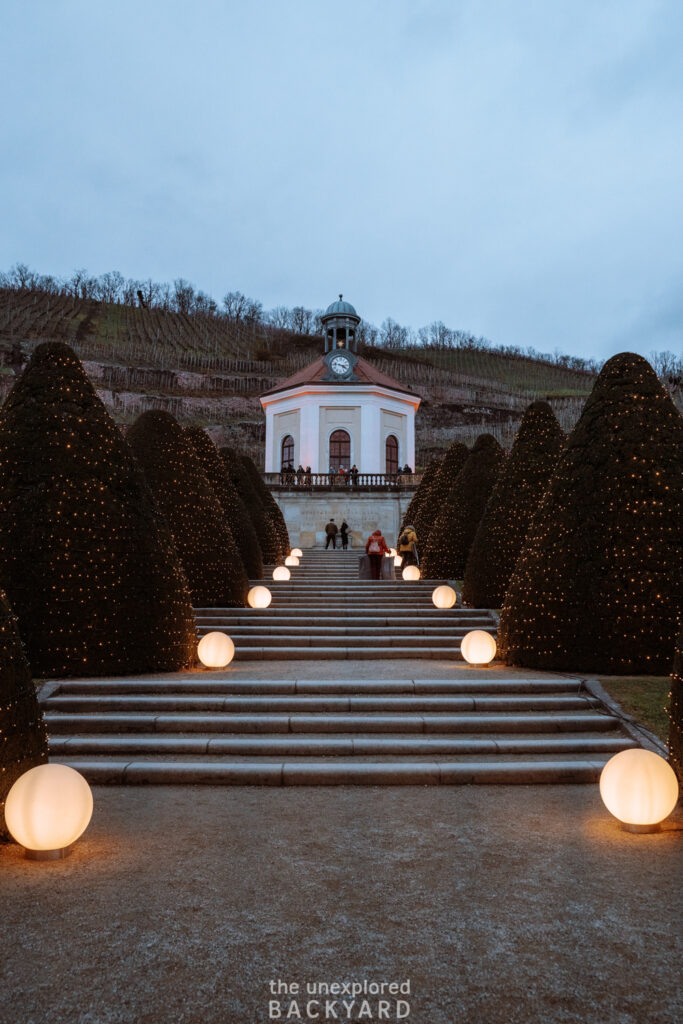
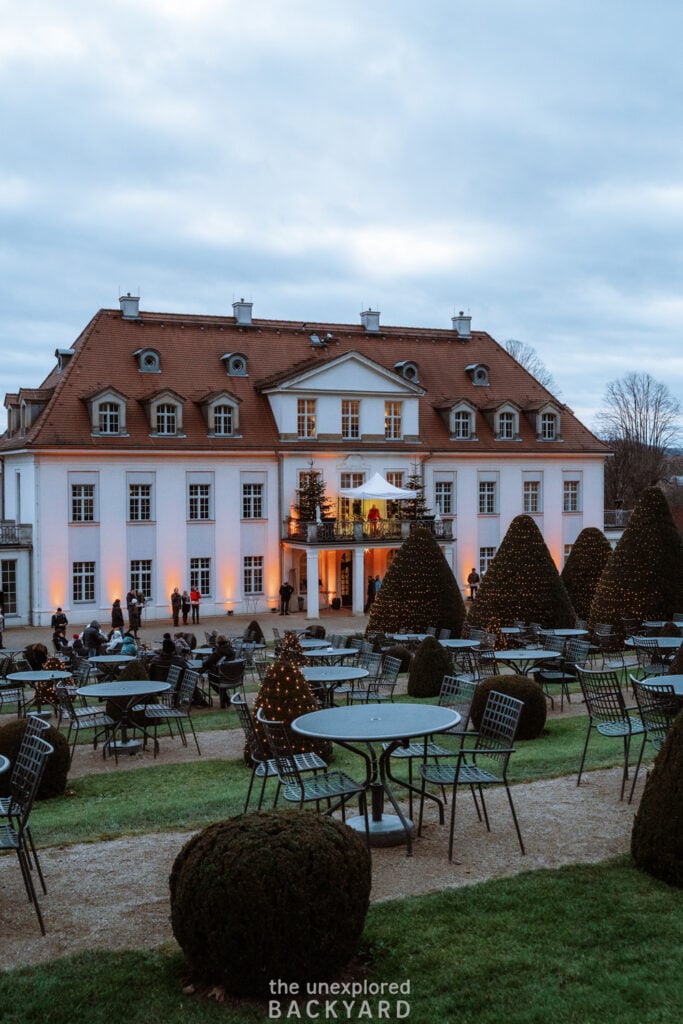
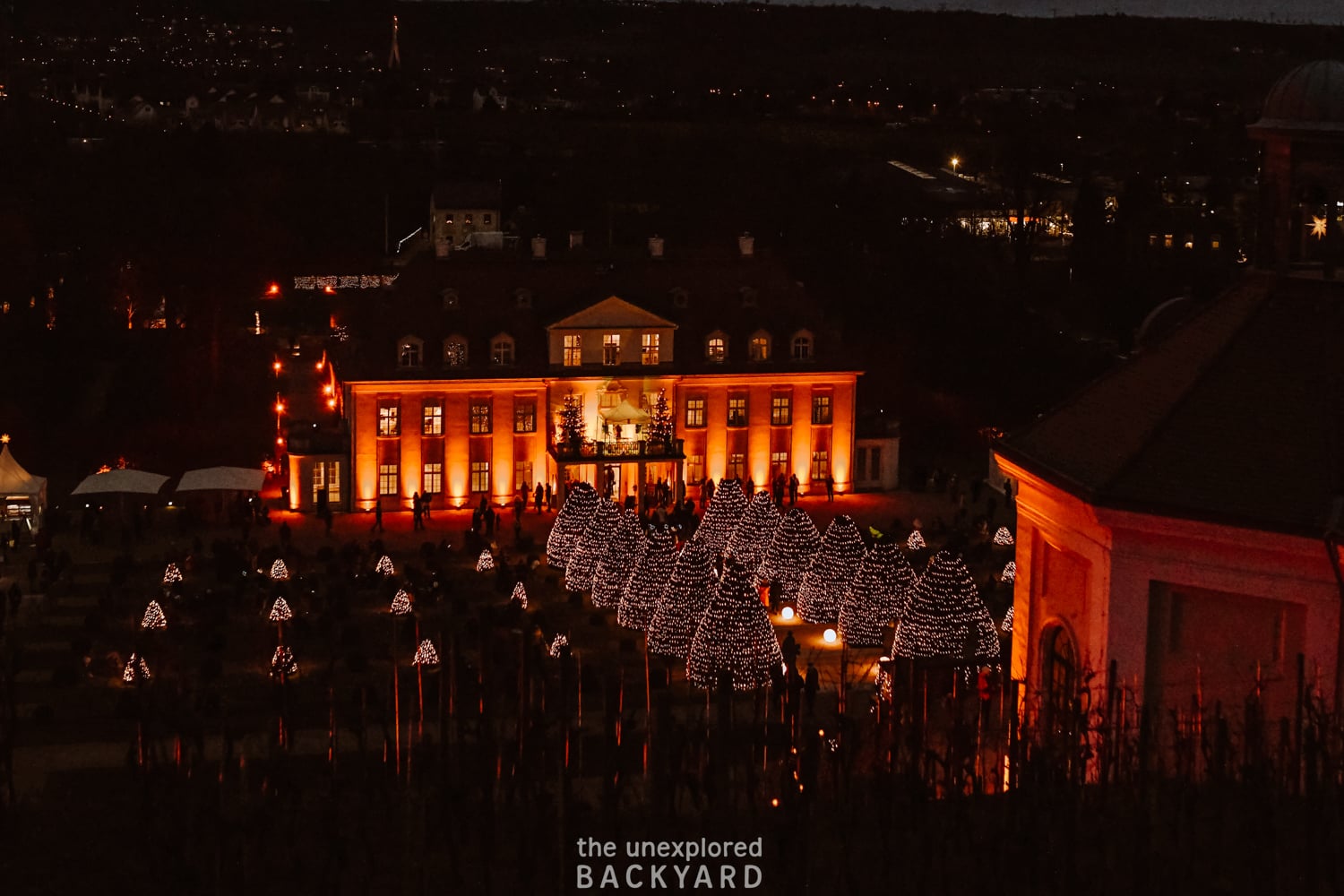
You might be surprised to hear that there are actually several wineries you can visit as a day trip from Berlin. While this region is not that well known for its wineries, I have been to a few, and I can highly recommend it! My favorite winery that you can visit as a day trip from Berlin is Schloss Wackerbarth. This has to be one of the prettiest wineries I have ever been to! The vineyard is located close to Dresden, making it a perfect place to combine with either a visit to the city or Schloss Moritzburg.
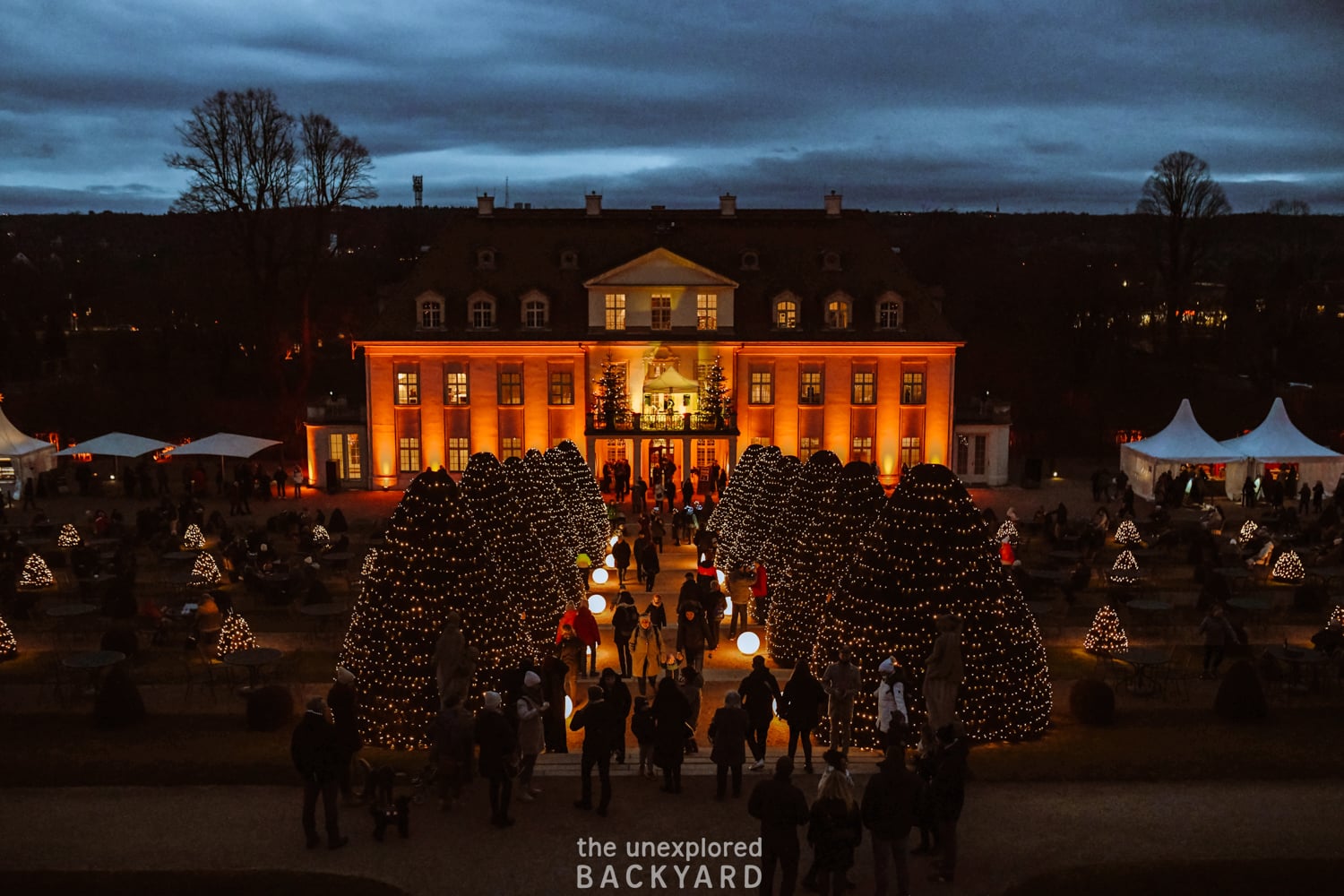
You can visit on a guided tour to explore the vineyard. You can find more info on dates and entrance fees here. Make sure to also check out if they have any special events during your trip! I went during Christmas time for their Wine & Light event, which was just magical! During this time, the winery is decorated with lights, and visitors can come and enjoy wine and some snacks while listening to live music out on the balcony. Tickets are typically limited, so whichever choice you go with, I recommend booking it in advance.
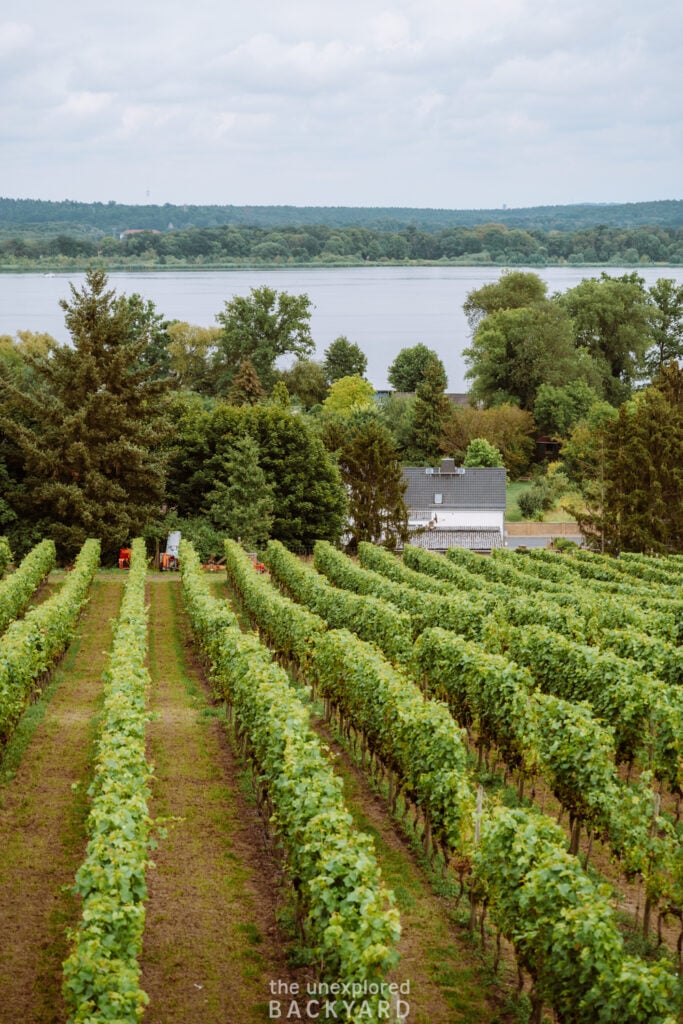
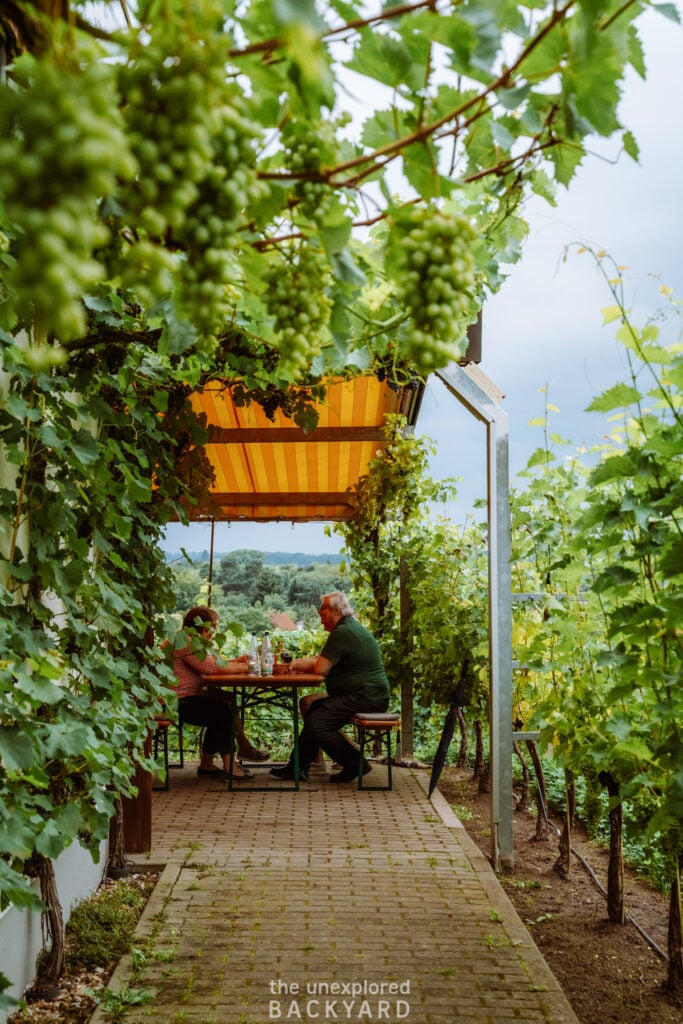
Pro Tip: If you would like to visit a winery located closer to Berlin, then you can also find an amazing option near Potsdam! One of my favorite white wines is from Dr. Lindicke Winery, which is open to visitors in the summer (and when they have events). This is definitely a hidden gem for a day trip from Berlin, and we only found out about it by chance! I guarantee that you will be surrounded by only locals if you visit. You can find directions for getting to the winery here.


How to get to Schloss Wackerbarth
By Public Transport:
If you are visiting by public transport, then you can also take tram number 4 from the city center towards Weinböhla. The journey takes around 30 minutes, and you should get off at the Radebeul Schloss Wackerbarth stop.
By Car:
If you are arriving by car, then it’s only a 20-minute drive to get here from Dresden. You can find a parking lot for winery visitors next to the winery on Wackerbarthstraße, or click here for the exact location.
10. Saxon Switzerland National Park
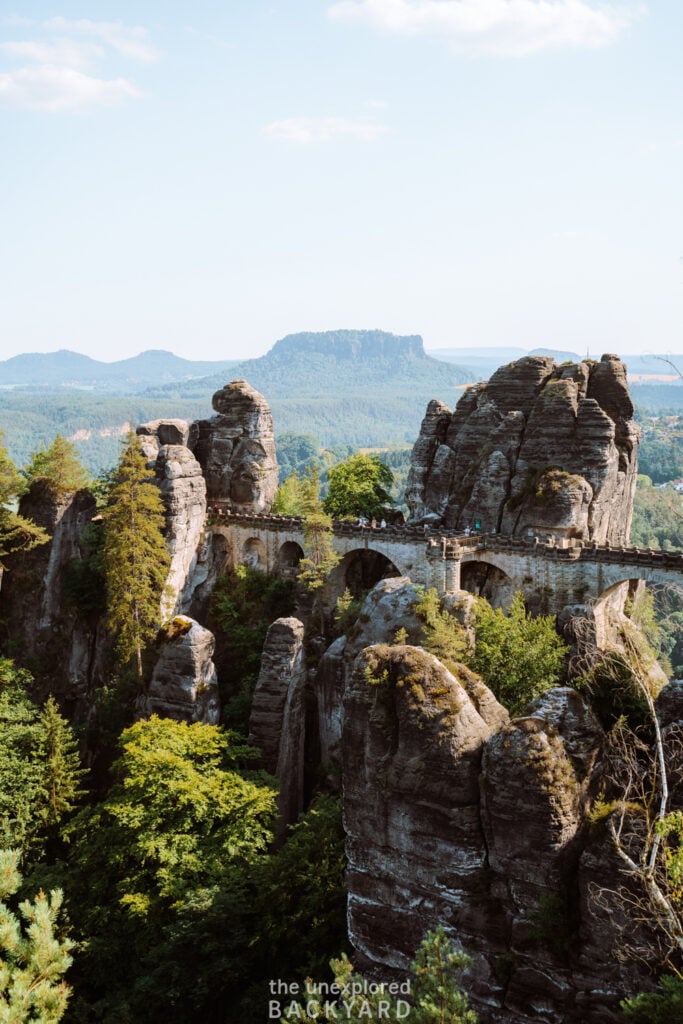
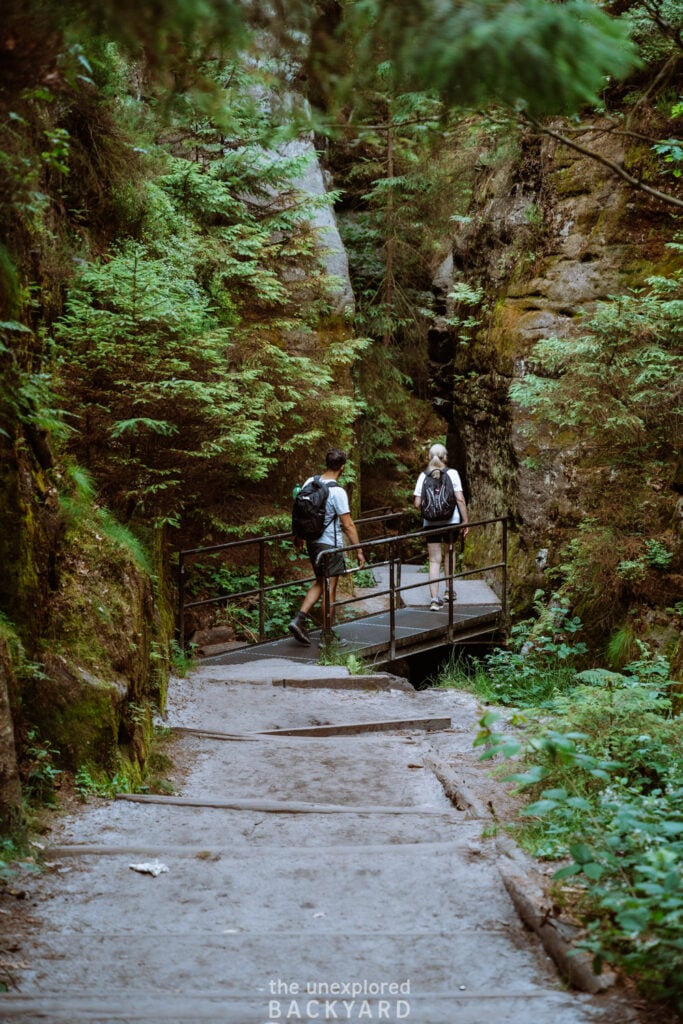
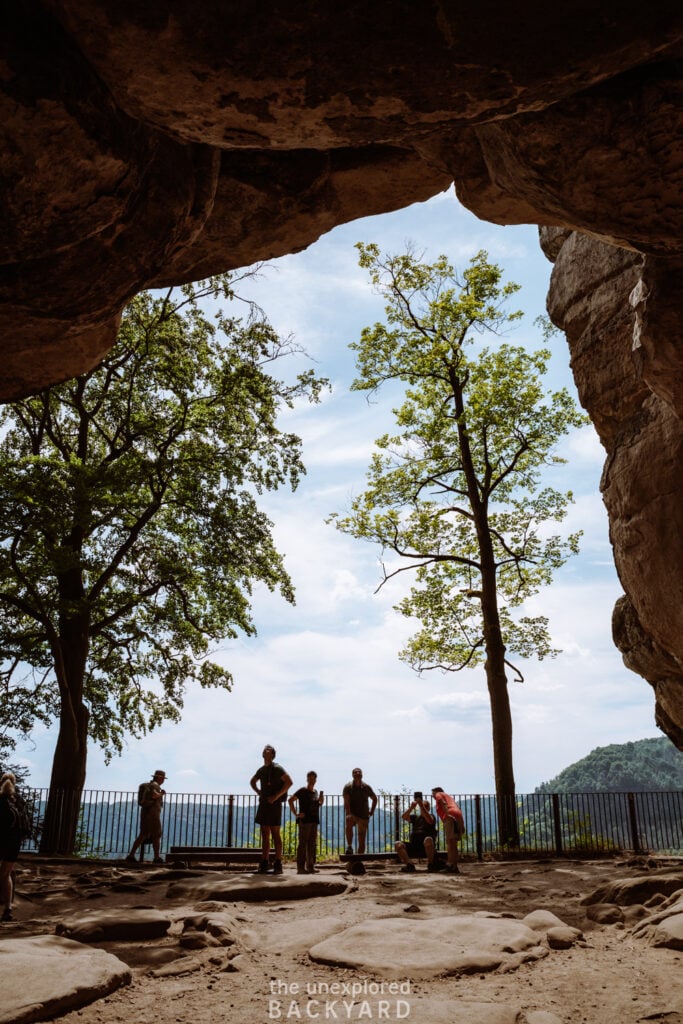
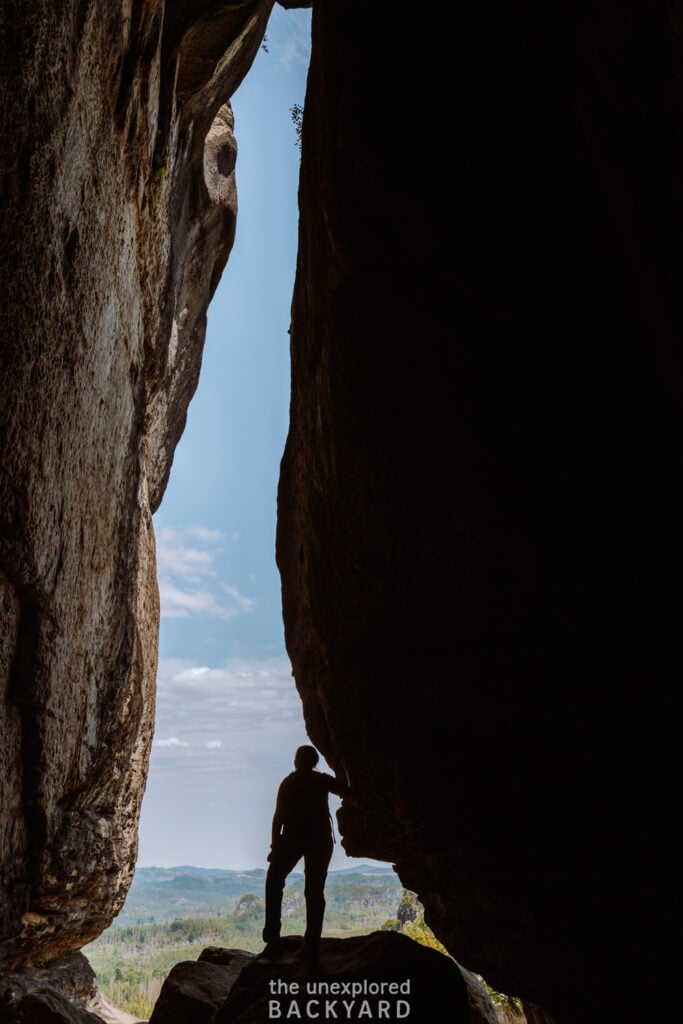
One of my favorite places in East Germany is Saxon Switzerland National Park! Located after Dresden, by the border with Czech Republic, this is a slightly further day trip. It takes roughly 3 hours to get here by car from Berlin. While I would personally recommend a weekend trip here to make the most of the region, a day trip is also possible if you’re short on time. In general, the nature here is absolutely stunning, so I still think it’s worth taking a day trip here if you can.
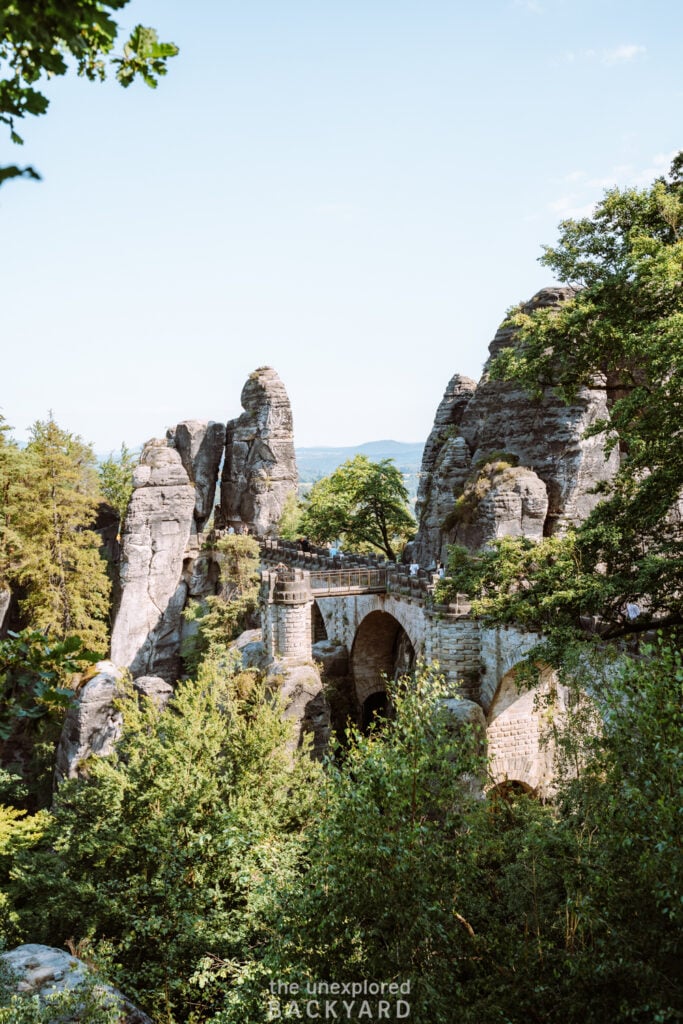
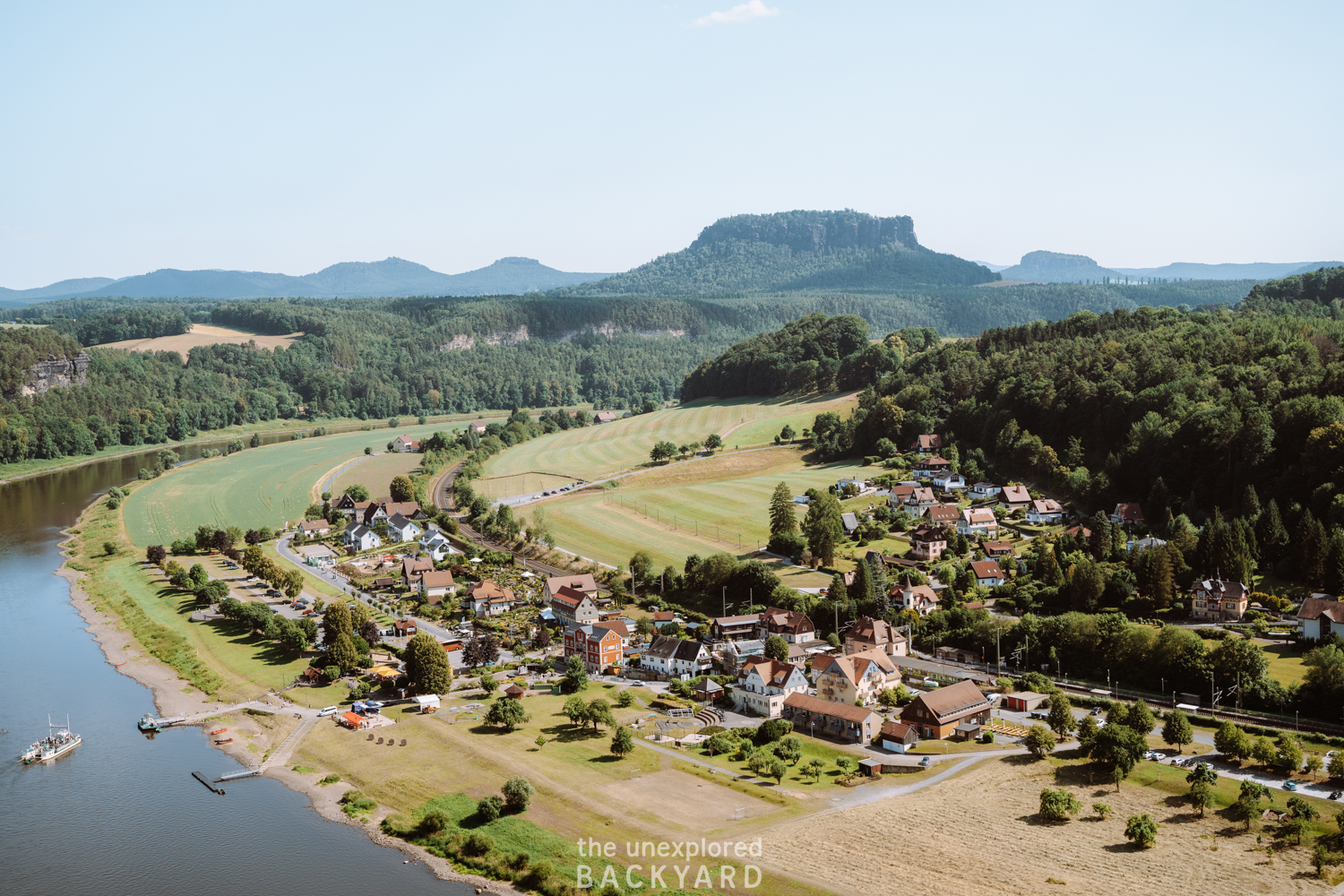
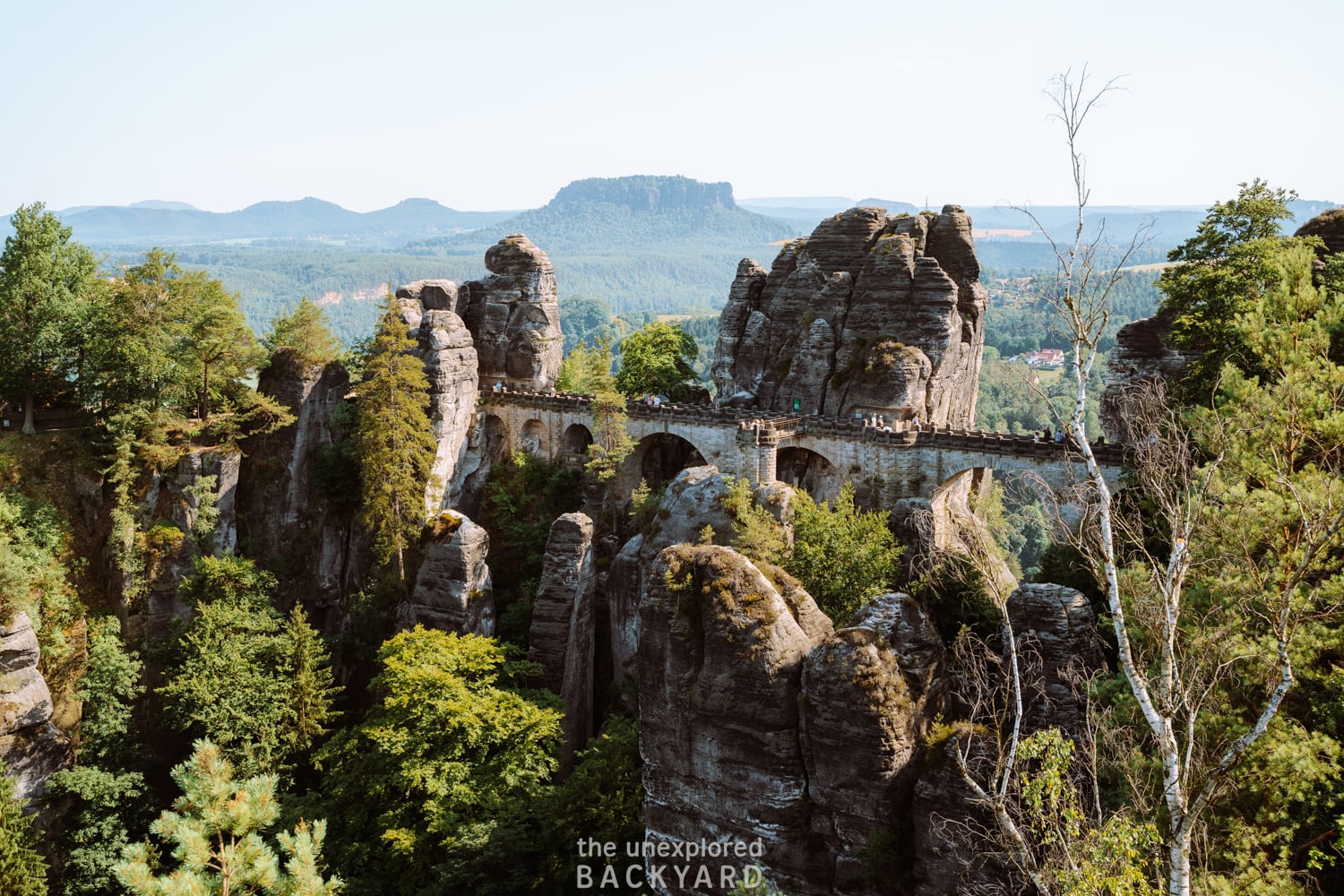
If you decide to spend a weekend in Dresden, then it can also be a great place to combine with a trip to Saxon Switzerland National Park, as it’s only an hour away! If you only have time for one day here, then I would recommend visiting the most famous sight here, called Basteibrücke (Bastei Bridge in English). It’s popular for a reason, so don’t expect to be up here alone. That being said, the famous rock formation is truly breathtaking. You also get stunning views over the Elbe River from here! Lastly, while here, don’t forget to explore Schwedenlöcher as well. You can find more information on how to hike up here in my guide below!
Read More:
How to hike to Bastei Bridge (Basteibrücke)
Ultimate weekend guide to Saxon Switzerland National Park
How to get to Saxon Switzerland National Park
By Public Transport:
Directly to Bastei Bridge:
It’s quite easy to get to Bastei Bridge by public transportation. I will provide the exact directions to arrive from Dresden since that is the closest city to the Saxon Switzerland National Park. Dresden is well connected with the rest of Germany, so you can easily get to Dresden by train or flixbus. From Dresden, you want to get to Pirna. Take either S1 (towards Bad Schandau) or S2 (towards Pirna) from Dresden Central Station. The journey is just 22 minutes long, and then you will get off at the stop called Pirna. The trains go every roughly 15 minutes, so there is no rush to make a specific train.
At Pirna, you want to transfer and exit the station. Right outside the train station, you will find the Pirna ZOB (Central Bus Station). Then from Pirna ZOB you want to take bus number 237 towards Sebnitz Busbahnhof. After around 25 minutes you will get off at the stop called “Bastei” and from there, it’s just a quick 10-minute walk to the famous Bastei Bridge. The bus schedule appears to change seasonally so you can find the updated timetable here.
Arriving at Rathen:
To reach Rathen you will take a similar route as above. From Dresden take the S1 train line towards Bad Schandau and get off at the stop called Kurort Rathen. It will take you roughly 33 minutes to get here and then you will need to take the F7 ferry across the Elbe. This is just a quick 2-3 minute ride and the ferry runs every 10 minutes. From the ferry stop in Rathen, you can start your hike up to Bastei Bridge.
By Car:
Directly to Bastei Bridge:
If you simply want to get to Bastei Bridge without completing a hike to arrive, then you can drive all the way up and park around 700 meters from the iconic landmark. The parking lot is called “Parkplatz Bastei” and it will cost around 7 euros to park here for 4 hours. Since this is the only parking lot by the bridge, keep in mind that it fills up quickly in peak times.
Parking at Rathen:
If you would like to hike the shorter route from Rathen then I recommend parking at the “Parkplatz Oberrathen“. This parking lot is located across the town of Rathen on the other side of the Elbe River. Since there aren’t any official parking lots in Rathen, it is best to park here instead. Parking should cost around 1.50€ per hour or 7€ for a whole day, although prices are of course subject to change.
There is a public restroom at this parking lot which is also convenient after a long drive. To reach the starting point of the hike you will need to take the F7 ferry across the river. This takes just 2-3 minutes and the ferry runs every 10 minutes, making it very convenient to park here.
Book your rental with Sunny Cars here!
By Guided Tour:
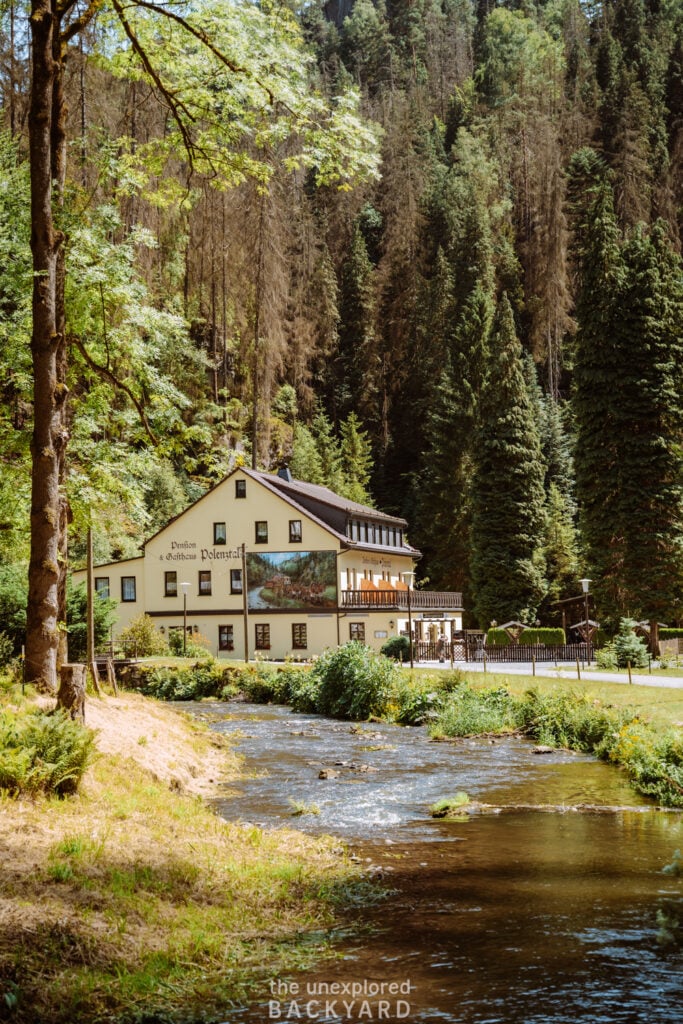
If you would like to join a guided tour to Saxon Switzerland National Park, then this is possible from Dresden! Below are some of the best guided day trip options. They all offer slightly different itinerary so I highly recommend checking them out before choosing the tour that you prefer. Also, many of these tours make a few stops in the Czech side called Bohemian Switzerland, which is gorgeous as well.
11. Hamburg
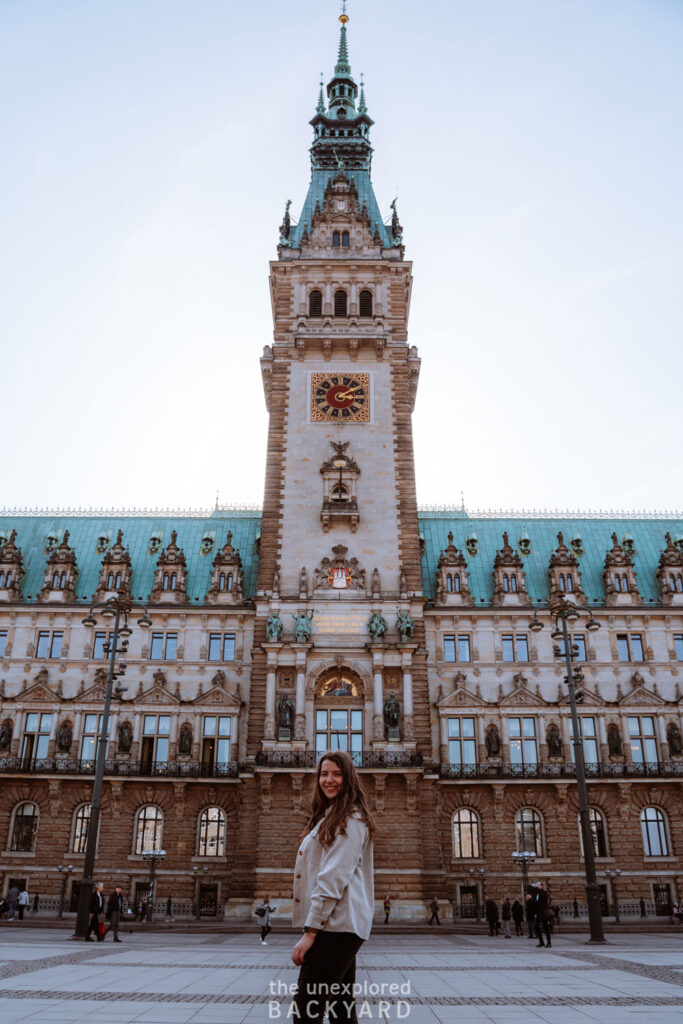
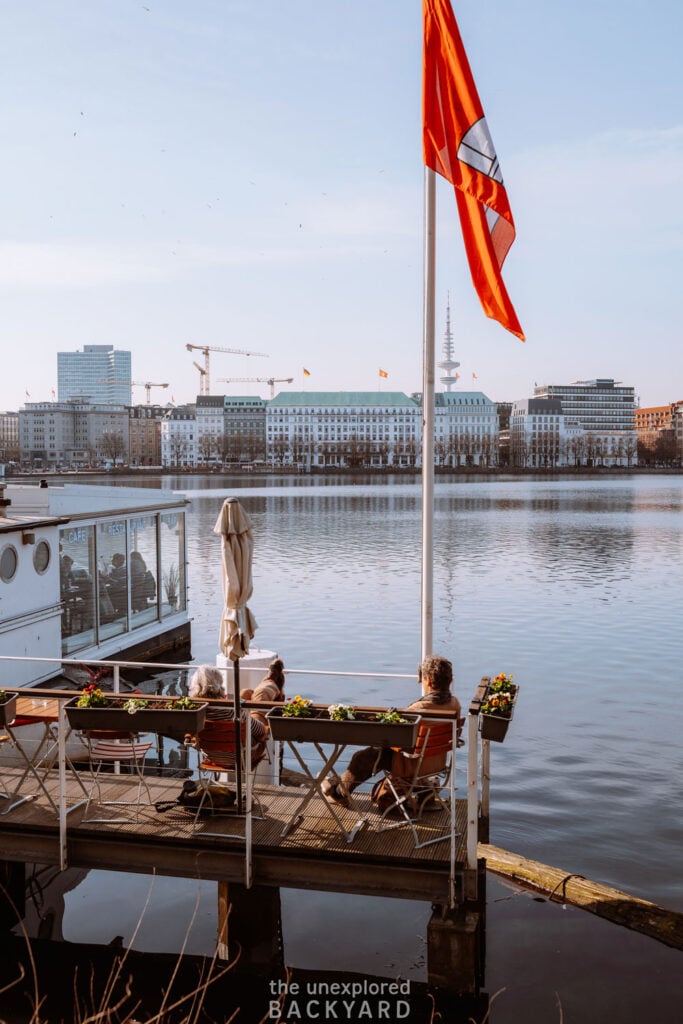
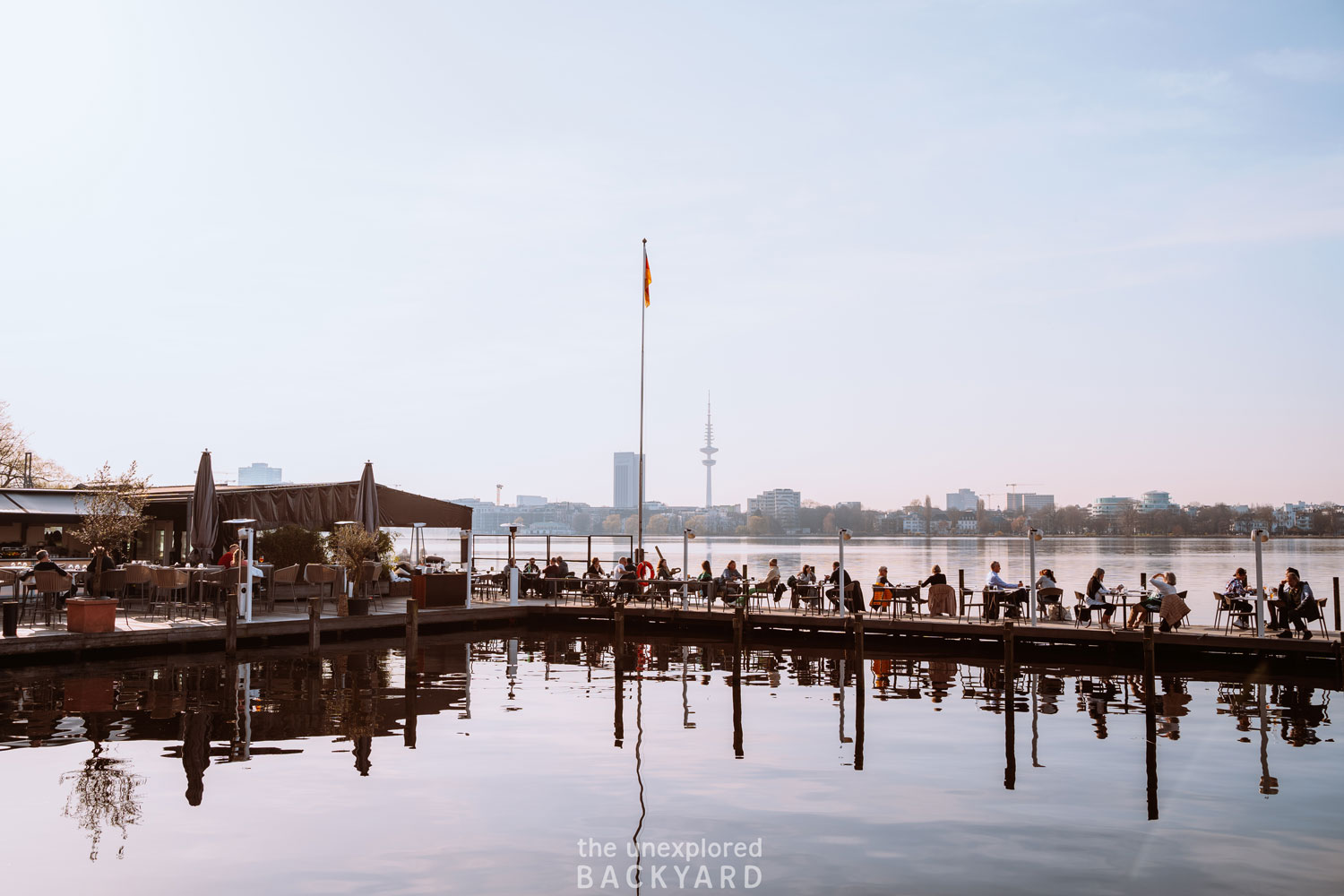
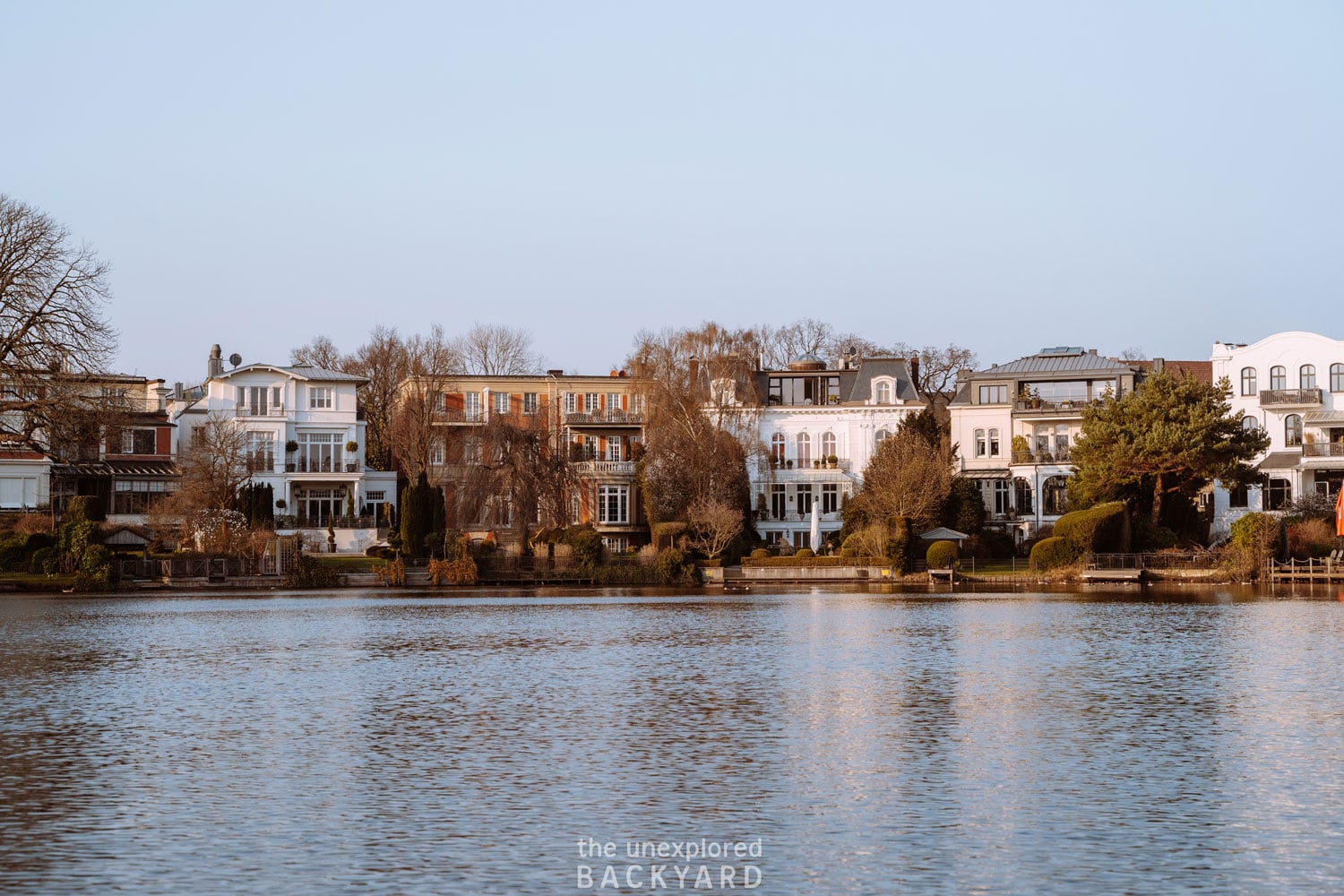
Hamburg is the second largest city in Germany, and is an absolute must-see city! Once again, Hamburg is considered a bit of a farther destination for a day trip, as it takes 2-3 hours to get there. However, I wanted to include a couple of the farther destinations in this list for those who would like to visit and don’t have time for a weekend trip. Hamburg actually reminds me a lot of Berlin, as it has the same mix of neighborhoods, from posh ones to the more artsy ones. That being said, I like to say that Hamburg is the prettier version of Berlin. While it was also heavily hit in World War II, the rebuild prioritized its 19th-century maritime grandeur. In addition, the Binnenalster and Außenalster lakes in the city center add a lot of beauty to the city.
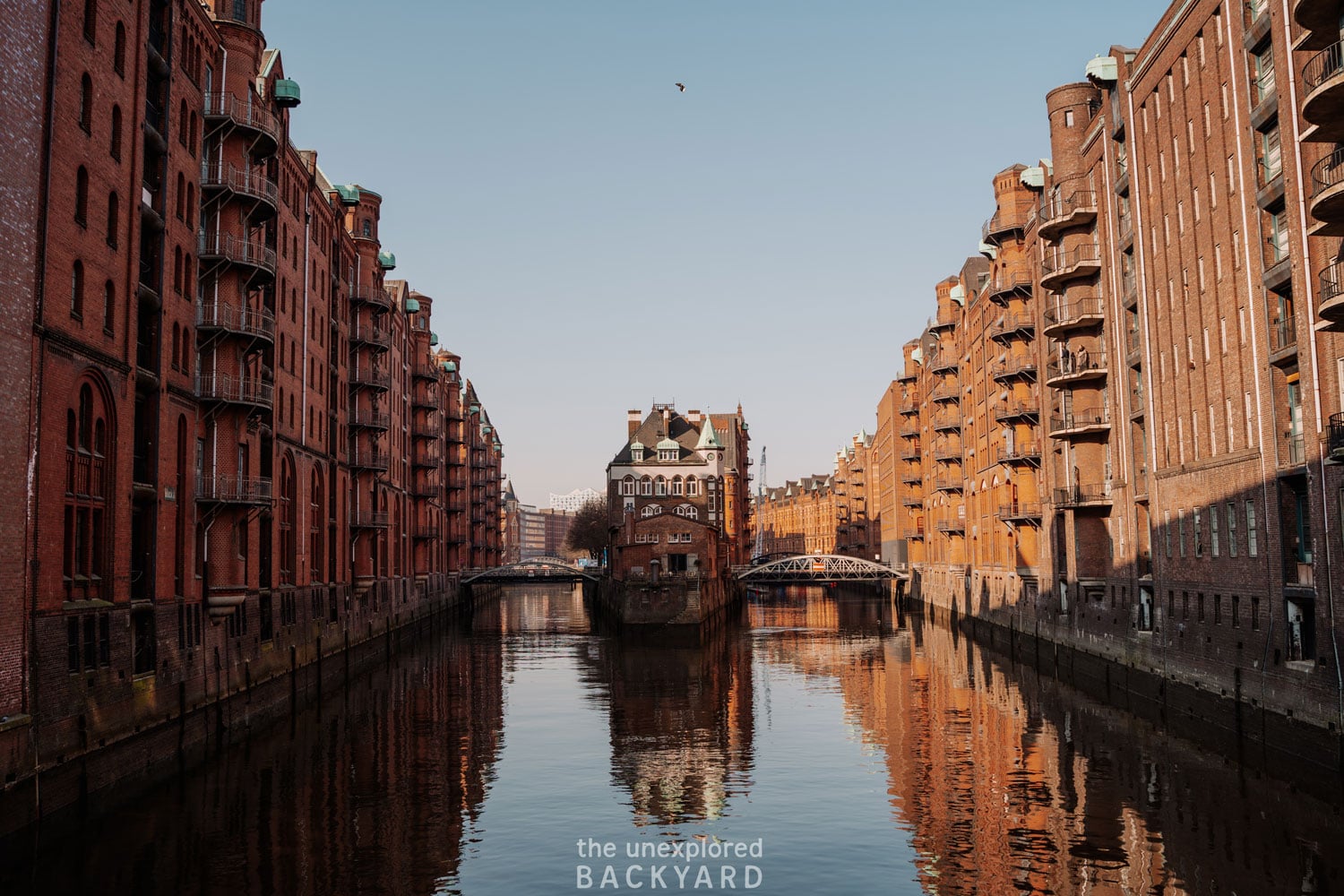
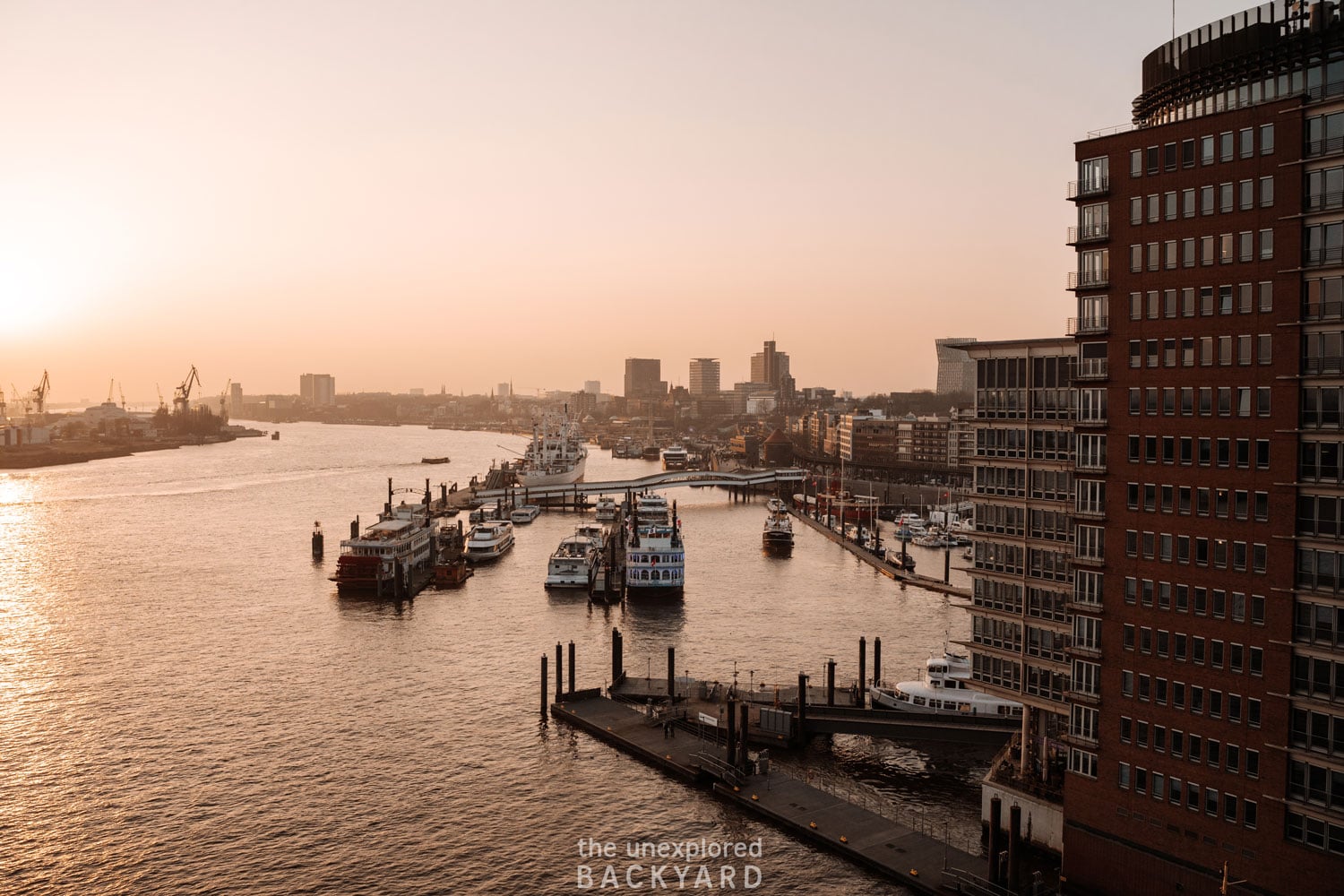
While there are lots of things to do in Hamburg, here is a quick overview of my favorite activities. Speicherstadt is probably the most well-known area in Hamburg, and for good reason, as it is also a UNESCO heritage site. While in the area, make sure to walk along the Jan Fedder Promenade and visit the Elbphilharmonie. In the city center, the area of Jungfernstieg is beautiful to explore. Then take a long walk along Alster Lake and stop for a drink at Monkey Bar. For more tips and things to do in Hamburg, check out my guides below!
Read More:
Ultimate Hamburg weekend itinerary
How to get to Hamburg
By Public Transport:
By Train:
If you are seeking a relaxed and efficient journey, the train presents an excellent option. From Berlin Hauptbahnhof, catch one of the frequent trains bound for Hamburg Hauptbahnhof. Look out for trains such as the ICE (InterCity Express) or IC (InterCity) for a swift ride. The most frequent trains running include the ICE508, ICE1004, and ICE708. You should expect ticket prices to cost anywhere between 50 – 100 euros each way per person depending on how far in advance you order them.
The journey typically takes around 1 hour and 30 minutes to 2 hours, depending on the train type. Sit back, relax, and enjoy the smooth ride as you glide through the picturesque German countryside, arriving in Hamburg refreshed and ready to explore.
By Bus:
As you read above, train tickets for the high-speed trains can be pretty expensive in Germany. If you are looking to get to Hamburg on a budget, then I highly recommend catching the FlixBus! Prices are much cheaper and start at around 25 euros per person. The journey will last a little longer; anywhere between 3-4 hours based on the time and route that you choose. The journey won’t be the most comfortable but the FlixBus does the job well and it’s a great way to save some money.
By Car:
Embarking on a road trip from Berlin to Hamburg offers the freedom to explore at your own pace. Begin your journey by hitting the A24 highway, heading northwest towards Hamburg. As you traverse approximately 280 kilometers (about 174 miles) of scenic landscapes, you’ll have the flexibility to stop and discover charming towns along the way. Simply follow the signs for Hamburg, and before you know it, you’ll arrive at your destination. You should expect the drive to last around 2 hours and 45 minutes but it will heavily depend on the traffic.
When it comes to parking in Hamburg, many parking lots are quite narrow or have had issues with break-ins. While it will be expensive to park anywhere in the city center, if you are looking for a well-located parking lot with lots of space, then I recommend CONTIPARK Tiefgarage Europa Passage.
12. Harz Mountains
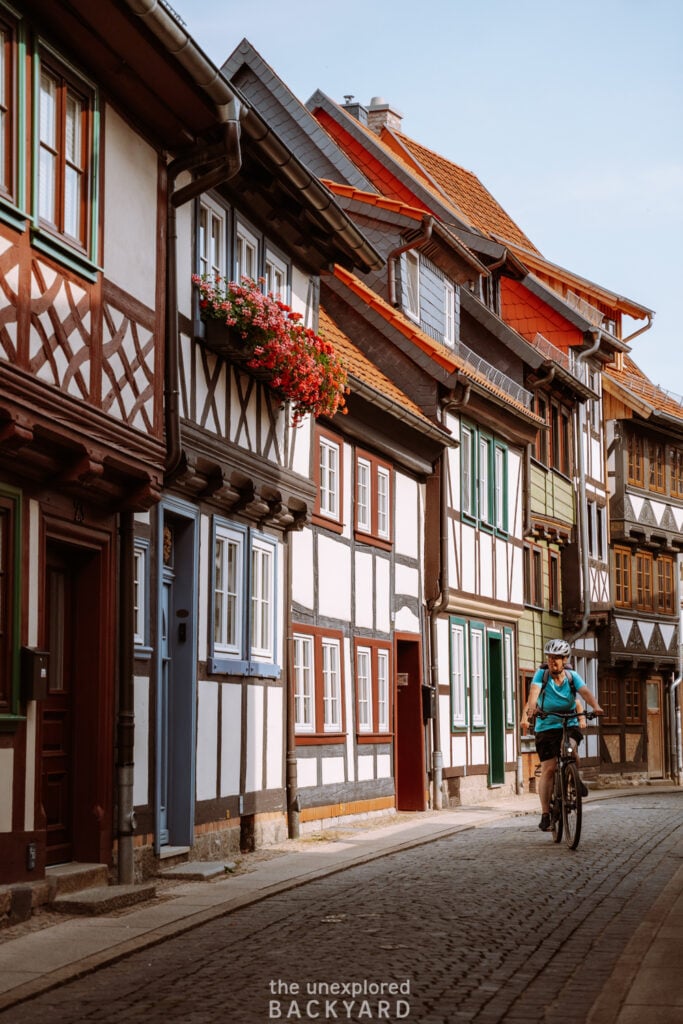
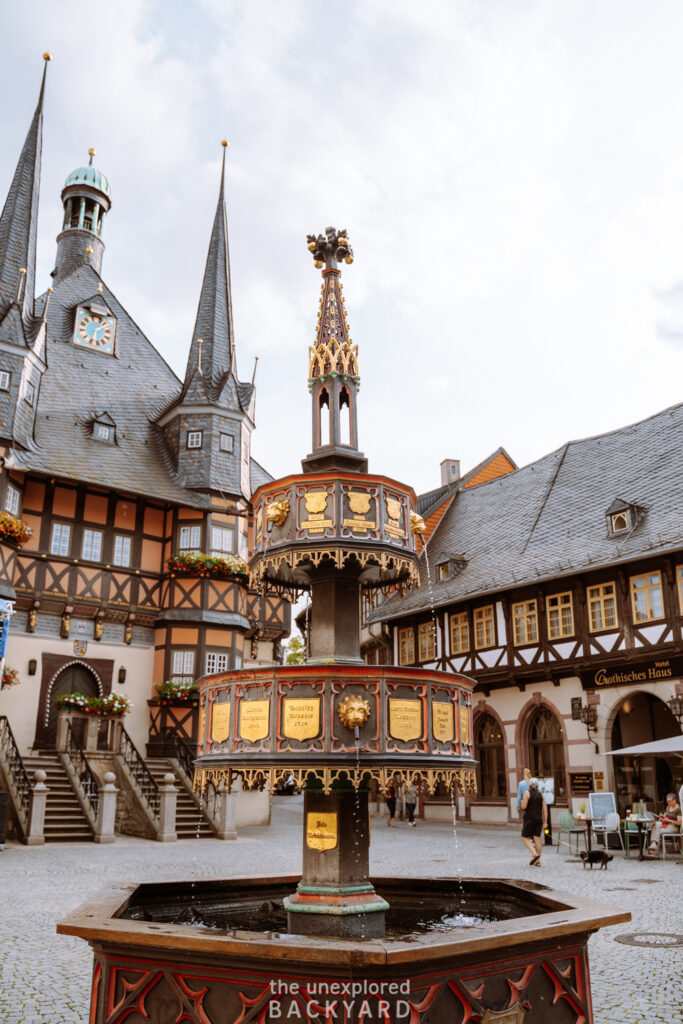
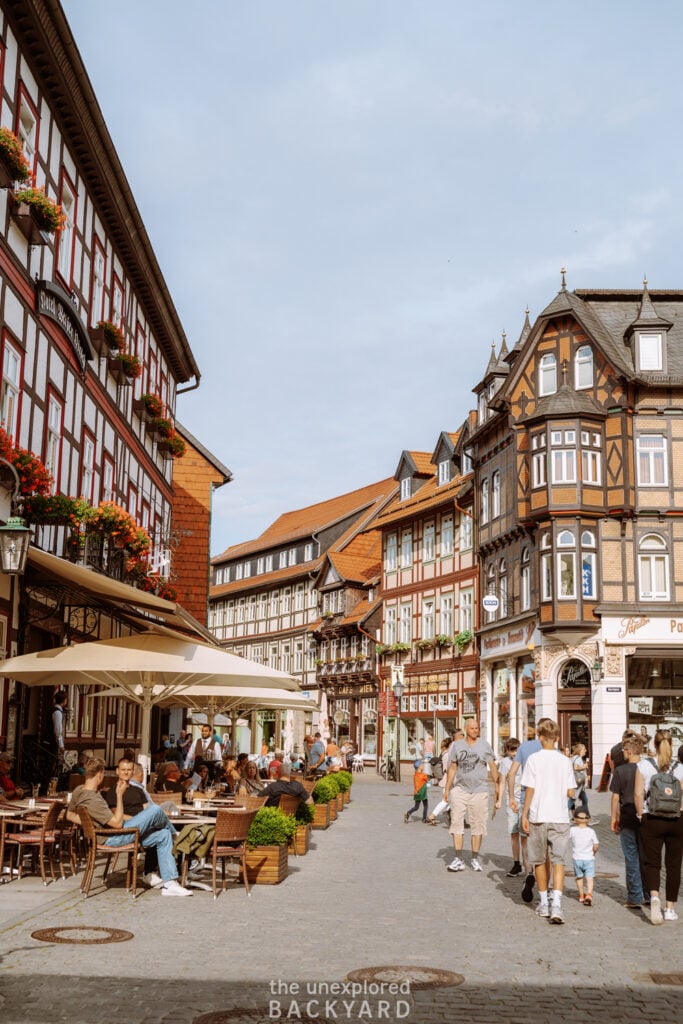
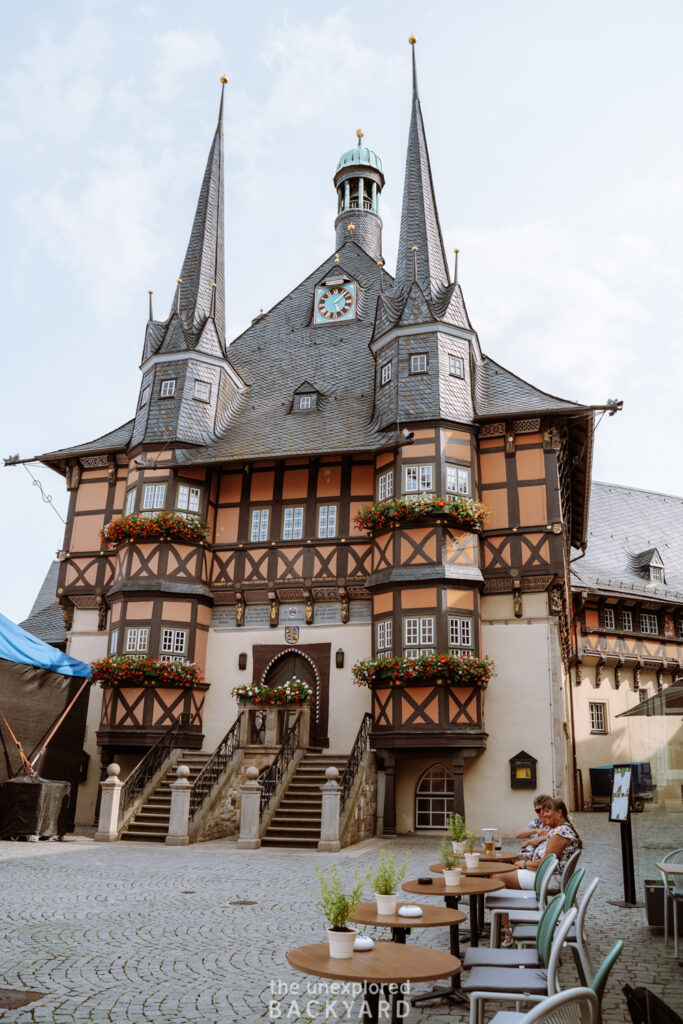
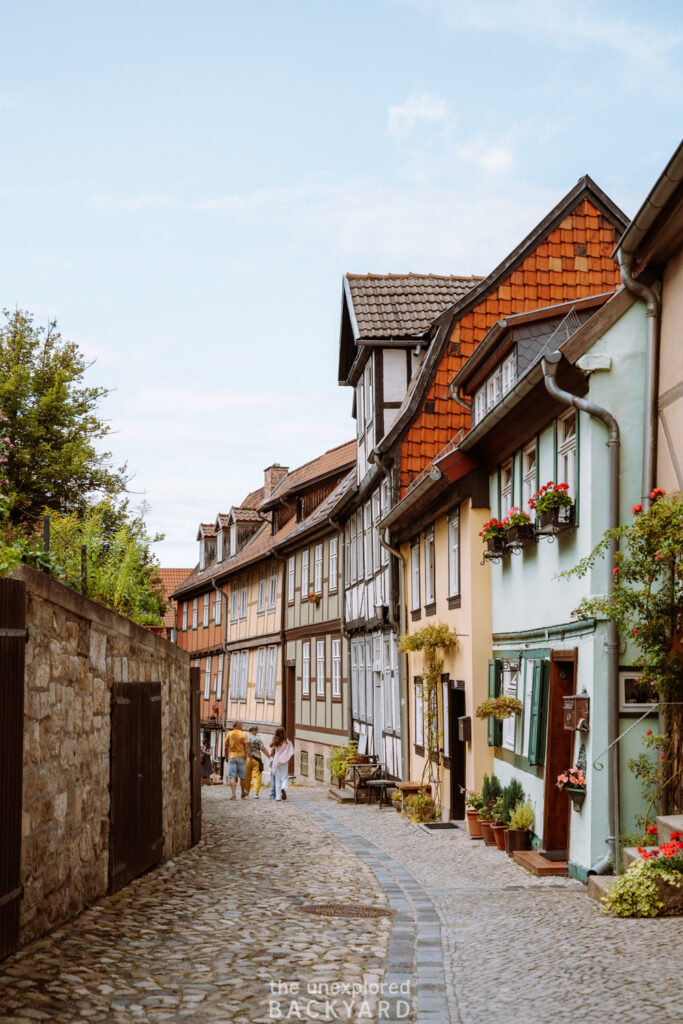
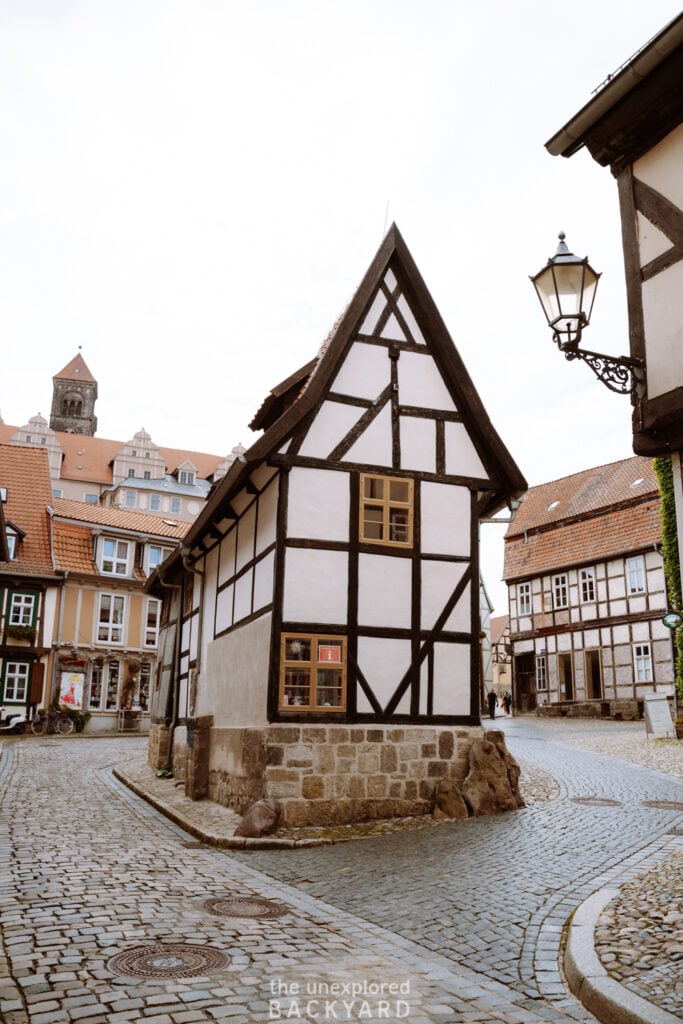
The Harz Mountains are a fairly large region in the center of Berlin, that make for an amazing area to explore. While it’s fairly big, you can actually visit some spots as a day trip from Berlin, as they are just 2-3 hours away from Berlin. Although it’s a bit far, I think it’s so worth visiting the Harz Mountains for either a day trip or a weekend trip. Not only are there lots of nature areas to explore, but the towns here are so picturesque! Half-timbered houses are more common in Bavaria and West Germany. These are areas that can be a bit hard to include in an itinerary focused on Berlin, but you can find them in the villages in the Harz!
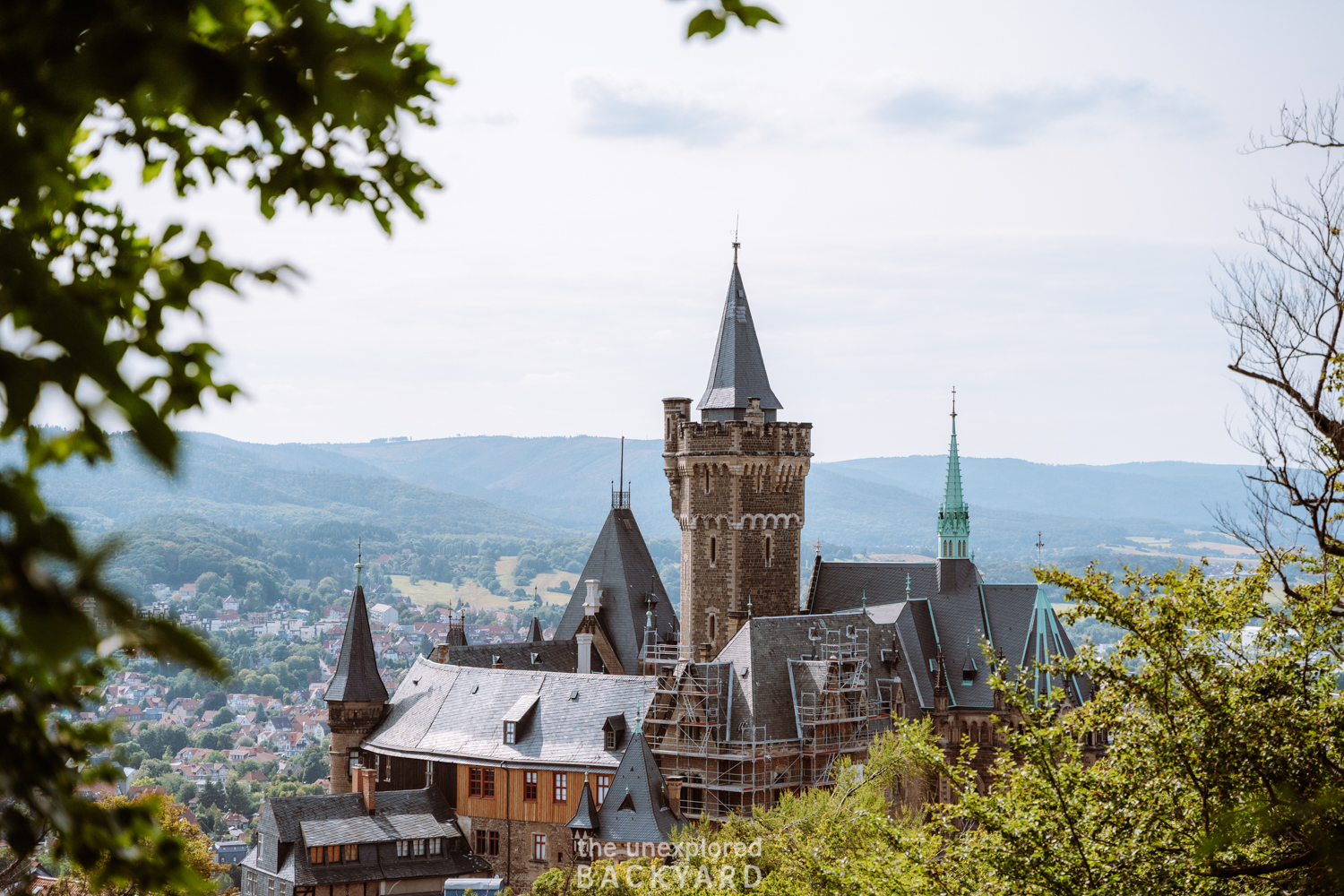
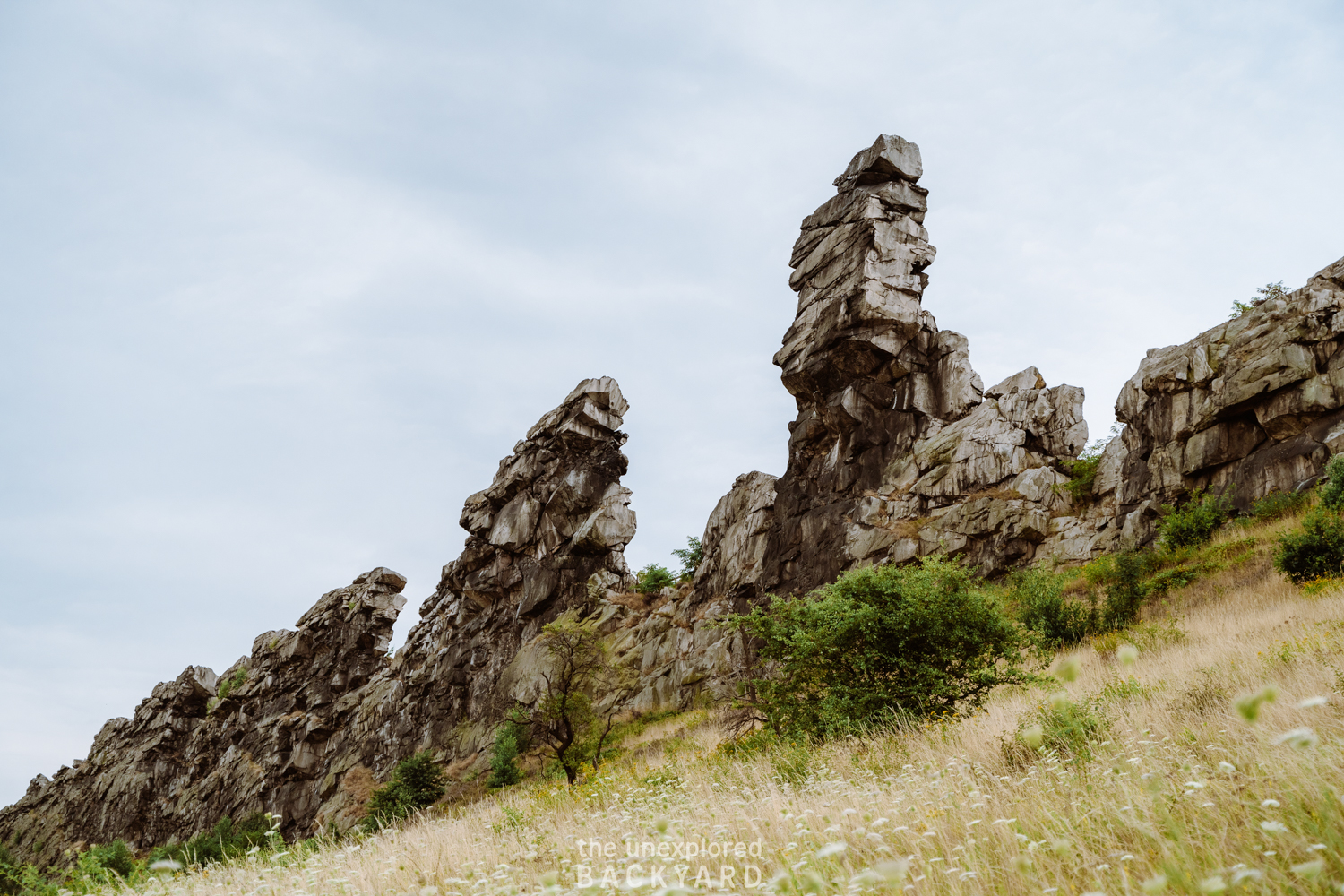
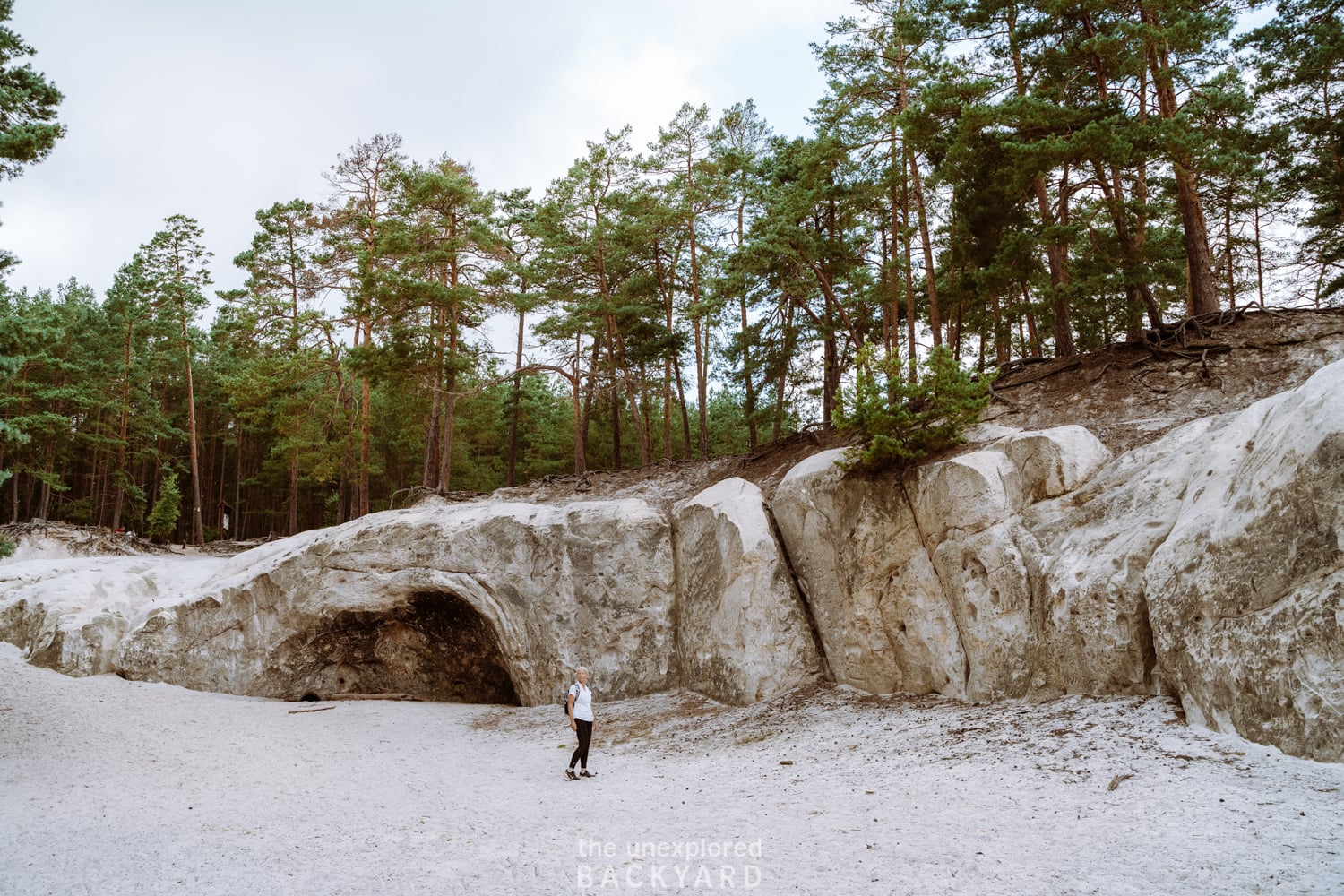
If you would like to plan a day trip to the Harz Mountains from Berlin, then there are 3 places that I would recommend that you consider. The first stop is Wernigerode, one of the most iconic villages in the area. The village is filled with stunning architecture, and you can even walk to Schloss Wernigerode (and viewpoints of the castle). The second stop I recommend is choosing between Teufelsmauer, an impressive rock formation, or the Sandhöhen (Sandstone Caves) in Blankenburg. These are both really cool nature phenomena that are worth checking out. Lastly, stop at Quedlinburg, another super charming village, to end your visit!
How to get to the Harz Mountains
By Public Transport:
If you would like to visit the Harz Mountains for a day trip from Berlin, then I highly recommend focusing your day on Wernigerode. This is because public transport around this region isn’t the best, and visiting several spots won’t be feasible in a day. Personally, I would say that Wernigerode is also the village with the most attractions, so it’s still totally worth a day trip on its own! There are several ways to get here, but the most direct route takes 2 hours and 45 minutes each way. From Berlin Central Station, take the high-speed train ICE 1007 towards München. After just over an hour, get off at Halle (Saale) Central Station, and take the bus RE4 towards Goslar. Ride the bus for an hour and a half, getting off at Wernigerode Hbf.
Since the bus continues all the way to Goslar, you can always choose to continue to Goslar to explore this village as well. If you are only visiting for a day, I would recommend skipping Goslar, as I think Wernigerode is way prettier!
By Car:
If you are exploring the Harz Mountains by car, then you can choose to visit all or some of the spots that I mentioned above. To make your planning easier, I’ll provide parking tips for all four spots that I mentioned. These are all around 20 minutes’ drive from each other (max), making it super easy to combine.
Wernigerode:
For Wernigerode, I recommend parking at Zentraler Parkplatz Marktstraße. This parking lot is conveniently located within walking distance of everything, and usually has lots of space! Parking here costs €2 per hour, and make sure to carry cash as the machine may not accept cards.
Teufelsmauer:
If you decide to visit Teufelsmauer, then I recommend parking here. This is a convenient location as the short hike up to the rock formations starts from here. Note that this is a paid parking lot (it seems like some people are confused about that) and parking costs around €5 for 3 hours.
Book your rental with Sunny Cars here!
Blankenburg:
If you want to visit the Sandcaves in Blankenburg, then you can park here. From here, you can first walk 10 minutes to the Blankenburg Fortress Ruins. It costs 4 euros to enter, but it’s quite an impressive place to explore, so I think it’s worth it if you are anyways in the area! Then, from here, continue your walk for another 15-20 minutes to get to the sandcaves. You will find signs guiding you to them, so it’s quite easy to find.
Quedlinburg:
Lastly, for Quedlinburg, I would recommend parking here. The parking lot is quite big, so it’s fairly easy to get a parking spot, and parking costs €2 per hour. Note that this is also a campervan-friendly parking lot, but there should still be plenty of parking for cars. From here, it’s possible to walk to the village center in just 10 minutes.
That concludes my guide to the 12 best day trips from Berlin! Overall, I have tried to include all of my top tips in this list as someone who lived in Berlin for 7 months. In addition, I tried to include a mix of closer and further day trip options, as well as a good mix of cities, nature, and cute villages. Hopefully, that means that there is a day trip for everyone here, and I really hope you decide to take at least (!) one day trip from Berlin during your trip. While I absolutely love Berlin and all that it has to offer, I think some of the best spots in East Germany can be found outside of the city. For the ultimate guide for a week in Berlin, check out my guide here.